
Home/Wellness Zone/Sakra Blogs

20th Aug, 2026
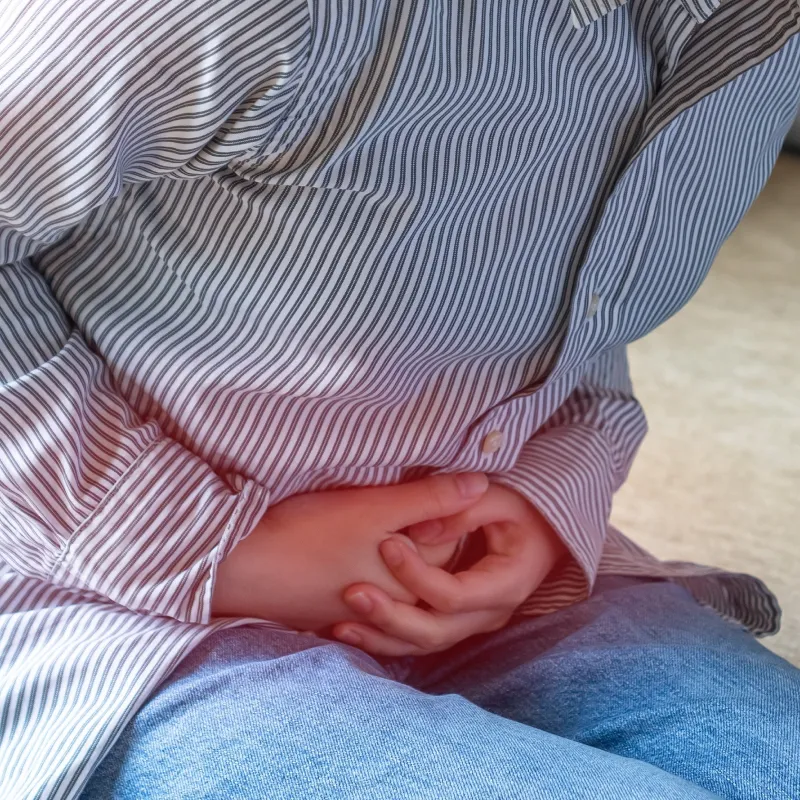
Gallstones, medically known as cholelithiasis, are hardened deposits that form inside the gallbladder. They can range in size from tiny grains to larger stones and may occur as a single stone or multiple stones. Many people with gallstones do not experience symptoms, while others may develop significant pain and digestive discomfort when a stone blocks the normal flow of bile.
Understanding gallbladder stone symptoms, causes and available treatment options can help with timely diagnosis and appropriate care.
The gallbladder is a small, pear-shaped organ located beneath the liver. It stores and concentrates bile, a digestive fluid produced by the liver that helps the body digest fats.
Gallstones develop when substances in bile, such as cholesterol or bilirubin, become imbalanced and form solid particles. The two main types of gallstones are:
Cholesterol stones: These are the most common type and mainly contain hardened cholesterol.
Pigment stones: These contain higher amounts of bilirubin and are more likely to develop in people with certain liver or blood-related conditions.
Gallstones may remain in the gallbladder without causing any problems. However, if a stone blocks the bile ducts, it can cause pain and complications.
Many people have gallstones without experiencing any symptoms. These are sometimes called silent gallstones and may be discovered incidentally during an ultrasound or other imaging test.
When gallstones cause symptoms, common gallstones symptoms include:
Sudden or persistent pain in the upper right or upper middle part of the abdomen
Pain that may spread to the back or right shoulder
Abdominal pain after eating, particularly after a fatty or heavy meal
Nausea or vomiting
Bloating and indigestion
Feeling unusually full after meals
Gallstone pain, often called biliary colic, can last from several minutes to a few hours.
Some symptoms may indicate a blocked bile duct or another complication and require prompt medical evaluation. Seek medical care if you experience:
Severe or persistent abdominal pain
Fever or chills
Yellowing of the skin or eyes
Dark urine or unusually pale stools
Repeated vomiting
Significant abdominal tenderness
These symptoms can occur with complications such as acute cholecystitis, bile duct obstruction or pancreatitis.
The exact gallbladder stone reason can vary from person to person. Gallstones usually develop when there is an imbalance in the substances that make up bile.
Common factors that can increase the risk include:
Excess cholesterol in bile: Too much cholesterol can crystallise and form stones.
Excess bilirubin: Certain liver diseases, infections and blood disorders can increase bilirubin levels.
Poor gallbladder emptying: If the gallbladder does not empty properly, bile can become concentrated and contribute to stone formation.
Being overweight or having obesity: Higher body weight can increase the risk of cholesterol gallstones.
Rapid weight loss: Losing weight very quickly can increase cholesterol release into bile.
Pregnancy: Hormonal changes during pregnancy can affect gallbladder movement and increase the risk of gallstones.
Age: The likelihood of developing gallstones increases with age.
Family history: Having close family members with gallstones may increase the risk.
Certain medical conditions: Some liver and blood disorders can increase the risk of pigment stones.
Having one or more risk factors does not necessarily mean that a person will develop gallstones.
A doctor may begin by asking about symptoms, medical history and risk factors before performing a physical examination.
Common tests used to diagnose gallstones include:
Abdominal ultrasound: Usually the first imaging test used to look for gallstones and assess the gallbladder.
Blood tests: These can help identify signs of inflammation, infection or problems affecting the liver and bile ducts.
MRCP: Magnetic resonance cholangiopancreatography can provide detailed images of the bile ducts when a duct stone is suspected.
CT scan: May help identify complications or other causes of abdominal pain.
HIDA scan: A hepatobiliary scan may be recommended to evaluate gallbladder function or suspected inflammation when the diagnosis is unclear.
The choice of test depends on the symptoms and the suspected complication.
The appropriate gallbladder stones treatment depends on whether the stones are causing symptoms or complications.
No Treatment for Silent Gallstones
If gallstones are found incidentally and are not causing symptoms, treatment may not be necessary in many cases. A doctor may recommend observation and advise the person to seek medical attention if symptoms develop.
Medicines
In selected cases, medicines may be used to dissolve certain cholesterol gallstones. However, this approach is not suitable for everyone, may take a long time and gallstones can return after treatment.
Laparoscopic Cholecystectomy
For people with symptomatic or complicated gallstones, laparoscopic cholecystectomy is a commonly performed treatment. During this minimally invasive procedure, the gallbladder is removed through small abdominal incisions.
Removing the gallbladder prevents the gallstones inside it from causing further attacks. Most people can live normally without a gallbladder because bile can continue to flow directly from the liver into the small intestine.
Open Gallbladder Surgery
In some situations, an open cholecystectomy may be recommended instead of laparoscopic surgery. This involves a larger abdominal incision and may be considered when there are complications, significant inflammation or other surgical factors.
ERCP for Bile Duct Stones
If a gallstone has moved into the common bile duct, endoscopic retrograde cholangiopancreatography (ERCP) may be used to locate and remove the stone. Gallbladder removal may subsequently be recommended to reduce the risk of further problems.
Not every case of gallstones can be prevented, particularly when factors such as age, genetics or certain medical conditions are involved. However, maintaining healthy lifestyle habits may help reduce the risk.
Maintain a healthy body weight.
Avoid crash diets and very rapid weight loss.
Follow a balanced diet rich in fibre.
Include healthy sources of fats while limiting excessive saturated and trans fats.
Stay physically active.
Manage conditions such as diabetes and high cholesterol with appropriate medical guidance.
Gallstones, or cholelithiasis, are common and may remain completely symptom-free. When a stone blocks the gallbladder or bile ducts, it can cause characteristic abdominal pain, nausea and other gallbladder stone symptoms. Severe pain, fever, jaundice or persistent vomiting should not be ignored because they may indicate a complication.
Treatment depends on the location of the stones, the presence of symptoms and whether complications have developed. While silent gallstones may only require observation, symptomatic or complicated gallstones are often treated with gallbladder removal, with ERCP used when stones are present in the bile duct. A healthcare professional can recommend the most appropriate approach based on individual symptoms and test results.
1. What are the most common gallbladder stone symptoms?
Common symptoms include sudden pain in the upper right or upper middle abdomen, nausea, vomiting, bloating and discomfort after eating, especially after fatty meals.
2. What is the main gallbladder stone reason?
Gallstones can form when bile contains too much cholesterol or bilirubin, or when the gallbladder does not empty properly. Factors such as obesity, rapid weight loss, pregnancy, age and family history can increase the risk.
3. Can gallstones go away on their own?
Gallstones generally do not disappear on their own. Some cholesterol stones may be dissolved with specific medicines in selected patients, but symptomatic gallstones often require treatment.
4. Is surgery necessary for gallstones?
Not always. Silent gallstones may not require treatment, but surgery is commonly recommended when gallstones repeatedly cause symptoms or lead to complications.
5. Can I live normally without a gallbladder?
Yes. Most people can live normally without a gallbladder. After gallbladder removal, bile continues to be produced by the liver and flows directly into the small intestine.
Diet can play an
20 Aug 2026
Gallstones, medically known
20 Aug 2026
Liver transplant surgery is an
2 Jun 2025
A liver transplant is often
21 May 2025
Undergoing a liver transplant is
21 May 2025
Gastrointestinal (GI) Disorders Gastrointestinal (GI)
24 Apr 2025
Robotic Whipple's surgery, or
8 Aug 2024
Robotic liver surgery represents a
8 Aug 2024

As a team specializing in
12 Mar 2024

GI cancer stands for gastrointestinal
24 May 2023
Fatty liver, also known as
27 Apr 2023

Treatment for swallowing disorders caused
13 Mar 2023
Liver transplantation is recommended for
6 Mar 2023

What is an Inguinal Hernia? A
6 Apr 2021
With Covid-19 outbreak, we are
27 Jul 2020
Ever since the outbreak of
28 May 2020

The increased economic growth has
22 Nov 2019
1. What is Acute Pancreatitis? Acute
26 Jun 2017
Pancreas is the organ which
2 Sep 2016
Enquire Now