Home/Wellness Zone/Sakra Blogs

12th Aug, 2026

Bloating refers to a feeling of fullness, pressure or swelling in the abdomen. It is a common digestive symptom that may occur after eating, due to gas buildup, constipation, food intolerance or other digestive conditions.
Bloating may be occasional or persistent and can sometimes occur along with abdominal discomfort, belching or changes in bowel movements. Understanding the symptoms and possible causes can help in identifying when medical evaluation is needed.
Bloating is a sensation of fullness or tightness in the abdomen, sometimes accompanied by visible abdominal swelling.
It may develop when excess gas builds up in the digestive tract or when digestion and movement of food through the intestines are affected. Bloating can occur after meals or may persist throughout the day depending on the underlying cause.
Bloating can vary depending on its cause, duration and associated symptoms.
Gas-related bloating: Occurs when excess gas builds up in the digestive tract, often due to swallowing air, certain foods or changes in gut bacteria.
Food-related bloating: May develop after eating foods that are difficult to digest or due to food intolerance or sensitivity.
Constipation-related bloating: Occurs when stool remains in the intestine for longer periods, leading to abdominal fullness, pressure and discomfort.
Menstrual bloating: Some women experience abdominal bloating around their menstrual period due to hormonal changes and fluid retention.
Chronic bloating: Persistent or recurrent bloating that may be associated with digestive disorders such as irritable bowel syndrome or other underlying conditions.
Symptoms may vary depending on the cause and severity of bloating.
Common symptoms include:
Abdominal fullness: A feeling of being unusually full or heavy in the abdomen, even after eating a small amount of food.
Abdominal swelling: The stomach or abdomen may appear larger than usual due to gas, fluid or digestive contents.
Gas and flatulence: Increased passing of gas may occur when excess gas accumulates in the digestive tract.
Belching: Frequent burping may occur due to swallowed air or increased gas in the upper digestive tract.
Abdominal discomfort: Bloating may cause pressure, tightness, cramping or mild pain in the abdomen.
Feeling full quickly: A person may feel satisfied after eating only a small amount of food.
Changes in bowel movements: Bloating may occur along with constipation, diarrhoea or irregular bowel movements.
These symptoms may occur alone or together and can vary from person to person.
Signs of bloating are changes that may be noticed during or after eating.
Common signs include:
Visible abdominal distension: The abdomen may look swollen or feel tighter than usual.
Tightness in the abdomen: Clothes may feel tighter around the waist due to increased abdominal pressure or swelling.
Increased gas: Passing gas more frequently than usual may occur with bloating.
Frequent burping: Repeated burping may indicate increased air or gas in the digestive system.
Abdominal rumbling: Gurgling or rumbling sounds may become more noticeable during episodes of bloating.
Changes after meals: Bloating may become more noticeable after consuming large meals or certain foods.
Recognizing these signs can help identify patterns and possible triggers.
There are several possible reasons for bloating, ranging from dietary habits to digestive disorders.
Common reasons include:
Excess gas: Gas can build up in the digestive tract due to swallowed air, certain foods or bacterial fermentation in the intestine.
Constipation: Infrequent or difficult bowel movements can cause stool and gas to accumulate, leading to abdominal fullness.
Food intolerance: Difficulty digesting lactose, fructose or certain other foods may cause bloating and gas.
Overeating: Eating large meals can temporarily stretch the stomach and make the abdomen feel full or uncomfortable.
Eating too quickly: Rapid eating can increase the amount of air swallowed and may contribute to gas and bloating.
Irritable bowel syndrome: IBS can cause recurrent bloating along with abdominal pain, constipation, diarrhoea or changes in bowel habits.
Menstrual changes: Hormonal fluctuations around menstruation may contribute to bloating and fluid retention.
Gastroesophageal reflux: Digestive symptoms associated with acid reflux may sometimes occur along with abdominal fullness and bloating.
Small intestinal bacterial overgrowth: An imbalance or excessive growth of bacteria in the small intestine may contribute to gas and abdominal bloating.
Other digestive conditions: Conditions affecting the stomach, intestines, liver, pancreas or other digestive organs may sometimes cause persistent bloating.
Identifying the underlying reason is important, particularly when bloating is frequent or persistent.
Doctors diagnose the cause of bloating through a detailed evaluation of symptoms, medical history and, when required, diagnostic tests.
Common methods include:
Medical history: The doctor may ask about the duration of bloating, food habits, bowel movements, medications and other associated symptoms.
Physical examination: The abdomen may be examined for tenderness, swelling, abnormal sounds or other signs.
Dietary assessment: Reviewing food intake can help identify foods or eating habits that may be triggering bloating.
Blood tests: These may help identify conditions such as infections, inflammation, nutritional deficiencies or other medical problems.
Stool tests: May be recommended when symptoms suggest infection, inflammation or other intestinal problems.
Imaging tests: Ultrasound, X-ray, CT or other imaging may be advised when an underlying abdominal condition needs to be evaluated.
Endoscopy: Upper GI endoscopy or other procedures may be recommended when persistent digestive symptoms require further investigation.
Breath tests: These may be used to evaluate certain food intolerances or conditions associated with excessive intestinal gas.
Accurate diagnosis helps determine the appropriate treatment.
Treatment for bloating depends on the underlying cause and the symptoms experienced.
Dietary changes: Reducing foods that trigger bloating and eating smaller meals may help improve symptoms.
Eating habits: Eating slowly, chewing food thoroughly and avoiding excessive intake of carbonated beverages can reduce swallowed air and gas.
Treatment for constipation: Increasing fibre gradually, drinking adequate fluids and using medicines when recommended can help relieve constipation-related bloating.
Managing food intolerance: Avoiding or limiting foods that cause intolerance can help prevent recurrent symptoms.
Medications: Depending on the cause, doctors may recommend medicines to relieve gas, constipation, acid reflux or other digestive problems.
Treatment of underlying conditions: Conditions such as IBS, infections or other gastrointestinal disorders may require specific treatment.
Lifestyle modifications: Regular physical activity, adequate hydration and maintaining healthy eating habits can support normal digestion.
Early management can help reduce discomfort and prevent recurrent symptoms.
The outlook for bloating depends on its underlying cause. Occasional bloating related to eating habits, gas or constipation often improves with simple dietary and lifestyle changes.
Persistent or recurrent bloating may require medical evaluation, particularly when it is associated with pain, unexplained weight loss, vomiting or changes in bowel habits. Treating the underlying condition can help reduce symptoms and improve digestive comfort.
Several healthy habits may help reduce the frequency of bloating.
Helpful steps include:
Eating slowly: Taking time to chew food properly can reduce swallowed air and support digestion.
Eating smaller meals: Smaller portions may reduce abdominal fullness and discomfort after eating.
Staying hydrated: Drinking adequate fluids supports digestion and helps prevent constipation.
Limiting carbonated drinks: Fizzy beverages can increase gas in the digestive tract and contribute to bloating.
Identifying food triggers: Keeping track of foods and symptoms can help identify items that repeatedly cause bloating.
Regular physical activity: Exercise can support bowel movement and reduce digestive discomfort.
Preventing constipation: Adequate fluids, appropriate fibre intake and regular activity can help maintain healthy bowel movements.
Occasional bloating can often be managed by identifying triggers and making simple changes to daily habits.
Helpful tips include:
Eating slowly and avoiding very large meals
Keeping a food and symptom diary to identify possible triggers
Drinking enough water throughout the day
Staying physically active to support digestion
Avoiding foods and drinks that consistently worsen symptoms
Managing constipation if it is contributing to bloating
Consulting a doctor if bloating becomes persistent, severe or is associated with other concerning symptoms
These measures can help improve digestive comfort and reduce recurrent bloating.
Bloating is a common digestive symptom that can result from gas, constipation, eating habits, food intolerance, hormonal changes or underlying digestive conditions.
Occasional bloating is usually manageable with dietary and lifestyle changes. However, persistent or unexplained bloating should not be ignored, particularly when it occurs with abdominal pain, vomiting, unexplained weight loss or changes in bowel habits.
Identifying the underlying cause and receiving appropriate treatment can help relieve symptoms and improve digestive health.
1. What are the common causes of bloating?
Common causes include excess gas, constipation, overeating, food intolerance, eating too quickly and digestive conditions such as IBS.
2. When should I see a doctor for bloating?
You should consult a doctor if bloating is persistent, severe, keeps returning or occurs with symptoms such as unexplained weight loss, vomiting, severe abdominal pain or blood in the stool.
3. Can bloating be a sign of a serious problem?
Bloating is often caused by minor digestive issues, but persistent or unexplained bloating can sometimes be associated with an underlying medical condition and should be evaluated.
4. Can constipation cause bloating?
Yes, constipation can cause stool and gas to build up in the intestine, resulting in abdominal fullness, pressure and bloating.
5. Can certain foods cause bloating?
Yes, foods such as beans, some vegetables, dairy products in people with lactose intolerance and carbonated drinks may trigger bloating in some individuals.
6. How can I reduce bloating naturally?
Eating slowly, drinking enough water, exercising regularly, avoiding personal food triggers and preventing constipation may help reduce bloating.
7. Is bloating common during periods?
Yes, hormonal changes around menstruation can cause temporary bloating and fluid retention in some women.
8. Can bloating go away on its own?
Yes, occasional bloating may resolve on its own, particularly when it is related to eating habits, gas or temporary digestive changes. Persistent symptoms should be evaluated by a doctor

Bloating refers to a
12 Aug 2026
Indigestion, also known as
12 Aug 2026

Peroral Endoscopic Myotomy (POEM)
4 Jun 2026
Diarrhoea (loose stools) is characterized
24 Apr 2025
Your liver plays a vital
3 Oct 2024
Chronic pancreatitis is a long-term
3 Oct 2024
Colon cancer, also known as
3 Oct 2024
Affecting over 15-20% of the
7 Mar 2024
Inflammatory Bowel Disease (IBD) is
8 Feb 2024

Esophageal swallowing disorders refer to
18 Apr 2023
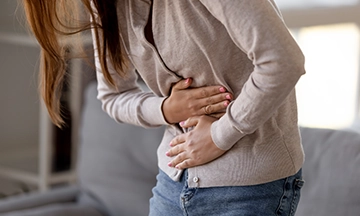
Stomach flu, also known as
16 Feb 2023
Chronic pancreatitis is considered
6 Feb 2023
Overview Recently fifteen cases of cholera
3 Apr 2020
During festivals, it
13 Jan 2015
Enquire Now