
Home/Wellness Zone/Sakra Blogs

4th May, 2023

Renal transplantation is a medical procedure that involves transplanting a healthy kidney from a donor to a patient whose kidneys have failed due to chronic kidney disease or other medical conditions. This procedure has proven to be much better than dialysis for patients with end-stage renal disease for a variety of reasons.
Dialysis is a life-sustaining treatment for patients with end-stage renal disease that removes waste and excess fluid from the blood when the kidneys can no longer perform this function. While dialysis can prolong life, it is not a cure for end-stage renal disease and requires frequent, time-consuming sessions that can impact a patient’s quality of life. On the other hand, renal transplantation is a one-time procedure that can provide patients with a new kidney that functions like a normal kidney, eliminating the need for dialysis altogether.
A kidney transplant can offer several benefits for people with end-stage kidney disease. A successful transplant can restore kidney function more effectively than dialysis and may allow patients to return to a more flexible daily routine. It can also improve overall quality of life by reducing the restrictions associated with long-term dialysis.
Better kidney function: A functioning transplanted kidney can perform many of the filtering and hormone-regulating functions of healthy kidneys.
Greater flexibility: Patients generally do not need regular dialysis sessions after a successful transplant.
Improved quality of life: Many people experience better energy levels and greater freedom in their daily activities.
Fewer dietary restrictions: Dietary and fluid restrictions may become less strict, depending on kidney function and medical advice.
Better long-term outcomes: For suitable patients, transplantation can offer better long-term survival than remaining on dialysis.
Although kidney transplantation can significantly improve quality of life, it is a major procedure and comes with certain risks. Patients need lifelong medical follow-up and medicines to prevent the immune system from rejecting the transplanted kidney.
Organ rejection: The immune system may recognise the transplanted kidney as foreign and attack it.
Infections: Anti-rejection medicines lower immune activity, which can increase the risk of infections.
Medication side effects: Immunosuppressive medicines may cause side effects such as high blood pressure, diabetes, weight gain or other complications.
Surgical complications: Bleeding, infection, blood clots or problems with the transplanted kidney can occur after surgery.
Long-term monitoring: Regular blood tests, medical appointments and medication adjustments are necessary to protect kidney function.
Dialysis is an important treatment for people whose kidneys can no longer remove enough waste and excess fluid from the body. It can help control kidney failure and support patients who are waiting for a transplant or who are not suitable candidates for transplantation.
Life-sustaining treatment: Dialysis removes waste products and excess fluid when the kidneys cannot do so adequately.
No transplant surgery: Patients do not need to undergo organ transplantation or take lifelong anti-rejection medicines.
Widely available: Haemodialysis and peritoneal dialysis can be used depending on the patient's health, lifestyle and medical needs.
Regular treatment required: Haemodialysis usually requires repeated sessions each week, while peritoneal dialysis involves regular exchanges or the use of a dialysis machine.
Possible complications: Low blood pressure, infections, muscle cramps, fatigue and access-related problems can occur.
Lifestyle adjustments: Dialysis may require changes to daily activities, diet, fluid intake and travel plans.
Yes, in some cases, a kidney transplant can be performed before dialysis becomes necessary. This is known as a pre-emptive kidney transplant and may be considered when a patient has advanced chronic kidney disease but has not yet started dialysis.
Pre-emptive transplantation may offer advantages because the patient can avoid some of the complications and lifestyle changes associated with long-term dialysis. However, not everyone with advanced kidney disease is eligible. The decision depends on kidney function, overall health, suitability for surgery, availability of a suitable donor and assessment by the transplant team.
Recovery after a kidney transplant varies from person to person, but most patients need several weeks to gradually return to their normal routine. The transplanted kidney may start working immediately, although some kidneys, particularly those from deceased donors, can take longer to function properly.
During recovery, patients need to take anti-rejection medicines exactly as prescribed and attend regular follow-up appointments. Blood tests are performed frequently to monitor kidney function and check for signs of rejection or infection.
Light activities can usually be resumed gradually, while strenuous exercise and heavy lifting should be avoided until the transplant team confirms that it is safe. Long-term follow-up remains important even after recovery to protect the transplanted kidney and maintain overall health.
Renal transplantation is recommended for individuals who have lost most of their kidney function and are unable to maintain adequate blood filtration and fluid balance in the body. Renal transplantation is typically considered for patients with end-stage renal disease who are under the age of 70 and who are healthy enough to undergo surgery.
The most common causes of end-stage renal disease include:
Here are a few reasons why renal transplantation is better than dialysis:
Renal transplantation is a better option than dialysis for patients with end-stage renal disease at Sakra wold hospital which is the best dialysis hospitals in Bangalore. It provides patients with a better quality of life, long-term health benefits, and higher survival rates. While not all patients are eligible for renal transplantation, those who are should consider this life-changing procedure as a viable option.
1. Is a kidney transplant better than dialysis?
For many eligible people with kidney failure, a successful kidney transplant can offer better quality of life and longer survival than long-term dialysis. However, transplantation is not suitable for everyone and requires lifelong medical care.
2. What is the difference between kidney transplant and dialysis?
Dialysis removes waste and excess fluid from the blood when the kidneys can no longer do so adequately, while a kidney transplant replaces kidney function with a donated kidney. Dialysis is an ongoing treatment, whereas a successful transplant can provide continuous kidney function.
3. When is a kidney transplant recommended instead of dialysis?
A kidney transplant may be recommended for people with advanced or end-stage kidney failure who are medically fit for surgery and able to take lifelong anti-rejection medicines. In some cases, transplantation may be considered before dialysis begins, known as a pre-emptive transplant.
4. How long can a person live with dialysis compared with a kidney transplant?
Life expectancy varies widely depending on age, overall health, kidney disease and other medical conditions. In suitable candidates, kidney transplantation generally offers better long-term survival than remaining on dialysis.
5. What are the benefits of renal transplantation over dialysis?
A successful kidney transplant can improve quality of life, provide more freedom with diet and daily activities, and eliminate the need for regular dialysis. It may also offer better long-term health outcomes for suitable patients.
6. What are the risks of kidney transplantation?
Risks include surgical complications, infections, blood clots and rejection of the transplanted kidney. Anti-rejection medicines can also cause side effects and require lifelong monitoring.
7. How long does it take to recover after a kidney transplant?
Many people can return to light daily activities within several weeks, although complete recovery may take a few months. Recovery time depends on overall health, the type of transplant and whether complications occur.
8. Can dialysis be stopped after a successful kidney transplant?
Yes, dialysis is usually stopped once the transplanted kidney is functioning adequately and removing waste and excess fluid from the body. Some patients may need temporary dialysis immediately after surgery if the new kidney takes time to start working.
9. How long does a transplanted kidney last?
The lifespan of a transplanted kidney varies depending on factors such as whether it came from a living or deceased donor, rejection episodes and overall health. A kidney from a living donor often functions for many years, but no transplant can be guaranteed to last a lifetime.
10. Who is eligible for a kidney transplant?
People with advanced or end-stage kidney disease may be considered after a detailed medical and psychological evaluation. Eligibility depends on factors such as overall health, ability to undergo surgery and commitment to lifelong follow-up and anti-rejection treatment.

Dysuria, commonly known as
18 Jun 2026

Kidney stones are no
17 Jun 2026

Urology robotic surgery
10 Mar 2026
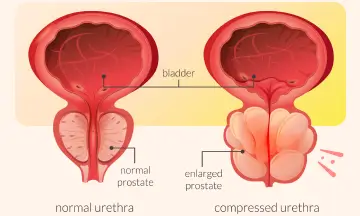
Benign Prostatic Hyperplasia (BPH), commonly
28 Feb 2025
A donor nephrectomy is a
28 Feb 2025
Robotic Pyeloplasty is an advanced,
27 Feb 2025
Partial nephrectomy is a
27 Feb 2025
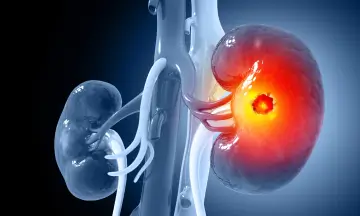
A kidney transplant is a
27 Feb 2025

Female incontinence, or the involuntary
15 Nov 2024

Uro cancer or more precisely
15 Nov 2024

Bladder cancer is one of
15 Nov 2024
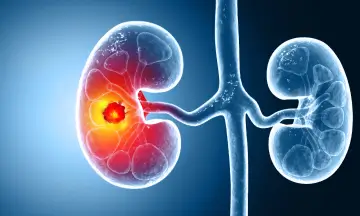
Kidney cancer or renal cancer,
15 Nov 2024

Urinary Tract Infections (UTIs) are
9 Aug 2024
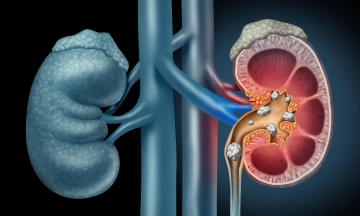
Kidney stones, solid deposits of
7 Aug 2024

The field of urology has
4 Jul 2024

Prostate health is a critical
4 Jul 2024
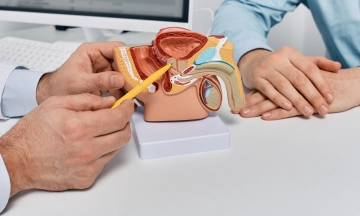
Prostate health is a critical
1 Jul 2024
The sudden onset of excruciating
12 Feb 2024

Bladder health is often taken
2 Nov 2023

In the realm of medical
11 Sep 2023

Advancements in medical technology and
11 Sep 2023

Erectile dysfunction is a medical
9 May 2023

Renal transplantation is a medical
4 May 2023

Prostate cancer refers to a
27 Mar 2023

Imagine the misery, a 13-year-old
20 May 2021
The kidneys are parts of
5 Feb 2019

Kidney Disease is often thought
14 Mar 2017
The kidneys are bean-shaped organs,
17 Jan 2017
Enquire Now