Home/Key Procedures/Kidney transplant
The kidneys are parts of your body whose function is to filter and remove excess waste, minerals and fluid and regulate blood pressure. However, there are situations when your kidneys is unable to perform this filtering ability and that is considered a kidney failure. When the kidneys fail to perform their functions, it need prompt treatment and potentially transplantation. There are 2 options – dialysis or a kidney transplant. Dialysis is a procedure that uses an artificial kidney to remove waste and excess fluids from the body when your own kidney fails to do so.
A kidney transplant, on the other hand, is a surgical procedure performed to treat kidney failure. Many opt for this procedure as it offers more freedom and a better quality of life. A kidney transplant is done by placing a healthy kidney into your body to perform its functions when your own kidney doesn’t function normally anymore.
Kidney transplants are usually considered when a person has End Stage Renal Disease (ESRD). This is a permanent condition suggesting kidney failure. People who get transplants tend to live longer compared to those undergoing dialysis treatment. Along with this, a better quality of life, fewer restrictions on diet, fewer long term health issues and a guaranteed more energetic body are some of the reasons people prefer a kidney transplant over dialysis.
The kidney transplant could happen from a living donor or a deceased donor. The main reason as to why living donor transplantations are preferred more over deceased donors is because the former transplant has a lower risk of complications and a shorter time on the waiting list for a patient.
Like any other surgery, there are some risks associated with this procedure. These include:
A kidney transplant is a serious medical procedure and the first thing that the patient needs to do is to choose the right transplant centre or hospital for the procedure. A person with heart conditions, infections that can’t be treated, cancer, and other serious conditions that cannot be rectified will not be eligible for a kidney transplant. The centre will consider the following factors in the patient before adding them to the donor waiting list.
There are certain things you need to expect before and after the procedure. All the above factors based on the patient and their donor’s mental and physical health evaluation will be done. Post the surgical procedure, the patient will be taken to the recovery room for close monitoring until their body functionalities like heart rate, blood pressure and breathing become stable. The patient will spend a day or two in the ICU as well under observation during this period.
Ideally, the recovery period requires the patient to spend a few days or a week at the hospital depending on their recovery speed. Blood samples will be taken often from the patient in order to check the status of the new kidney. Urine content will also be checked to test the kidney functionality in the new body. Anti-rejection medicines will be provided to the patient in order to help the body accept the new kidney. The patient will move slowly from liquid food to more solid food. Specialists will guide the patient on post-surgery care that needs to be followed at the hospital as well as on returning back home. Once the patient becomes stable, they will be discharged.

Dysuria, commonly known as painful urination, is a condition where you feel discomfort, burning, or pain while passing urine. It can affect both men and women and is often a sign of an underlying issue such as infection, irritation, or...
18 Jun 2026

Kidney stones are no longer a condition seen only in older adults. Due to changing lifestyles and dietary habits, an increasing number of young individuals, including those below 20 years of age, are being diagnosed with this painful condition. What Are...
17 Jun 2026

Urology robotic surgery is an advanced, minimally invasive surgical approach used to treat conditions affecting the urinary tract and male reproductive organs. In this technique, surgeons use a robotic-assisted system to perform delicate procedures with enhanced precision and control. Although it...
10 Mar 2026

Epithelial cells are specialized cells that form the lining of various structures in the body, including the skin, internal organs, and the urinary tract. Their presence in urine is common, as some shedding is normal. However, an excessive number may...
14 Mar 2025
Benign Prostatic Hyperplasia (BPH), commonly known as an enlarged prostate, is a condition that affects many men as they age. It can lead to uncomfortable urinary symptoms that interfere with daily life. While traditional treatments like medications and surgery exist,...
28 Feb 2025
A donor nephrectomy is a surgical procedure performed to remove a kidney from a healthy donor for transplantation into a recipient suffering from end-stage renal disease (ESRD). This procedure allows patients with kidney failure to receive a functioning kidney, significantly...
28 Feb 2025
Robotic Pyeloplasty is an advanced, minimally invasive surgical procedure used to treat ureteropelvic junction (UPJ) obstruction, a condition where the flow of urine from the kidney to the bladder is blocked or restricted. This robotic-assisted technique has revolutionized pyeloplasty, offering...
27 Feb 2025
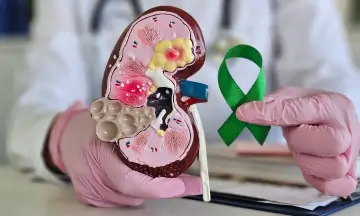
Partial nephrectomy is a surgical procedure used to remove a portion of a diseased or cancerous kidney while preserving as much healthy tissue as possible. This procedure is primarily performed to treat kidney tumors, allowing the remaining kidney tissue...
27 Feb 2025
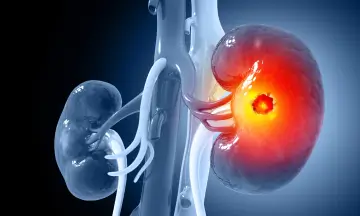
A kidney transplant is a medical procedure that involves replacing a diseased kidney with a healthy one from a donor. This life-saving surgery is often the best treatment for patients suffering from end-stage kidney disease (ESKD) or chronic kidney failure....
27 Feb 2025

Female incontinence, or the involuntary loss of bladder control, affects millions of women worldwide and can significantly impact daily life, confidence, and overall well-being. This condition can vary from minor leakage when sneezing or laughing to a sudden and overwhelming...
15 Nov 2024
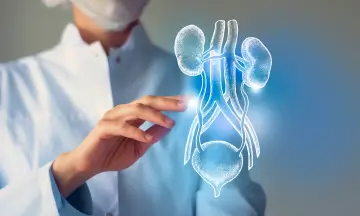
Uro cancer or more precisely Urothelial cancer, is a type of cancer that primarily affects the urinary system, including the bladder, ureters, kidneys, and urethra. This group of cancers belongs to the category of urothelial carcinoma, a common type of...
15 Nov 2024

Bladder cancer is one of the most common types of cancer, particularly among older adults. It begins in the bladder cells and can spread to other areas if not detected and treated early. Recognizing its symptoms, understanding risk factors, and...
15 Nov 2024
When Vidhyasagar GK was diagnosed with a kidney cyst, he consulted doctor after doctor - unsure, anxious, running out of answers. Then his brother pointed him to Dr. Govardhan at Sakra World Hospital. That one decision changed everything. What ...
Watch videoDr. Vaidyanathan - a retired doctor - decades of service in medical college and Kerala Health Service - shares why Sakra World Hospital is his first choice. Since 2017: his daughter, son-in-law, and wife, treated for GI and orthopedic conditions. Las...
Watch video
Words of Heart I live in Kala Pahar, Guwahati, Assam and have two grandchild. Their names are Bitumoni Kalita & Sunny Kalita. It was in the month of December /2017. When we came to know about that Bitumoni had Renal Kidney Disease after ...
I’ve shifted to Bengaluru recently and this was my visit to Sakra; and since day 1 the processes of consultation and tests both have been very organized and smooth. The staff is very hygienic as well. I did not have to run to and fro for any in...

My father was admitted and treated in this hospital for stag horn kidney stones successfully. There were multiple surgeries which all went very well. Thanks to Dr. Ajay Shetty who is a consultant urologist at this hospital. He is an extremely good an...

SY NO 52/2 & 52/3,
Devarabeesanahalli, Varthur
Hobli, Bangalore- 560 103

Health Tips, News & Updates

Enquire Now