

Home/Wellness Zone/Sakra Blogs

18th Aug, 2026
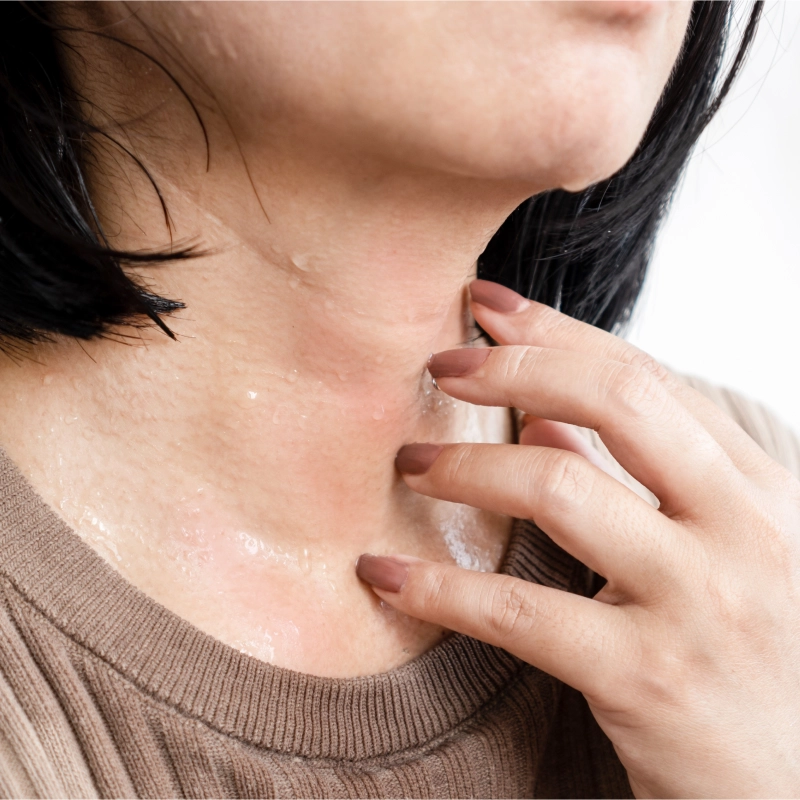
Night sweats refer to excessive sweating during sleep that is not simply caused by a warm room, heavy bedding or excessive clothing. While occasional sweating at night can be normal, repeated or severe episodes may sometimes indicate an underlying medical condition.
Night sweats can occur with or without fever and may affect different parts of the body, including the chest, back, neck and head. Understanding what causes night sweats, associated symptoms and possible treatments can help determine when medical evaluation is needed.
Night sweats are episodes of excessive sweating that occur while a person is sleeping. The sweating may be severe enough to soak nightwear or bedding and may cause the person to wake up during the night.
Normal sweating helps regulate body temperature. However, excessive sweating in night without an obvious environmental reason may be associated with hormonal changes, infections, medications, anxiety or other medical conditions.
Occasional sweating in sleep may not indicate a serious problem, but frequent or unexplained episodes should be evaluated, particularly when other symptoms are present.
The symptoms of night sweats may vary depending on the underlying cause.
Common night sweats symptoms include:
Heavy sweating during sleep: The person may sweat significantly despite sleeping in a comfortable-temperature room.
Soaked nightwear: Clothing may become damp or completely wet because of excessive sweating.
Wet bedding: Severe episodes may cause sheets or blankets to become noticeably wet.
Waking during the night: Heavy sweating may interrupt sleep and cause repeated nighttime awakenings.
Feeling overheated: A person may feel unusually hot before or during an episode of sweating.
Chills after sweating: Once the sweat evaporates, the body may feel cold or chilled.
Poor sleep quality: Repeated episodes can interfere with restful sleep and cause daytime tiredness.
Palpitations or anxiety: Some people may experience a racing heartbeat or anxiety along with nighttime sweating.
These symptoms may occur alone or together depending on the cause.
There are many possible causes of night sweats, ranging from environmental factors to medical conditions.
Common causes include:
1. Warm Sleeping Environment
A warm bedroom, heavy blankets, thick nightwear or poor ventilation can cause sweating during sleep. This is one of the simplest explanations for nighttime sweating.
Adjusting the room temperature, bedding and clothing may help determine whether the environment is contributing to the problem.
2. Hormonal Changes
Changes in hormone levels can affect the body's ability to regulate temperature.
Menopause and perimenopause are common examples in which hot flashes and nighttime sweating may occur. Hormonal changes related to other conditions can also contribute to episodes of sweating.
3. Infections
Some infections can cause sweating at night, particularly when the body is responding to an infection.
Tuberculosis, certain bacterial infections and other infectious diseases may cause night sweats along with symptoms such as fever, cough, weakness or weight loss.
4. Low Blood Sugar
Low blood glucose levels can sometimes cause sweating during sleep, particularly in people taking medicines that lower blood sugar.
Nighttime hypoglycaemia may also cause symptoms such as shakiness, hunger, confusion, nightmares or a rapid heartbeat.
5. Anxiety and Stress
Stress and anxiety can activate the body's nervous system and increase sweating.
People experiencing ongoing stress may notice sweating at night along with disturbed sleep, racing thoughts or increased heart rate.
6. Certain Medications
Some medicines may cause sweating as a side effect. These may include certain antidepressants, pain medicines, hormonal medicines and medicines used to reduce fever.
If sweating begins after starting a new medicine, discuss the symptom with a doctor rather than stopping the medicine on your own.
7. Thyroid Problems
An overactive thyroid, known as hyperthyroidism, can increase metabolism and heat production.
This may result in excessive sweating, heat intolerance, palpitations, weight loss, tremors or difficulty sleeping.
8. Sleep Disorders
Some sleep disorders may be associated with increased sweating during the night.
Obstructive sleep apnea, for example, can cause repeated interruptions in breathing and may sometimes be associated with nighttime sweating.
9. Certain Cancers
Night sweats can occasionally occur with some cancers, particularly certain blood cancers such as lymphoma.
However, night sweats alone do not mean that a person has cancer. Other symptoms and appropriate medical investigations are needed to determine the cause.
10. Alcohol and Substance Use
Alcohol consumption and withdrawal from certain substances can affect the nervous system and body temperature regulation, potentially resulting in nighttime sweating.
Reducing alcohol intake and discussing persistent symptoms with a healthcare professional may help identify the cause.
Night sweats without fever can occur for several reasons. A person does not necessarily need to have a fever for excessive sweating to develop during sleep.
Possible reasons include:
Hormonal changes, particularly during menopause
Anxiety and stress
An overactive thyroid
Certain medications
Low blood sugar
Alcohol consumption
Sleep disorders such as sleep apnea
A warm sleeping environment
Certain neurological or hormonal conditions
Some infections or other medical conditions that do not always cause noticeable fever
If night sweats occur repeatedly without an obvious explanation, medical evaluation can help identify the underlying cause.
Head sweating while sleeping may occur when the body becomes overheated during sleep. Sweating may be more noticeable around the scalp, forehead, face and neck.
Possible causes include:
Warm room temperature
Heavy blankets or nightwear
Hormonal changes
Anxiety or stress
Fever or infection
Certain medications
Thyroid disorders
Sleep disorders
Increased sweating tendency
Occasional head sweating is usually not concerning. However, frequent or excessive sweating that disrupts sleep should be discussed with a doctor.
Nighttime sweating can affect both men and women, but some causes are more common in particular groups.
Persistent symptoms should not be attributed to age or hormonal changes without proper evaluation.
Doctors evaluate night sweats by looking at their frequency, severity, duration and associated symptoms.
Common methods include:
Medical history: The doctor may ask when the sweating started, how often it occurs, whether the bedding becomes soaked and whether other symptoms are present.
Medication review: Current medicines, supplements and recent changes may be reviewed to identify possible side effects.
Physical examination: A physical examination can help identify signs of infection, hormonal disorders or other underlying problems.
Blood tests: Tests may be used to check for infection, inflammation, thyroid disorders, blood sugar abnormalities or other conditions.
Imaging tests: X-rays, ultrasound, CT or other imaging may be recommended when symptoms suggest an underlying condition.
Sleep evaluation: A sleep study may be recommended when symptoms suggest sleep apnea or another sleep disorder.
Other targeted tests: Additional investigations may be performed depending on the symptoms and suspected cause.
Diagnosis is focused on finding and treating the underlying reason for the sweating.
Treatment for night sweats depends on the underlying cause.
Treating infections: If an infection is responsible, appropriate treatment may help resolve the sweating.
Managing hormonal changes: Hormonal symptoms may be managed through lifestyle measures, medicines or other treatments recommended by a doctor.
Managing thyroid disorders: Treatment to restore normal thyroid function can help reduce excessive sweating when hyperthyroidism is the cause.
Adjusting medications: If a medicine is contributing to sweating, the doctor may adjust the dose or consider an alternative when appropriate.
Managing blood sugar: People experiencing nighttime low blood sugar may need changes to their diabetes treatment or meal plan under medical supervision.
Managing anxiety and stress: Relaxation techniques, counselling, regular physical activity and appropriate treatment may help reduce stress-related sweating.
Treating sleep disorders: Conditions such as sleep apnea may require specific treatment to improve breathing and sleep quality.
Environmental changes: Using breathable nightwear, lighter bedding and maintaining a comfortable bedroom temperature may reduce environmentally triggered sweating.
The treatment should be based on the identified cause rather than treating sweating alone.
Simple measures may help reduce episodes when sweating is related to environmental or lifestyle factors.
Helpful steps include:
Keeping the bedroom comfortably cool
Wearing loose, breathable nightwear
Using lightweight bedding
Drinking adequate fluids during the day
Limiting alcohol before bedtime
Avoiding very spicy foods if they trigger sweating
Maintaining a regular sleep schedule
Managing stress through relaxation techniques
Keeping a record of when night sweats occur and any associated symptoms
These measures may help, but persistent night sweats require evaluation if there is no obvious explanation.
Occasional sweating during sleep is usually not a cause for concern. However, you should consult a doctor if night sweats are frequent, severe or unexplained.
Seek medical evaluation if night sweats occur along with:
Persistent fever
Long-lasting cough
Severe or persistent fatigue
Swollen lymph nodes
Recurrent infections
Difficulty breathing
Persistent pain
Palpitations or tremors
Significant changes in appetite
These symptoms do not necessarily indicate a serious disease, but they should be properly evaluated.
Not all causes of night sweats can be prevented, but certain measures may reduce episodes.
Helpful steps include:
Maintaining a comfortable bedroom temperature: A cool, well-ventilated room can reduce heat-related sweating.
Choosing breathable clothing: Cotton or other lightweight fabrics may help the body stay comfortable during sleep.
Avoiding heavy bedding: Thick blankets can trap heat and increase sweating.
Managing stress: Regular relaxation, exercise and adequate sleep may help reduce stress-related sweating.
Limiting alcohol: Reducing alcohol consumption may help prevent alcohol-related nighttime sweating.
Managing medical conditions: Keeping conditions such as thyroid disorders and diabetes under proper control may reduce associated sweating.
Reviewing medications: Discuss possible side effects with a doctor if excessive sweating begins after starting a medicine.
Night sweats are episodes of excessive sweating during sleep that can result from environmental factors, hormonal changes, infections, medications, stress or underlying medical conditions.
While occasional sweating during sleep may be harmless, repeated or unexplained excessive sweating at night should not be ignored. Night sweats can occur with or without fever, and the absence of fever does not necessarily identify the cause.
Understanding what is the reason for night sweats requires looking at the person's symptoms, medical history and, when necessary, diagnostic tests. Identifying the underlying cause and receiving appropriate treatment can help reduce sweating, improve sleep and support overall health.
1. What are night sweats?
Night sweats are episodes of excessive sweating during sleep that may soak nightwear or bedding and are not simply caused by a warm sleeping environment.
2. What causes night sweats?
Common causes include hormonal changes, infections, stress, certain medications, low blood sugar, thyroid disorders and sleep disorders. Sometimes, an underlying medical condition may be responsible.
3. Is sweating during sleep normal?
Mild sweating during sleep can be normal, especially in a warm environment. Frequent or excessive sweating without an obvious reason may require medical evaluation.
4. What causes night sweats without fever?
Night sweats without fever can occur due to hormonal changes, anxiety, medications, low blood sugar, thyroid problems, alcohol use, sleep disorders and other conditions.
5. Why does my head sweat while sleeping?
Head sweating while sleeping may result from overheating, hormonal changes, stress, medications, thyroid problems or other causes of excessive sweating.
6. Can stress cause night sweats?
Yes, stress and anxiety can activate the body's nervous system and increase sweating, including during sleep.
7. Can thyroid problems cause night sweats?
Yes, an overactive thyroid can increase metabolism and heat production, which may lead to excessive sweating, including at night
Lymphatic filariasis, commonly known as filariasis or elephantiasis, is a parasitic infection that affects the lymphatic system. It is transmitted through the bite of infected mosquitoes and can cause swelling of the legs, arms, breasts or genital area when
18 Aug 2026
Lung cancer has the highest rate of disability-adjusted life years of all cancers in India. Traditionally considered a male-dominant, smoking-related disease, it is now increasingly seen in women particularly non-smokers, challenging long-held assumptions. This trend highlights the growing role
22 May 2026

Typhoid fever is a serious systemic infection caused by the bacterium Salmonella Typhi. Unlike common food poisoning, this bacteria specifically targets humans and spreads through the "fecal-oral" route—typically via contaminated food or water in areas with poor sanitation. Early detection is
16 Apr 2026

As a cancer specialist practising in Bangalore for over two decades, I have watched the face of cancer change dramatically. The patient sitting across from me today is often not a retired grandparent but a 28-year-old software engineer, a
14 Apr 2026

Bengaluru’s summer brings intense heat combined with high humidity, leading to rapid dehydration and a spike in illnesses. Heavy sweating, contaminated food/water, and irregular habits have caused a reported 20% rise in gastrointestinal problems like stomach infections, acidity, diarrhea, and
7 Apr 2026

Summer in Bengaluru isn’t just about the heat; it’s also the time when water-borne diseases like Typhoid, Cholera, and Gastroenteritis tend to spike. As the city faces water shortages, many of us rely on tankers or stored water, which can
7 Apr 2026
As summer temperatures rise, many people experience symptoms like fatigue, dizziness, and excessive sweating. While these may seem like simple dehydration, they can also indicate heat exhaustion, a more serious heat-related illness. Understanding the difference between dehydration and heat
24 Mar 2026

Staying hydrated during summer is not just about comfort—it’s essential for survival. As temperatures rise, your body loses fluids more rapidly through sweat, increasing the risk of dehydration. What often starts as mild fluid loss can quickly escalate into
24 Mar 2026
As an internal medicine specialist, I have observed a significant surge in patients across Bangalore struggling with a "never-ending" dry cough. While many assume it is a standard cold, the reality is more complex. The primary culprit is the
3 Feb 2026
Enquire Now