
Home/Wellness Zone/Sakra Blogs

24th Mar, 2026
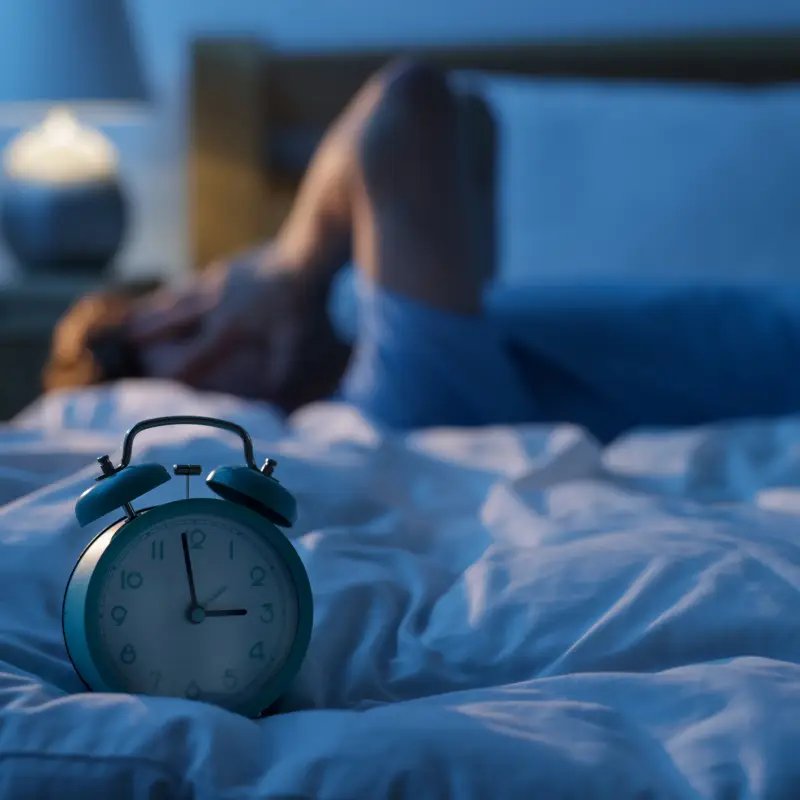
Struggling to fall asleep or waking up frequently at night can be frustrating and exhausting. While occasional sleeplessness is common, persistent difficulty sleeping may indicate insomnia, a condition that affects both physical and mental health.
Many people assume insomnia is simply due to stress, but the reality is more complex. There are several hidden causes of insomnia that often go unnoticed. Identifying these triggers is the first step toward improving sleep quality and overall well-being.
Insomnia is a sleep disorder characterized by difficulty falling asleep, staying asleep, or waking up too early and not being able to return to sleep. It can be short-term (acute) or long-term (chronic).
1. Chronic Stress and Anxiety
Stress increases cortisol levels, keeping your mind alert when it should be relaxing. Anxiety can lead to overthinking, making it difficult to fall asleep.
2. Excess Screen Time Before Bed
Exposure to blue light from phones, laptops, and TVs suppresses melatonin—the hormone responsible for sleep—disrupting your natural sleep cycle.
3. Irregular Sleep Schedule
Sleeping at different times each day confuses your body’s internal clock (circadian rhythm), making it harder to fall asleep consistently.
4. Caffeine and Stimulants
Consuming coffee, tea, or energy drinks in the evening can keep your nervous system active for hours, delaying sleep onset.
5. Hormonal Imbalances
Hormonal changes—especially in women during menstruation, pregnancy, or menopause—can interfere with sleep patterns.
6. Poor Sleep Environment
Noise, bright lights, uncomfortable bedding, or room temperature that’s too hot or cold can significantly affect sleep quality.
7. Underlying Medical Conditions
Conditions such as chronic pain, asthma, acid reflux, or thyroid disorders can disrupt sleep.
8. Mental Health Conditions
Depression and anxiety disorders are strongly linked to insomnia, often creating a cycle of poor sleep and worsening mental health.
9. Late-Night Eating Habits
Eating heavy meals close to bedtime can cause discomfort, bloating, or acid reflux, making it difficult to sleep.
10. Lack of Physical Activity
A sedentary lifestyle can reduce sleep drive, making it harder for your body to feel naturally tired at night.
Insomnia often shows up through changes in both your sleep pattern and daytime functioning:
Difficulty falling asleep
Frequent waking during the night
Waking up too early
Daytime fatigue or sleepiness
Poor concentration
Irritability or mood changes
Consult a healthcare professional if:
Sleep problems persist for more than 2–3 weeks
Insomnia affects daily functioning
You experience anxiety, depression, or chronic fatigue
Sleep disturbances are linked to a medical condition
Follow a Consistent Sleep Schedule
Go to bed and wake up at the same time every day—even on weekends.
Limit Screen Time Before Bed
Avoid electronic devices at least 1 hour before bedtime.
Create a Sleep-Friendly Environment
Keep your bedroom cool, dark, and quiet.
Watch Your Diet
Avoid caffeine and heavy meals in the evening.
Stay Physically Active
Regular exercise can help regulate sleep patterns.
At Sakra World Hospital, our specialists provide comprehensive evaluation and treatment for sleep disorders, including insomnia. Care includes:
Detailed sleep assessment
Management of underlying medical conditions
Lifestyle and behavioral therapy
Advanced diagnostic support if needed
Early intervention can significantly improve sleep quality and overall health.
Insomnia is often caused by multiple hidden factors rather than a single issue. Identifying and addressing these underlying causes can help restore healthy sleep patterns and improve quality of life.
If sleep problems persist, seeking medical advice is essential to prevent long-term health complications.
1. What is the most common cause of insomnia?
Stress and anxiety are among the most common causes, but lifestyle habits and medical conditions also play a role.
2. Can screen time really affect sleep?
Yes, blue light from screens suppresses melatonin production, making it harder to fall asleep.
3. How many hours of sleep do adults need?
Most adults need 7–9 hours of sleep per night for optimal health.
4. When should I worry about insomnia?
If sleep problems last more than a few weeks or affect your daily life, consult a doctor.
5. Can insomnia be cured?
In many cases, insomnia can be managed or improved by addressing underlying causes and making lifestyle changes.

Depression has quietly become one of the most pressing health challenges of the 21st century. Often described as a “silent storm” — unseen, unheard, but powerful enough to shake a person’s world, it is far more than simply feeling sad. This
25 Sep 2025
In recent years, the concept of neurodiversity has gained important recognition in the field of healthcare. As medical professionals, it is vital that we understand and support the diverse ways in which our patients and colleagues think, learn, and interact
1 Sep 2025

In our fast-paced, always-connected world, sleep is often the first thing we sacrifice. Whether it’s late-night studying, scrolling through social media, or finishing one last episode on Netflix, sleep tends to take a back seat. But the truth is, sleep
1 Sep 2025

Parenting is one of the most profound responsibilities we take on in life. Yet, many of us are unaware that the way we parent—our parenting style—can significantly shape our child’s personality, behavior, emotional health, and even future relationships. Parenting is more
1 Sep 2025

The birth of a child is one of the most beautiful moments in the life of a couple. However, there are often unnoticed cases of depression that occur in parents (mostly mothers) post-birth. This condition is often confused with baby
9 Jun 2021

It is not even two decades since social media came into our lives and it has become an inseparable part of our life which proves that man is a social being. The good quality phones at affordable prices and internet
20 May 2021

As we all know that corona facet affects our society and it impacts each person in different ways. The disruptions to daily life are already being felt by many, Last week a female techie presented with symptoms of anxiety, related
24 Mar 2020

12 years old child seen with grandmother in OPD with the complaints of excessive use of the gadget, i.e., mobile phone which she is finding very difficult to restrain him from using. Another parent brought the child complaining that
10 Sep 2018
Mr. R, 30 year old man came to see the psychiatrist after his wife got fed up trying to tell him to get off the bed and go to work. "Doctor, I am tired, tired, tired. I didn’t
10 Mar 2016
Enquire Now