

Home/Wellness Zone/Sakra Blogs

22nd May, 2026

Lung cancer has the highest rate of disability-adjusted life years of all cancers in India. Traditionally considered a male-dominant, smoking-related disease, it is now increasingly seen in women particularly non-smokers, challenging long-held assumptions. This trend highlights the growing role of non-tobacco risk factors such as indoor air pollution, radon, arsenic exposure, particulate matter, and chronic airway inflammation.
Epidemiological studies show a higher proportion of lung cancer cases in non-smokers in East Asia, with about one-third of patients being non-smokers. Indian women carry distinct genetic vulnerabilities. Variants in the CYP1A1, GSTM1, and GSTT1 genes enzymes responsible for carcinogen detoxification are highly prevalent in South Asian populations, impairing the body’s ability to neutralize inhaled toxins. Non-smoking women are more than twice as likely to develop lung cancer compared to male non-smokers.
A recent study from Karnataka has revealed a concerning shift in lung cancer trends. Researchers followed 89 women under the age of 50—none of whom had ever smoked or lived in smoking households—over a five-year period. Most patients presented with a simple but persistent symptom: a dry cough lasting around three months. Yet, nearly 70% were diagnosed at an advanced stage (stage IV). Majority of these women had prolonged exposure to poorly ventilated cooking environments. Repeated heating of cooking oil generates carcinogens such as polycyclic aromatic hydrocarbons and reactive aldehydes, which induce oxidative DNA damage and promote mutations, particularly in the EGFR gene which contributes to EGFR mutations that is commonly seen in up to 40–50% of Indian non-smoker lung adenocarcinoma cases, far higher than in Western populations. Detection of this mutation on novel testing platforms has revolutionized Lung cancer treatment from mere months to several years of survival with excellent quality of life.
Emerging risks further compound the burden. Despite regulatory bans, e-cigarette use is rising, exposing individuals to toxic aerosols. Particularly among younger urban women who perceive them as “safe.” The aerosol contains formaldehyde, diacetyl, heavy metals, and ultrafine particles capable of causing oxidative stress and DNA damage. Additionally, India’s severe air pollution with widespread exposure to PM2.5, nitrogen dioxide, and vehicular exhaust significantly elevates lung cancer risk even without tobacco use.
We routinely recommend annual low-dose CT (LDCT) screening for high-risk non-smoking Indian women aged 40–74 with prolonged daily indoor cooking with exposures of more than 10 years, poorly ventilated kitchens, a first-degree family history of lung cancer, residence in high-pollution zones of AQI >150, chronic exposure >5 years, or a confirmed EGFR/ALK mutation in family members.
The biggest takeaway is simple but critical:
“Your lungs matter—listen when they speak.”
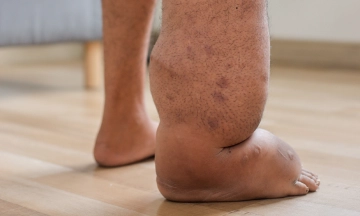
Lymphatic filariasis, commonly known as filariasis or elephantiasis, is a parasitic infection that affects the lymphatic system. It is transmitted through the bite of infected mosquitoes and can cause swelling of the legs, arms, breasts or genital area when
18 Aug 2026
Night sweats refer to excessive sweating during sleep that is not simply caused by a warm room, heavy bedding or excessive clothing. While occasional sweating at night can be normal, repeated or severe episodes may sometimes indicate an
18 Aug 2026

Typhoid fever is a serious systemic infection caused by the bacterium Salmonella Typhi. Unlike common food poisoning, this bacteria specifically targets humans and spreads through the "fecal-oral" route—typically via contaminated food or water in areas with poor sanitation. Early detection is
16 Apr 2026

As a cancer specialist practising in Bangalore for over two decades, I have watched the face of cancer change dramatically. The patient sitting across from me today is often not a retired grandparent but a 28-year-old software engineer, a
14 Apr 2026

Bengaluru’s summer brings intense heat combined with high humidity, leading to rapid dehydration and a spike in illnesses. Heavy sweating, contaminated food/water, and irregular habits have caused a reported 20% rise in gastrointestinal problems like stomach infections, acidity, diarrhea, and
7 Apr 2026

Summer in Bengaluru isn’t just about the heat; it’s also the time when water-borne diseases like Typhoid, Cholera, and Gastroenteritis tend to spike. As the city faces water shortages, many of us rely on tankers or stored water, which can
7 Apr 2026

As summer temperatures rise, many people experience symptoms like fatigue, dizziness, and excessive sweating. While these may seem like simple dehydration, they can also indicate heat exhaustion, a more serious heat-related illness. Understanding the difference between dehydration and heat
24 Mar 2026

Staying hydrated during summer is not just about comfort—it’s essential for survival. As temperatures rise, your body loses fluids more rapidly through sweat, increasing the risk of dehydration. What often starts as mild fluid loss can quickly escalate into
24 Mar 2026
As an internal medicine specialist, I have observed a significant surge in patients across Bangalore struggling with a "never-ending" dry cough. While many assume it is a standard cold, the reality is more complex. The primary culprit is the
3 Feb 2026
Enquire Now