
Home/Wellness Zone/Sakra Blogs

12th Nov, 2026
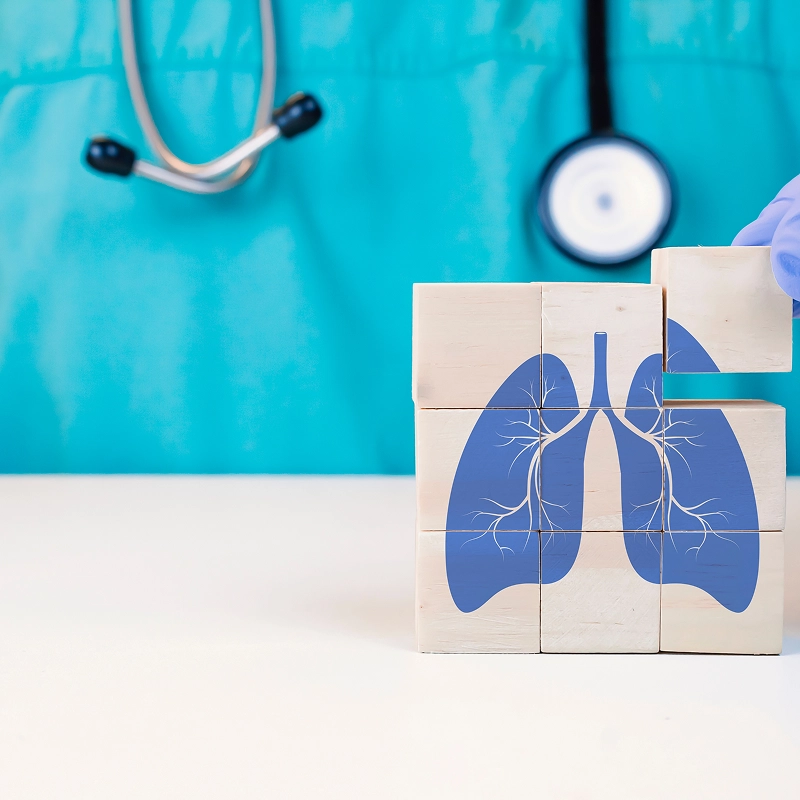
Reconstructive surgery is a type of surgery performed to restore the appearance and function of body parts affected by birth defects, injuries, infections, diseases or previous surgeries. It helps repair damaged tissues, improve movement, correct structural abnormalities, and restore a more natural appearance. Depending on the condition, reconstructive procedures may involve skin, muscles, bones, nerves or other tissues. The treatment approach is planned according to the person's medical needs, overall health and recovery goals.
Reconstructive surgery may be recommended when a physical abnormality affects normal body function, appearance or quality of life. Common reasons include:
Birth defects: Conditions such as cleft lip, cleft palate, webbed fingers and certain facial or skull abnormalities.
Accidents and injuries: Damage to the skin, muscles, bones or nerves caused by road accidents, workplace injuries or other trauma.
Burn injuries: Deep burns that cause tissue damage, scarring or restricted movement.
Cancer treatment: Reconstruction of body parts after the removal of tumours, such as breast reconstruction following mastectomy.
Infections and diseases: Tissue damage caused by severe infections, chronic wounds or certain medical conditions.
Previous surgeries: Repair of defects or complications following earlier surgical procedures.
Reconstructive surgery includes several procedures based on the affected body part and the extent of tissue damage.
1. Breast Reconstruction Surgery
Breast reconstruction restores the shape of one or both breasts after partial or complete breast removal, usually due to cancer. It may involve breast implants or tissue taken from another part of the body.
2. Facial Reconstruction Surgery
Facial reconstruction repairs damage caused by accidents, burns, tumours or birth defects. It may involve rebuilding the nose, jaw, cheeks, lips or other facial structures to improve appearance and functions such as breathing, chewing and speaking.
3. Hand and Upper Limb Reconstruction
This surgery repairs injuries or abnormalities affecting the hands, fingers, wrists and arms. It can help restore movement, strength and sensation after nerve damage, tendon injuries, fractures or congenital conditions.
4. Burn Reconstruction Surgery
Burn reconstruction helps repair skin and underlying tissues damaged by severe burns. Procedures may include skin grafting, scar revision and tissue reconstruction to improve healing and reduce movement restrictions.
5. Cleft Lip and Palate Repair
This surgery corrects openings or separations in the upper lip or roof of the mouth that are present from birth. It helps improve feeding, speech development and facial structure.
6. Skin Grafting and Flap Surgery
These procedures are used to cover areas where skin or tissue is missing or damaged.
Skin grafting: Healthy skin is taken from another area of the body and placed over the affected area.
Flap surgery: Skin, fat, muscle or other tissue, along with its blood supply, is moved from one part of the body to another to repair a defect.
7. Craniofacial Reconstruction
Craniofacial surgery corrects abnormalities affecting the skull, face and jaw. It may be performed for congenital conditions, traumatic injuries or defects following tumour removal.
8. Limb Reconstruction Surgery
Limb reconstruction repairs severe injuries, bone defects or tissue damage affecting the arms or legs. Depending on the condition, it may involve bone grafting, tissue transfer or other procedures to preserve the limb and improve mobility.
The surgeon selects a technique based on the location, size and severity of the defect. Common techniques include:
Skin grafting: Transfers healthy skin to cover an area where skin has been lost.
Flap reconstruction: Uses tissue with its blood supply to repair damaged or missing tissue.
Tissue expansion: A balloon-like device is placed under healthy skin and gradually filled to stretch the skin, creating additional tissue for reconstruction.
Microsurgery: Uses specialised instruments and a microscope to connect tiny blood vessels, nerves or other structures.
Bone grafting: Uses bone from another part of the body or suitable donor or synthetic material to repair bone defects.
Reconstructive and cosmetic surgery are both part of plastic surgery, but their main purposes are different.
Reconstructive surgery: Repairs abnormalities caused by birth defects, injuries, diseases or medical treatments. Its primary goal is to restore function and improve appearance.
Cosmetic surgery: Changes or enhances otherwise normal body features to achieve a desired appearance. It is generally performed for personal aesthetic reasons.
Some procedures can be either reconstructive or cosmetic depending on why they are performed. For example, nose surgery may be reconstructive when it corrects breathing problems after an injury, but cosmetic when performed only to change the nose's appearance.
A person may be considered for reconstructive surgery if a birth defect, injury, disease or previous treatment has affected their body structure or function. Suitability depends on several factors:
Overall health: The person's general health and ability to undergo surgery.
Nature of the defect: The location, size and severity of the affected area.
Tissue condition: The availability and quality of healthy skin, muscles, bones or other tissues.
Medical history: Previous surgeries, existing conditions and medications.
Recovery expectations: The person's ability to follow post-operative care and rehabilitation instructions.
A plastic and reconstructive surgeon evaluates these factors before recommending a suitable procedure.
Reconstructive surgery can improve physical function and help people manage the effects of injuries, diseases and congenital conditions. Its benefits may include:
Restored function: Improves movement, breathing, chewing or other affected body functions.
Tissue repair: Replaces or repairs damaged or missing skin, muscles and other tissues.
Improved appearance: Helps restore a more natural body shape and symmetry.
Better mobility: Corrects deformities or scar tissue that restrict movement.
Improved quality of life: May support greater independence, comfort and confidence.
Like other major surgical procedures, reconstructive surgery carries certain risks. Possible complications include:
Infection: Bacterial infection at the surgical site.
Bleeding: Blood loss during or after the procedure.
Blood clots: Clots that may develop in the legs or travel to the lungs.
Poor wound healing: Delayed healing or wound separation.
Scarring: Visible scars or changes in skin texture.
Tissue or graft failure: Transferred tissue or a skin graft may not receive enough blood supply to survive.
Anaesthesia-related complications: Reactions or other problems associated with anaesthesia.
Recovery depends on the procedure, the extent of tissue repair and the person's general health. Some minor procedures may require only a short recovery period, while complex reconstruction can take several weeks or months.
The following steps can support recovery:
Follow wound-care instructions: Keep the surgical area clean and follow the surgeon's dressing instructions.
Take prescribed medicines: Use medications as directed to manage pain and reduce the risk of infection.
Avoid strenuous activities: Follow medical advice about lifting, exercise and physical activity.
Attend follow-up appointments: Regular check-ups help monitor healing and identify complications.
Complete rehabilitation: Physiotherapy may be recommended to restore strength, movement and flexibility.
Consult a reconstructive surgeon if an injury, birth defect, disease or previous surgery has caused changes in body structure or function. Medical evaluation is also important when scars restrict movement, wounds fail to heal, or tissue damage affects daily activities.
A specialist can assess the condition and explain whether reconstructive surgery or another treatment is appropriate.
Reconstructive surgery helps repair damaged or abnormal body structures and restore important physical functions. It can address a wide range of conditions, including birth defects, injuries, burns and changes caused by cancer treatment. The type of procedure depends on the affected area, the extent of tissue damage and the person's overall health. Consulting an experienced plastic and reconstructive surgeon helps determine the most appropriate treatment and understand the expected results and recovery process.
1. Is reconstructive surgery the same as plastic surgery?
Reconstructive surgery is one branch of plastic surgery that focuses on repairing damaged or abnormal body structures. Plastic surgery also includes cosmetic procedures.
2. Is reconstructive surgery performed only after accidents?
No, it may also be needed for birth defects, cancer treatment, burns, infections and complications following previous surgeries.
3. How long does reconstructive surgery take?
The duration depends on the procedure and the extent of reconstruction required. Some operations take a few hours, while complex procedures may take longer or require multiple stages.
4. Is reconstructive surgery painful?
Pain and discomfort can occur after surgery, but they can usually be managed with prescribed medication. The level of discomfort depends on the procedure and individual recovery.
5. Does reconstructive surgery leave scars?
Scarring is part of the treatment because the procedure involves surgical incisions or tissue transfer. The surgeon uses appropriate techniques to minimise visible scarring, but the final appearance varies from person to person.
Teenage gynaecomastia is the enlargement of breast gland tissue in boys during puberty. It commonly occurs due to hormonal changes, particularly when the balance between oestrogen and testosterone temporarily shifts. The condition may affect one or both breasts and
12 Nov 2026

The shape of your nose plays an important role in defining your overall facial appearance. While no two noses are exactly the same, certain nose shapes are commonly recognized and categorized based on their structure. Some people are happy
28 Jul 2026

Scars are a natural part of healing, but that doesn’t mean you have to live with their appearance forever. Whether it’s a minor acne mark or a noticeable surgery scar, modern treatments offer effective ways to improve skin texture
21 Jul 2026
Rhinoplasty, often called a “nose job,” is one of the most popular types of cosmetic surgery today. Many people think it’s only done to improve appearance, but in reality, rhinoplasty can also help people breathe better and feel more confident. The
13 Aug 2025
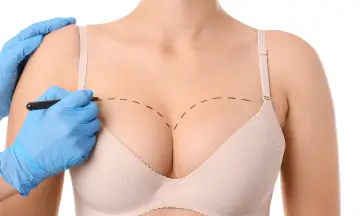
Breast upliftment, also known as mastopexy or a breast lift, is a cosmetic procedure designed to restore firmness and a youthful shape to sagging breasts. Whether due to aging, pregnancy, weight fluctuations, or genetic factors, sagging breasts can affect confidence
27 Sep 2024

Breast reduction surgery, also known as reduction mammoplasty, is a procedure designed to reduce the size and weight of large breasts. It can alleviate physical discomfort and enhance both physical appearance and self-esteem. Breast reduction surgery involves removing excess breast
27 Sep 2024

Liposuction, a popular fat removal surgery, has gained prominence as a cosmetic procedure aimed at reshaping and contouring the body. While it offers numerous benefits, it is essential to be aware of potential side effects. This blog delves
25 Oct 2023

Embarking on a journey towards plastic surgery requires careful planning and preparation. Undergoing plastic surgery is a significant decision that can bring about positive changes in one's life. Whether it's for cosmetic enhancements or reconstructive purposes, thorough preparation is essential
25 Oct 2023
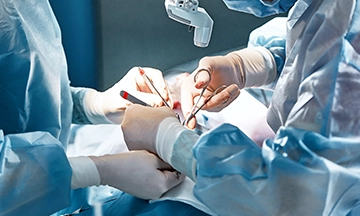
Plastic surgery has gained immense popularity in recent years, offering individuals the opportunity to enhance their appearance and improve their self-esteem. Whether it's a nose job, breast augmentation, or a facelift, people are increasingly turning to these procedures to achieve
16 Oct 2023
Enquire Now