

Home/Wellness Zone/Sakra Blogs

21st Jul, 2026
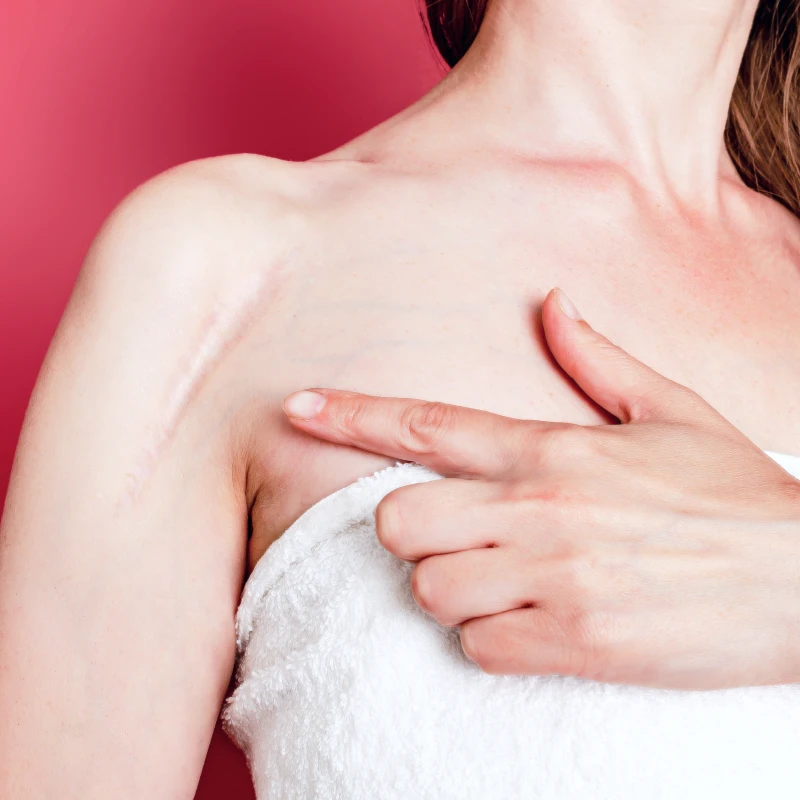
Scars are a natural part of healing, but that doesn’t mean you have to live with their appearance forever. Whether it’s a minor acne mark or a noticeable surgery scar, modern treatments offer effective ways to improve skin texture and appearance.
Today, plastic surgery for scars includes a wide range of solutions, from non-invasive procedures to advanced scar removal surgery. If you’re wondering how to remove scars safely and effectively, understanding these options can help you make the right decision.
Scars form when the skin repairs itself after damage. During the healing process, the body produces collagen fibers to close and protect the wound. However, this newly formed tissue is not identical to the surrounding skin, which is why scars often look different in color, texture, and thickness.
Common causes of scars include:
Acne breakouts that damage deeper skin layers
Severe or inflamed acne can penetrate deep into the skin, damaging underlying tissues. When these lesions heal, they often leave behind marks or indentations, commonly known as acne scars.
Cuts, burns, or injuries that affect skin structure
Any physical injury that goes beyond the surface layer of the skin can result in scar formation. Burns, in particular, may cause more prominent scars because they damage multiple layers of the skin.
Surgical procedures leading to a visible surgical scar
Surgeries require incisions, and as these wounds heal, a surgical scar forms. The size and visibility of the scar depend on the type of surgery, stitching technique, and post-operative care.
Skin infections or inflammation
Conditions like boils, cellulitis, or other skin infections can damage tissue and lead to scarring. Prolonged inflammation can also slow down healing and increase the risk of noticeable scars.
Improper wound healing or repeated irritation
Wounds that are not properly cared for or are repeatedly irritated by scratching, picking, or friction may heal poorly. This can lead to thicker, darker, or more visible scars.
The appearance of a scar is influenced by several factors, including skin type, age, genetics, and how well the wound heals. For example, younger skin tends to heal more quickly but may form thicker scars, while genetic factors can make some individuals more prone to raised scars like keloids.
Different scars require different scar removal treatments. Identifying the type is the first step.
Atrophic scars: These appear as sunken or depressed areas on the skin. They are commonly caused by acne or chickenpox and occur when there is a loss of tissue during healing.
Hypertrophic scars: These are raised scars that remain within the boundary of the original wound. They may improve over time but can remain thick and visible.
Keloid scars: Keloids are thick, raised scars that extend beyond the original wound. They may continue to grow and can sometimes cause itching or discomfort.
Contracture scars: Often caused by burns, these scars tighten the skin and may restrict movement, especially if they form near joints.
There is no single solution that works for all scars. Plastic surgeons recommend treatments based on scar type, depth, and skin condition.
Topical treatments: For mild scars, creams and gels are usually the first step. Silicone gel sheets are widely recommended because they help flatten and soften scars over time. Retinoid creams improve skin turnover, while vitamin C serums help reduce pigmentation. These treatments require consistency and patience, as results develop gradually.
Laser scar removal treatment: Laser therapy is one of the most effective modern scar removal treatments. It works by targeting damaged skin layers and stimulating collagen production. This helps reduce redness, smooth uneven texture, and improve overall skin tone. Multiple sessions are usually needed, but results can be long-lasting when done correctly.
Scar removal surgery: For deep or severe scars, scar removal surgery may be the most effective option. In this procedure, the surgeon removes the scar tissue and carefully closes the wound to create a less noticeable scar. This approach is especially useful for large surgical scars or scars that affect movement or appearance significantly.
Skin grafting and flap surgery: In extreme cases, such as severe burns, skin grafting may be required. Healthy skin is taken from another part of the body and used to cover the damaged area. Flap surgery involves moving nearby tissue to repair the affected region. These techniques are advanced forms of plastic surgery for scars and are used when other treatments are not sufficient.
Chemical peels: Chemical peels remove the top layer of damaged skin, allowing new and healthier skin to form. They are especially useful for superficial acne scars and pigmentation. Depending on the strength of the peel, recovery time can vary from a few days to a couple of weeks.
Microneedling: Microneedling involves creating tiny controlled injuries in the skin using fine needles. This process triggers collagen production and improves skin texture. It is particularly effective for acne scars and mild surgical scars. The procedure has minimal downtime and shows gradual improvement over multiple sessions.
Dermal fillers: For depressed scars, dermal fillers can be used to raise the skin to a more even level. The results are visible almost immediately, making this a popular choice for quick improvement. However, fillers are temporary and may require repeat treatments.
Steroid injections: Steroid injections are commonly used for raised scars like keloids and hypertrophic scars. They help reduce inflammation and flatten the scar over time. This treatment is often combined with other therapies for better results.
Selecting the right treatment is important for achieving the best results. A plastic surgeon will evaluate several factors, including:
The type and severity of the scar
Your skin type and sensitivity
The age of the scar
Your overall health and medical history
Early treatment often leads to better outcomes, especially for a recent surgery scar. Personalized treatment plans ensure safe and effective results.
Even before opting for advanced treatments, proper care can make a big difference in how a scar heals.
Keep the affected area clean and moisturized
Protect the skin from sun exposure using sunscreen
Avoid picking or scratching the scar
Follow all post-treatment or post-surgery instructions carefully
Maintain a healthy diet to support skin repair
Scars are a natural part of healing, but their appearance doesn’t have to be permanent. With advancements in scar removal treatment, there are now multiple ways to improve how scars look and feel.
From simple creams to advanced scar removal surgery, each option plays a role depending on the severity of the scar. If you are looking for the best way on how to remove scars, consulting a qualified plastic surgeon can help you choose the most suitable treatment.
With the right approach, smoother and clearer skin is definitely achievable.
1. Can scars be completely removed?
Scars cannot always be completely removed, but modern treatments can significantly reduce their appearance and make them less noticeable.
2. What is the best treatment for a surgery scar?
The best treatment depends on the scar. Options range from silicone gels and laser therapy to scar removal surgery for deeper scars.
3. Is scar removal surgery safe?
Yes, when performed by a qualified plastic surgeon, scar removal surgery is generally safe and effective.
4. How long does scar treatment take?
Treatment duration varies depending on the method used. Some treatments show improvement in weeks, while others may take several months.
5. When should I consult a plastic surgeon for scars?
You should consult a specialist if the scar is large, painful, growing, or affecting your confidence.
6. Do home remedies help in removing scars?
Home remedies may provide mild improvement, but professional scar removal treatment offers more noticeable and reliable results.

The shape of your nose plays an important role in defining your overall facial appearance. While no two noses are exactly the same, certain nose shapes are commonly recognized and categorized based on their structure. Some people are happy
28 Jul 2026
Rhinoplasty, often called a “nose job,” is one of the most popular types of cosmetic surgery today. Many people think it’s only done to improve appearance, but in reality, rhinoplasty can also help people breathe better and feel more confident. The
13 Aug 2025
Rhinoplasty, commonly known as a “nose job,” is a surgical procedure designed to reshape the nose for aesthetic or functional purposes. Whether enhancing facial harmony, correcting breathing issues, or repairing damage from trauma, rhinoplasty has become one of the most
31 Dec 2024
Breast upliftment, also known as mastopexy or a breast lift, is a cosmetic procedure designed to restore firmness and a youthful shape to sagging breasts. Whether due to aging, pregnancy, weight fluctuations, or genetic factors, sagging breasts can affect confidence
27 Sep 2024

Breast reduction surgery, also known as reduction mammoplasty, is a procedure designed to reduce the size and weight of large breasts. It can alleviate physical discomfort and enhance both physical appearance and self-esteem. Breast reduction surgery involves removing excess breast
27 Sep 2024

Liposuction, a popular fat removal surgery, has gained prominence as a cosmetic procedure aimed at reshaping and contouring the body. While it offers numerous benefits, it is essential to be aware of potential side effects. This blog delves
25 Oct 2023
Embarking on a journey towards plastic surgery requires careful planning and preparation. Undergoing plastic surgery is a significant decision that can bring about positive changes in one's life. Whether it's for cosmetic enhancements or reconstructive purposes, thorough preparation is essential
25 Oct 2023
Plastic surgery has gained immense popularity in recent years, offering individuals the opportunity to enhance their appearance and improve their self-esteem. Whether it's a nose job, breast augmentation, or a facelift, people are increasingly turning to these procedures to achieve
16 Oct 2023
Plastic surgery has come a long way since its inception, and recent advances in technology have taken the field to new heights. These innovations have not only made procedures safer and more effective, but they have also opened up new
10 Apr 2023
Enquire Now