Home/Wellness Zone/Sakra Blogs

28th Jul, 2026
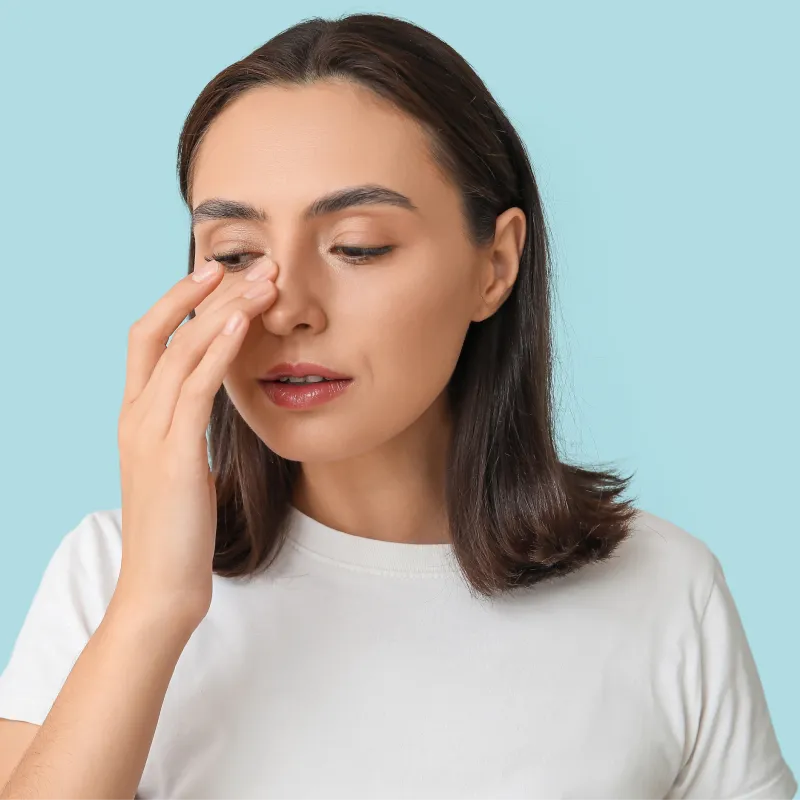
The shape of your nose plays an important role in defining your overall facial appearance. While no two noses are exactly the same, certain nose shapes are commonly recognized and categorized based on their structure. Some people are happy with their natural features, while others may consider surgical options to improve appearance or correct functional issues. Understanding different nose shapes and available treatment options can help you make a more informed decision.
There are several nose shapes that are widely identified based on their bridge, tip, and nostril structure. Each has its own unique characteristics and aesthetic appeal.
Roman Nose (Aquiline Nose): This type of nose has a prominent and slightly curved bridge, often giving it a strong and defined appearance. It is usually associated with a bold facial profile and is considered a distinguished feature in many cultures.
Button Nose: A button nose is small with a rounded tip and a soft contour. It often creates a delicate and youthful look and is commonly considered aesthetically pleasing due to its subtle appearance.
Nubian Nose: This nose shape is characterized by a longer bridge and a wider base with broad nostrils. It is commonly seen among individuals of African descent and adds a unique balance to facial features.
Hawk Nose: The hawk nose features a sharp and prominent curve, resembling a bird’s beak. It gives the face a striking and dramatic look, often making it a defining facial characteristic.
Snub Nose: A snub nose is shorter in length with a slightly upturned tip. This shape is often associated with a cheerful and youthful facial expression.
Greek Nose (Straight Nose): This nose has a straight bridge without any bumps or curves. It is often considered the “ideal” nose shape in classical beauty standards due to its symmetry and clean lines.
Bulbous Nose: A bulbous nose has a rounded and fuller tip, often caused by thicker skin or cartilage. It may appear wider and less defined compared to other nose types.
Crooked Nose: A crooked nose appears asymmetrical or slightly bent. This can be due to genetics, injury, or a deviated septum, and may also be associated with breathing difficulties.
People choose nose surgery for a variety of reasons, ranging from cosmetic improvements to medical needs. The decision is often influenced by how the nose affects both appearance and function.
To improve facial symmetry and balance
To reduce or reshape the nasal bridge or tip
To correct breathing issues caused by structural problems
To repair deformities from injury or trauma
To enhance self-confidence and overall appearance
There are different types of rhinoplasty procedures available depending on the patient’s goals and medical condition. Each type serves a specific purpose and is chosen based on individual needs.
Cosmetic Rhinoplasty: This procedure is performed to enhance the appearance of the nose. It may involve reshaping the bridge, refining the nasal tip, narrowing the nostrils, or adjusting overall proportions to better match the face.
Functional Rhinoplasty: Functional rhinoplasty focuses on improving breathing and nasal function. It is often done to correct structural issues such as a deviated septum or nasal obstruction.
Open Rhinoplasty: In this technique, a small incision is made on the tissue between the nostrils. This allows the surgeon better visibility and access, making it ideal for complex reshaping procedures.
Closed Rhinoplasty: All incisions are made inside the nose in this approach, leaving no visible scars. It is generally used for less complicated procedures and offers a quicker recovery time.
Non-Surgical Rhinoplasty (Liquid Rhinoplasty): This is a non-invasive option that uses dermal fillers to make minor adjustments. It can smooth out small bumps, improve symmetry, or enhance the nose shape without surgery. However, the results are temporary.
Recovery after nose surgery varies depending on the type of procedure and individual healing capacity. Understanding the recovery process helps set realistic expectations.
Swelling and bruising are common during the first one to two weeks
Most patients can return to normal activities within 7 to 10 days
Final results may take several months as swelling gradually subsides
Following the surgeon’s aftercare instructions is crucial for proper healing
Like any surgical procedure, rhinoplasty carries certain risks. Being aware of these helps patients make informed decisions and prepare adequately.
Temporary swelling, bruising, or discomfort
Risk of infection or bleeding, though uncommon
Possibility of breathing difficulties if healing is not optimal
In some cases, revision surgery may be required for desired results
Choosing an experienced and qualified surgeon significantly reduces these risks and improves the chances of a successful outcome.
Every nose shape is unique and contributes to the overall harmony of the face. While surgical options can enhance appearance and correct functional issues, it is important to have realistic expectations and prioritize safety. Consulting a skilled specialist can help you understand what changes are possible and what approach is best suited to your facial structure.
Ultimately, the goal of any procedure should be to enhance natural beauty while maintaining balance and proportion.
1. What is the most common nose shape?
Straight and slightly rounded noses are commonly seen across many populations. Nose shape can vary based on genetics and ethnicity.
2. Can nose shape be changed without surgery?
Yes, minor changes can be done using fillers in non-surgical rhinoplasty. These results are temporary and usually last for a limited time.
3. Is rhinoplasty painful?
The procedure is done under anesthesia, so there is no pain during surgery. Mild discomfort after surgery can be managed with medication.
4. How long does recovery take after nose surgery?
Most people recover within 1 to 2 weeks for daily activities. Final results may take a few months to fully appear.
5. Is nose surgery permanent?
Yes, rhinoplasty results are generally permanent. Natural aging can still affect the nose over time

Scars are a natural part of healing, but that doesn’t mean you have to live with their appearance forever. Whether it’s a minor acne mark or a noticeable surgery scar, modern treatments offer effective ways to improve skin texture
21 Jul 2026
Rhinoplasty, often called a “nose job,” is one of the most popular types of cosmetic surgery today. Many people think it’s only done to improve appearance, but in reality, rhinoplasty can also help people breathe better and feel more confident. The
13 Aug 2025
Breast upliftment, also known as mastopexy or a breast lift, is a cosmetic procedure designed to restore firmness and a youthful shape to sagging breasts. Whether due to aging, pregnancy, weight fluctuations, or genetic factors, sagging breasts can affect confidence
27 Sep 2024

Breast reduction surgery, also known as reduction mammoplasty, is a procedure designed to reduce the size and weight of large breasts. It can alleviate physical discomfort and enhance both physical appearance and self-esteem. Breast reduction surgery involves removing excess breast
27 Sep 2024

Liposuction, a popular fat removal surgery, has gained prominence as a cosmetic procedure aimed at reshaping and contouring the body. While it offers numerous benefits, it is essential to be aware of potential side effects. This blog delves
25 Oct 2023
Embarking on a journey towards plastic surgery requires careful planning and preparation. Undergoing plastic surgery is a significant decision that can bring about positive changes in one's life. Whether it's for cosmetic enhancements or reconstructive purposes, thorough preparation is essential
25 Oct 2023
Plastic surgery has gained immense popularity in recent years, offering individuals the opportunity to enhance their appearance and improve their self-esteem. Whether it's a nose job, breast augmentation, or a facelift, people are increasingly turning to these procedures to achieve
16 Oct 2023
Plastic surgery has come a long way since its inception, and recent advances in technology have taken the field to new heights. These innovations have not only made procedures safer and more effective, but they have also opened up new
10 Apr 2023
Opting for cosmetic surgery is a significant step towards enhancing the appearance and health of your skin. To ensure a quick recovery and optimal outcomes, it's crucial to provide special attention and care to your skin in the initial days
21 Mar 2023
Enquire Now