
Home/Wellness Zone/Sakra Blogs

9th Dec, 2025
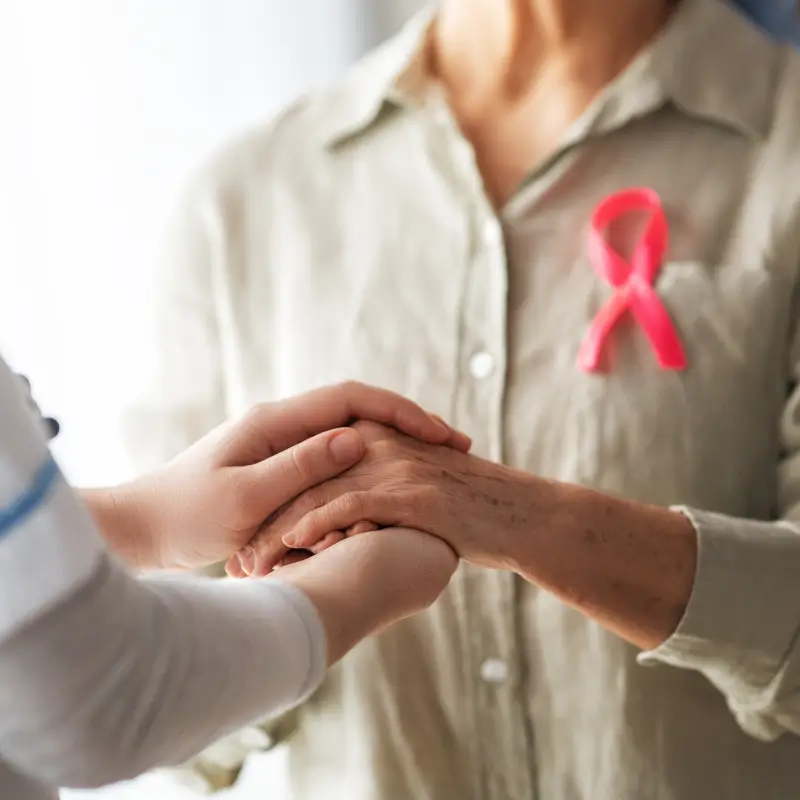
Breast cancer develops when cells in the breast grow uncontrollably and form a lump or tumor. It can start in different parts of the breast, such as the ducts, lobules, or surrounding tissues. While it mostly affects women, men can also develop breast cancer. Regular breast self-exams and screening tests can help detect problems early, which greatly improves the chance of successful treatment.
Different people experience different symptoms. Some may not feel any discomfort at all in the early stages. Still, the most common breast cancer symptoms include:
A lump, swelling, or thickening in the breast or underarm
Noticeable change in breast shape or size
Sudden skin changes like dimpling, peeling, or scaling
Nipple turning inward or a change in its shape
Unusual nipple discharge, especially if it is bloody
Redness, rash, or warmth in the breast
Pain in a specific part of the breast that doesn’t go away
Breast cancer is not a single disease. Each type behaves differently and requires its own treatment approach. Common types include:
Ductal Carcinoma in Situ (DCIS): A very early-stage cancer where the cells stay inside the milk ducts.
Invasive Ductal Carcinoma (IDC): The most common invasive cancer that spreads into nearby tissues.
Invasive Lobular Carcinoma (ILC): Begins in lobules and may spread to other parts of the body.
Triple-Negative Breast Cancer (TNBC): Faster growing and does not respond to hormone therapy or HER2-targeting drugs.
HER2-Positive Breast Cancer: Cancer grows rapidly due to high levels of the HER2 protein, but can be treated with targeted drugs.
Inflammatory Breast Cancer: A rarer form that causes swelling and redness without a noticeable lump.
There is no single answer to what causes breast cancer. Often, many factors combine over time. Some known risk factors are:
Family history of breast cancer
Genetic mutations such as BRCA1 and BRCA2
Age (risk increases as you get older)
Early menarche or late menopause
Previous history of chest radiation therapy
Long-term hormone replacement therapy
Lack of physical activity and excess body weight
Smoking and excessive alcohol consumption
Reducing lifestyle-related risks like maintaining a healthy weight, staying active, and avoiding alcohol can help lower the chances.
Breast cancer treatment is often personalized based on the stage, type, and the patient’s overall health. Treatment may include one or a mix of the following:
Surgery: Removes cancerous tissue. It may involve removing only the lump or the entire breast, depending on the stage.
Radiation Therapy: Kills remaining cancer cells after surgery using high-energy rays.
Chemotherapy: Medication given through a vein or tablets to destroy cancer cells.
Hormone Therapy: Limits cancer growth by blocking hormones like estrogen and progesterone.
Targeted Therapy: Precisely attacks cancer cells with specific properties, such as HER2-positive cells.
Immunotherapy: Helps the immune system attack cancer cells. Activates the patient's own immune system to mount a response against the cancer cell.
Breast cancer is one of the most common cancers, but many people recover with timely detection and proper treatment. Paying attention to any unusual changes in the breasts and attending regular screenings can make a big difference. Awareness, early diagnosis, and improved treatment options continue to save lives every day. If you ever feel something isn’t right, trust your instincts and talk to a healthcare professional.
1. What is usually the first sign of breast cancer?
A painless lump in the breast or underarm is one of the most common early signs.
2. Can men get breast cancer?
Yes, although it is rare, men also have breast tissue and can develop breast cancer.
3. How often should I get a mammogram?
Women above 40 should have a yearly mammogram unless advised otherwise based on risk factors.
4. Does every breast lump mean cancer?
No. Most lumps are benign, but every new lump should be checked by a doctor.
5. Can lifestyle changes help prevent breast cancer?
Healthy habits like maintaining a healthy weight, limiting alcohol, and staying active can help reduce risk.
Over the past decade, cancer treatment has undergone a remarkable transformation. Advances in medical research, molecular biology, and technology have changed the way we diagnose, treat, and monitor cancer. Today, oncology is no longer limited to one-size-fits-all chemotherapy. Instead, we
20 Feb 2026
Immunotherapy is an advanced form of cancer treatment that harnesses the body’s own immune system to recognize and destroy cancer cells. Unlike chemotherapy or radiation, which directly target cancer cells, immunotherapy strengthens or “releases the brakes” on the immune
18 Feb 2026
When someone is diagnosed with cancer, the next big question is usually about the stage. Doctors use staging to understand how far the cancer has spread, how serious it is, and what type of treatment is needed. Knowing the
9 Dec 2025
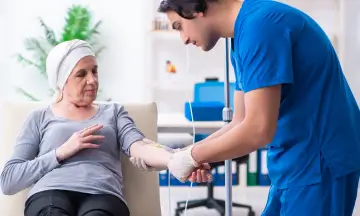
Chemotherapy is a key treatment that helps millions of people fight cancer every year. It works by destroying fast-growing cancer cells. However, healthy cells that also grow and divide quickly can be affected, too. This is why chemotherapy side
9 Dec 2025
According to the latest report, cervical cancer is a growing concern for women's health in India and affecting around 1,22,844 women every year. In fact, India accounts for approximately one-third of the global cervical cancer-related deaths. Cervical cancer begins due
20 May 2021
Enquire Now