Home/Wellness Zone/Sakra Blogs

9th Dec, 2025
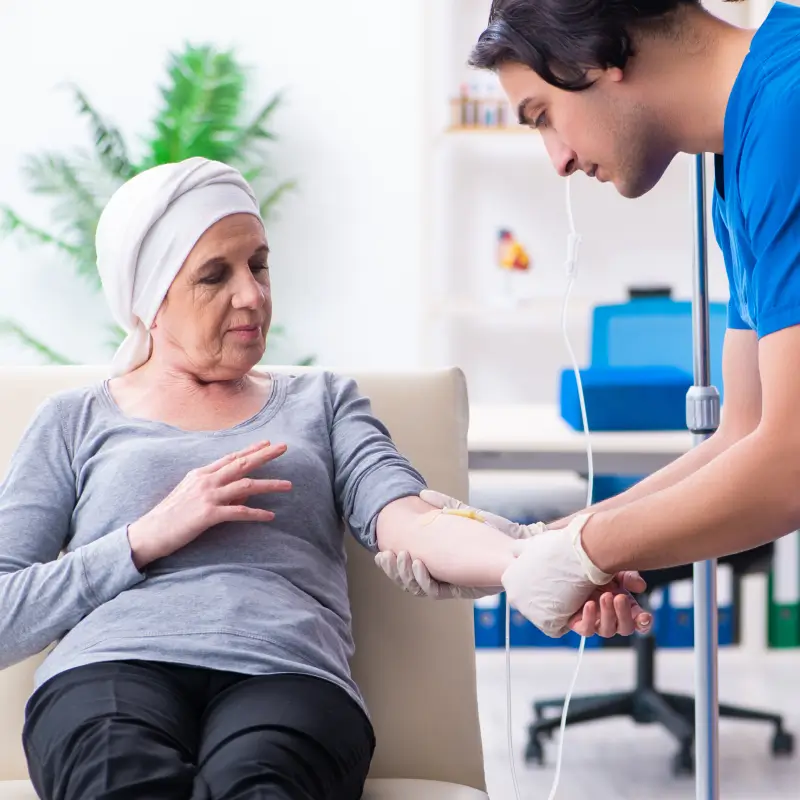
Chemotherapy is a key treatment that helps millions of people fight cancer every year. It works by destroying fast-growing cancer cells. However, healthy cells that also grow and divide quickly can be affected, too. This is why chemotherapy side effects occur. The experience is different for everyone. Some patients may face only a few symptoms, while others deal with more noticeable changes during and after treatment.
Understanding what to expect and how to manage the chemo side effects can help patients feel more prepared and supported throughout treatment.
Chemotherapy targets fast-growing cells. While this is effective against cancer, other parts of the body, such as the mouth, stomach, skin, hair roots, and bone marrow, also have cells that multiply quickly. When these are affected, the effects of chemotherapy begin to show physically and emotionally. But the goal remains strong: shrink tumors, stop cancer growth, and help patients recover.
Below are some of the most common symptoms people may experience:
Extreme tiredness is the most common complaint. The body uses a lot of energy to heal and recover during treatment. Short naps, balanced meals, and gentle activity may help manage fatigue.
Hair follicles are affected, causing hair to thin or fall out. This often starts a few weeks into treatment and also most importantly not all chemo drugs cause hair loss. The good news is that hair almost always grows back once chemotherapy is completed.
These chemo side effects can happen soon before, during or after treatment sessions. Anti-nausea medicines, hydration, and smaller light meals often help control this.
Food may not taste the same, and appetite may reduce. Eating small meals throughout the day and focusing on nutritious, calorie-rich foods can help maintain strength.
The inner lining of the mouth can become sensitive or develop ulcers. Avoid spicy and acidic foods, and maintain soft oral hygiene practices like soft bristle brush and Chlorhexidine mouth gargles 4-6 times a day .
Bone marrow activity may drop, which affects:
Red blood cells: can cause anemia and tiredness
White blood cells: increase infection risk
Platelets: increases risk of bleeding or bruising
Doctors check blood counts regularly and may provide medication to improve them.
Dryness, itching, rashes, or nail darkening can occur. Moisturizing and protecting skin from sunlight is helpful.
Some may experience constipation while others face diarrhea. Drinking enough water, managing diet, and using prescribed medications help relieve discomfort.
Many people notice short-term issues with memory, focus, and multitasking. This usually improves after completing treatment. Brain exercises, good sleep, and stress reduction support sharper thinking.
Chemotherapy does not affect only the body. It may also lead to emotional changes such as anxiety, sadness, mood swings, or fear about the future. Support from family, counselors, and cancer support groups can help patients cope with these feelings.
Side effects are often temporary and treatable. Here are some practical steps that may help:
Eat fresh, nutritious meals and stay hydrated
Prioritize rest and pace daily tasks
Stay active with simple exercises like walking
Maintain good oral hygiene to prevent mouth discomfort
Keep hands and skin moisturized
Avoid infections by practicing good hand hygiene
Communicate every symptom with your care team
Take medicines as prescribed, especially for nausea or pain
Use wigs, scarves, or hats if hair loss affects confidence
While many symptoms are mild, some require urgent medical attention. Seek help if you have:
Fever or chills
Persistent vomiting or severe diarrhea
Heavy bleeding or easy bruising
Sudden breathing difficulty
Chest pain
Severe weakness
Any symptom that feels unusual or rapidly worsening
Once treatment ends, the body begins to recover. Healthy cells rebuild. Energy slowly returns. Hair grows back. Appetite improves. Most after effects of chemotherapy fade with time, though some may take months to resolve.
Regular follow-ups are important to monitor recovery and long-term well-being. Some people may deal with lingering fatigue or emotional stress, but support groups and rehabilitation therapies help them regain confidence.
Chemotherapy is a big challenge, both physically and mentally. But every day of treatment is a step closer to better health. Many patients come out stronger, with a deeper appreciation of life and the courage to move forward. Patience, self-care, and support from loved ones can make a meaningful difference during this healing period.
1. Do all chemotherapy patients experience side effects?
Not everyone has the same reactions. Some may have very few symptoms, while others have more noticeable ones.
2. How long do chemotherapy side effects last?
Most side effects improve once treatment stops. Some may take weeks or months to fully resolve.
3. Is hair loss permanent?
Hair loss during chemotherapy is temporary in most cases. Hair usually starts growing back a few weeks after treatment ends.
4. Can I work during chemotherapy?
Yes, if you feel well enough. It depends on energy levels, job demands, and treatment schedule.
5. How can nausea be controlled?
Doctors prescribe effective anti-nausea medications. Eating light meals and staying hydrated also helps
Over the past decade, cancer treatment has undergone a remarkable transformation. Advances in medical research, molecular biology, and technology have changed the way we diagnose, treat, and monitor cancer. Today, oncology is no longer limited to one-size-fits-all chemotherapy. Instead, we
20 Feb 2026
Immunotherapy is an advanced form of cancer treatment that harnesses the body’s own immune system to recognize and destroy cancer cells. Unlike chemotherapy or radiation, which directly target cancer cells, immunotherapy strengthens or “releases the brakes” on the immune
18 Feb 2026
Breast cancer develops when cells in the breast grow uncontrollably and form a lump or tumor. It can start in different parts of the breast, such as the ducts, lobules, or surrounding tissues. While it mostly affects women, men
9 Dec 2025
When someone is diagnosed with cancer, the next big question is usually about the stage. Doctors use staging to understand how far the cancer has spread, how serious it is, and what type of treatment is needed. Knowing the
9 Dec 2025
According to the latest report, cervical cancer is a growing concern for women's health in India and affecting around 1,22,844 women every year. In fact, India accounts for approximately one-third of the global cervical cancer-related deaths. Cervical cancer begins due
20 May 2021
Enquire Now