

Home/Wellness Zone/Sakra Blogs

14th Mar, 2017

Kidney Disease is often thought to be a rare occurrence and one can really not see it coming as in most of the cases 90% of the kidney function is already lost by the time any significant symptoms appear. It is also assumed that kidney disease manifests primarily in old age. It is important to know that these are serious myths about kidney disease that need to be addressed. Especially when one has a pre-existing condition that increases the risk of developing kidney disease. Some of the major risk factor to look out for include:
Hypertension
Family history of kidney diseases
Habits like cigarette smoking
Other kidney problems like – recurrent urinary tract infections, stones and tumors, etc.
Overweight/Obesity & Kidney Disease
600 million people worldwide are affected by obesity
Individuals affected by obesity have 83% higher risk of developing kidney disease.
24.9% of CKD in women is associated with obesity and overweight.
13.8% of CKD in men is associated with obesity and overweight.
CLEARLY, obesity contributes to be one of the major risk factors in the occurrence of kidney disease. Obesity itself can directly lead to CKD because in obese people the BMI being high, the kidneys have to work harder to meet the higher metabolic demands of the body by filtering beyond the normal values – hyperfilteration. Indirectly obesity contributes to the development of diabetes, hypertension and dyslipidemia that is altered lipid metabolism which in turn lead to kidney diseases.
Obesity and Overweight
Both Obesity and overweight can be defined as an excessive or abnormal accumulation of fat that affects the overall health of the body.
Body mass index (BMI) is an index of weight-for-height that is used to classify overweight and obesity in adults. It is defined as a person's weight in kilograms divided by the square of his height in meters (kg/m2).
In Adults
BMI greater than or equal to 25 is categorized as Overweight and
BMI greater than or equal to 30 as Obesity
What causes obesity and overweight?
One of the fundamental causes of obesity and overweight is an energy imbalance between calories consumed and calories expended which are often due to some the following factors:
An increased intake of energy-dense foods that are high in fat
An increase in physical inactivity due to the increasingly sedentary nature of many forms of work, changing modes of transportation and increasing urbanization
Genetic and endocrine conditions
Sometimes medication
Why is CKD awareness important for a person who is overweight or obese?
Obesity or excess weight are both preventable with a few lifestyle changes and weight reduction. These changes not only provide prevention and reduce the risks, but also in some cases cure chronic diseases like diabetes, high blood pressure, cardiovascular disease and CKD. Therefore, all individuals with obesity especially those with diabetes and high blood pressure should regularly monitor their – blood sugar, blood pressure, serum creatinine levels and urine tests for protein leak.
How can obesity and overweight be managed to prevent or reduce the risk of CKD?
The integration of a healthy diet, physical activity and refreshing sleep is the focus of management of obese and overweight people.
Healthy Diet
Rather than opting for extreme diets opt for small portion meals
Substitute water or fresh fruit juices for sugary aerated drinks
Limit energy intake from total fats and sugars;
Limit protein and sodium intake
Salt consumption should be limited especially in people with high blood pressure
Increase consumption of fruit and vegetables, as well as legumes, whole grains and nuts
Physical activity
Physical activity is crucial to successful healthy weight reduction. Exercise increases energy expenditure, promotes weight-loss and helps sustain a healthy weight.
Inactivity is unhealthy and should be avoided
Engage in regular physical activity (60 minutes a day for children and 150 minutes spread through the week for adults)
Sleep
Adequate sleep promotes the maintenance of a healthy weight.
Most individuals require about seven hours of sleep each night
Prevent irregular sleep patterns
Avoid eating before going to sleep

The prostate is a small gland that plays a big role in men’s reproductive health. As men age, maintaining good prostate health becomes increasingly important to prevent issues like enlargement, inflammation, or more serious conditions. If you’re wondering how
21 Sep 2026

Kidney stones are a common and painful condition that occurs when minerals and salts build up in the kidneys and form hard deposits. Your diet plays a major role in their development, which is why understanding foods to avoid
21 Sep 2026

Dysuria, commonly known as painful urination, is a condition where you feel discomfort, burning, or pain while passing urine. It can affect both men and women and is often a sign of an underlying issue such as infection, irritation,
18 Jun 2026

Kidney stones are no longer a condition seen only in older adults. Due to changing lifestyles and dietary habits, an increasing number of young individuals, including those below 20 years of age, are being diagnosed with this painful condition.
17 Jun 2026

Urology robotic surgery is an advanced, minimally invasive surgical approach used to treat conditions affecting the urinary tract and male reproductive organs. In this technique, surgeons use a robotic-assisted system to perform delicate procedures with enhanced precision and
10 Mar 2026
Every year, World Kidney Day reminds us to pause and think about something we rarely notice until there is a problem, our kidneys. In 2026, this global health day once again focuses on spreading awareness about kidney disease,
5 Mar 2026

Epithelial cells are specialized cells that form the lining of various structures in the body, including the skin, internal organs, and the urinary tract. Their presence in urine is common, as some shedding is normal. However, an excessive number may
14 Mar 2025
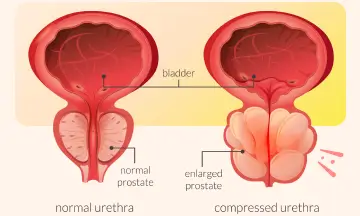
Benign Prostatic Hyperplasia (BPH), commonly known as an enlarged prostate, is a condition that affects many men as they age. It can lead to uncomfortable urinary symptoms that interfere with daily life. While traditional treatments like medications and surgery exist,
28 Feb 2025
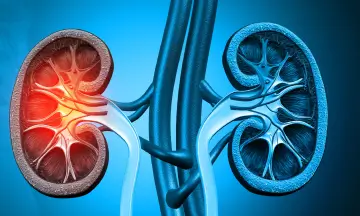
A donor nephrectomy is a surgical procedure performed to remove a kidney from a healthy donor for transplantation into a recipient suffering from end-stage renal disease (ESRD). This procedure allows patients with kidney failure to receive a functioning kidney, significantly
28 Feb 2025
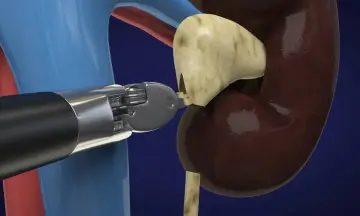
Robotic Pyeloplasty is an advanced, minimally invasive surgical procedure used to treat ureteropelvic junction (UPJ) obstruction, a condition where the flow of urine from the kidney to the bladder is blocked or restricted. This robotic-assisted technique has revolutionized pyeloplasty, offering
27 Feb 2025
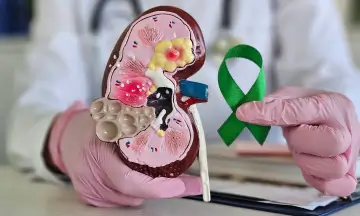
Partial nephrectomy is a surgical procedure used to remove a portion of a diseased or cancerous kidney while preserving as much healthy tissue as possible. This procedure is primarily performed to treat kidney tumors, allowing the remaining kidney tissue
27 Feb 2025
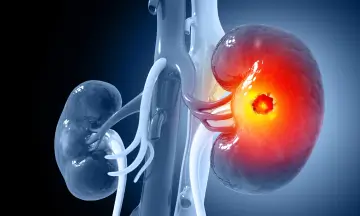
A kidney transplant is a medical procedure that involves replacing a diseased kidney with a healthy one from a donor. This life-saving surgery is often the best treatment for patients suffering from end-stage kidney disease (ESKD) or chronic kidney failure.
27 Feb 2025
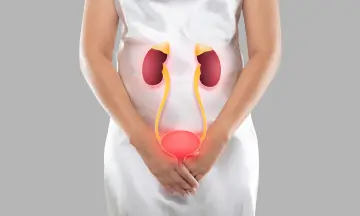
Female incontinence, or the involuntary loss of bladder control, affects millions of women worldwide and can significantly impact daily life, confidence, and overall well-being. This condition can vary from minor leakage when sneezing or laughing to a sudden and overwhelming
15 Nov 2024
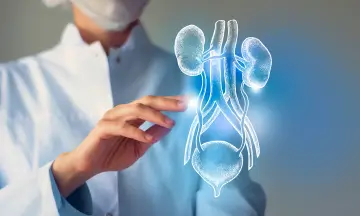
Uro cancer or more precisely Urothelial cancer, is a type of cancer that primarily affects the urinary system, including the bladder, ureters, kidneys, and urethra. This group of cancers belongs to the category of urothelial carcinoma, a common type of
15 Nov 2024

Bladder cancer is one of the most common types of cancer, particularly among older adults. It begins in the bladder cells and can spread to other areas if not detected and treated early. Recognizing its symptoms, understanding risk factors, and
15 Nov 2024
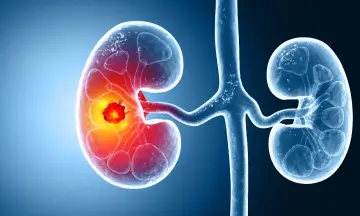
Kidney cancer or renal cancer, is the type of cancer that originates in the kidneys, the organs responsible for filtering excess and waste fluid from the blood. The most common form of kidney cancer is known as renal cell
15 Nov 2024

Urinary Tract Infections (UTIs) are a common and uncomfortable problem, particularly among women. The infection occurs when bacteria enter the urinary tract and multiply, leading to symptoms such as a frequent urge to urinate, pain during urination, and cloudy or
9 Aug 2024
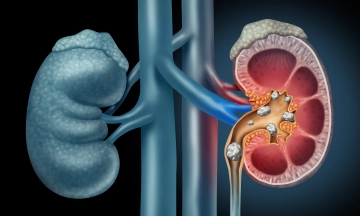
Kidney stones, solid deposits of minerals and salts that form in the kidneys, can cause intense pain and discomfort. While severe cases may require medical intervention, several home remedies can help manage and even prevent kidney stones. Understanding Kidney Stones Kidney stones
7 Aug 2024
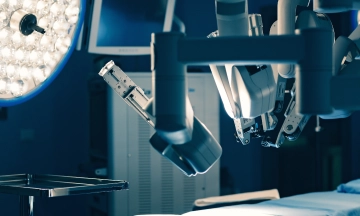
The field of urology has seen significant advancements in recent years, particularly with the advent of robotic-assisted surgeries. These technological innovations have dramatically improved the treatment of urological cancers, offering patients less invasive options, faster recovery times, and better outcomes. Understanding
4 Jul 2024

Prostate health is a critical concern for men, particularly as they age. Prostate cancer is one of the most common cancers among men, and benign prostatic hyperplasia (BPH) affects many older men, leading to various urinary issues. The advent of
4 Jul 2024
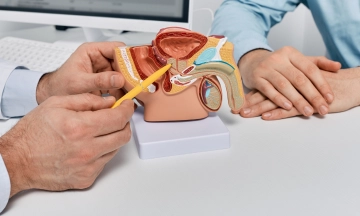
Prostate health is a critical issue for men, especially as they age. Benign Prostatic Hyperplasia (BPH), a non-cancerous enlargement of the prostate gland, affects a significant portion of the male population over the age of 50. This condition can lead
1 Jul 2024
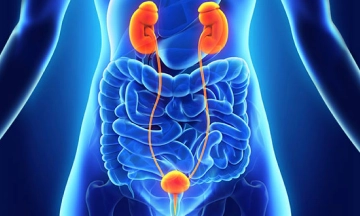
The sudden onset of excruciating pain in the lower back or abdomen can be a sign of a common and often underestimated condition - kidney stones. This intense discomfort, known as ureteric colic, is caused by the passage of kidney
12 Feb 2024

Bladder health is often taken for granted until problems arise. The bladder is a crucial part of the urinary system, responsible for storing and expelling urine. When the bladder functions properly, it allows us to maintain control over our urinary
2 Nov 2023

In the realm of medical advancements, bladder-sparing surgeries have emerged as a groundbreaking approach for treating bladder cancers. Traditional treatment options often involve complete removal of the bladder (cystectomy), which can significantly impact a patient's quality of life. Bladder-sparing surgeries
11 Sep 2023

Advancements in medical technology and surgical techniques have led to significant improvements in the treatment of kidney tumors. Kidney tumors, also known as renal tumors, can be benign or malignant growths that develop within the kidneys. Traditionally, the treatment approach
11 Sep 2023

Erectile dysfunction is a medical condition that involves the incapacity to attain or uphold an erection that is adequate for sexual intercourse. This condition can affect individuals of any age group, but it is frequently observed in men who are
9 May 2023

Renal transplantation is a medical procedure that involves transplanting a healthy kidney from a donor to a patient whose kidneys have failed due to chronic kidney disease or other medical conditions. This procedure has proven to be much better than
4 May 2023
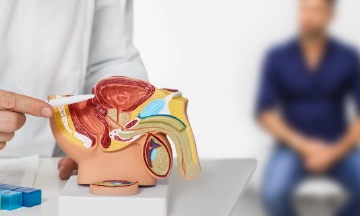
Prostate cancer refers to a form of cancer that develops within the male reproductive system's prostate gland. This cancer is the second most common cancer in men worldwide and is usually diagnosed in men who are over 60 years of
27 Mar 2023

Imagine the misery, a 13-year-old boy has to go through, if he is unable to control his urination in front of his friends, family and in a social gathering and helplessly wets his pants and smells pungent every time he
20 May 2021
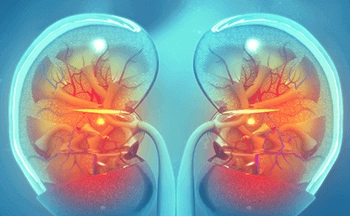
The kidneys are parts of your body whose function is to filter and remove excess waste, minerals and fluid and regulate blood pressure. However, there are situations when your kidney is unable to perform this filtering ability and that is
5 Feb 2019

Kidney Disease is often thought to be a rare occurrence and one can really not see it coming as in most of the cases 90% of the kidney function is already lost by the time any significant symptoms appear. It
14 Mar 2017
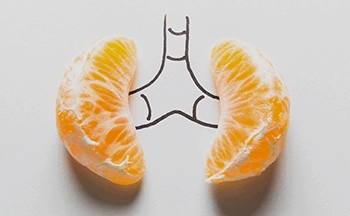
The kidneys are bean-shaped organs, each roughly the size of a fist. They are two in number and located one on each side of the backbone deep in the abdominal cavity, beneath the rib cage. Kidneys do many functions to keep
17 Jan 2017
Enquire Now