
Home/Wellness Zone/Sakra Blogs

17th Dec, 2025
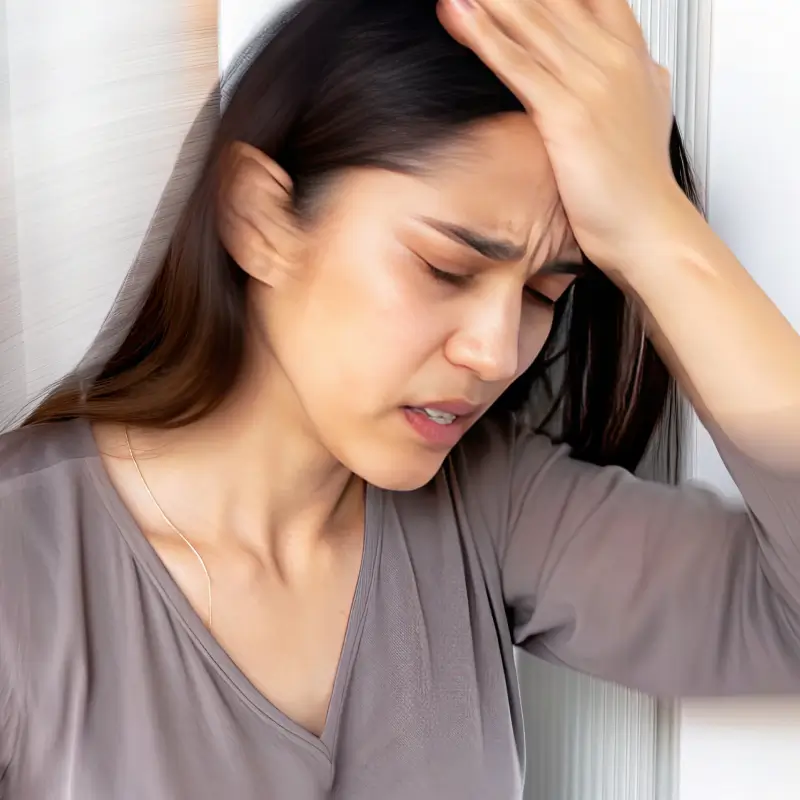
Vertigo is a sensation that makes you feel like the world around you is spinning, or you are moving when you are actually still. It isn’t a disease by itself, but a symptom of an underlying problem in the inner ear, brain or sensory pathways. Many people describe vertigo as feeling off balance, dizzy or pulled to one side. These episodes can last a few seconds, minutes or even hours depending on the underlying cause. Understanding what vertigo is, its symptoms, causes, and types can help you seek the right care at the right time.
Vertigo can look different from person to person. Some describe as
Loss of balance or unsteadiness (imbalance)
Lightheadedness or presyncope
Feeling of being pushed.
Associated symptoms
Difficulty focusing the eyes
Ringing in the ears
Sweating or feeling faint
Sensitivity to light and sound
Decreased hearing
Several conditions can trigger vertigo. Some of the most common vertigo causes include:
1. Inner Ear Problems
The inner ear helps control balance. When it gets disturbed, vertigo can happen.
Benign Paroxysmal Positional Vertigo (BPPV): Caused by tiny crystals in the inner ear shifting out of place. It triggers short, sudden spinning episodes when you change head position.
Labyrinthitis: An inner ear infection that leads to dizziness, vertigo and hearing loss.
Vestibular Neuritis: Inflammation of the vestibular nerve, often due to viral infection, causing intense vertigo without hearing loss.
Ménière’s Disease: A condition causing vertigo, ringing in the ears and fluctuating hearing loss due to fluid buildup in the inner ear.
2. Brain-Related Causes
Issues in the central nervous system can also cause vertigo:
Migraine-associated vertigo
Stroke or mini-stroke
Multiple sclerosis
Tumors or nerve compression
3. Other Possible Causes
Low blood pressure
arrhythmias
Anxiety or panic attacks
Head injury
Certain medications
Knowing the cause is important because treatment varies widely depending on what triggers your symptoms.
Seek medical help if you have:
Repeated or worsening vertigo episodes
Vertigo with severe headache
Vision changes, slurred speech or weakness
Vertigo after a head injury
Hearing loss or ringing in the ears
These signs may point to something more serious.
Vertigo can affect your daily activities and confidence, but understanding what is vertigo, its symptoms, causes, and types can make it easier to manage. In most cases, especially peripheral vertigo, it improves with proper diagnosis and treatment. If vertigo is disrupting your life, don’t ignore it. Early care can help you regain balance and feel steady again.
1. What does vertigo actually feel like?
Most people describe it as a spinning or swaying feeling, like the room is moving even when you’re still.
2. What is the main cause of vertigo?
Inner ear problems are the most common cause, especially BPPV, infections or fluid imbalance in inner ear
3. How do I know if I have vertigo or just dizziness?
Dizziness is a feeling of lightheadedness. Vertigo feels like spinning of self or surrounding.
4. Can stress or anxiety cause vertigo?
Yes, they can trigger or worsen vertigo episodes, especially if you already have a balance issue.
5. What are the warning signs that vertigo is serious?
Trouble walking, vision changes, slurred speech, weakness of one side or sudden severe headache

Consultant – Ear, Nose & Throat (ENT), Allergologist, and Vertigo Specialist
Book an Appointment
When periods become irregular, most people think of stress, PCOS, or dietary changes. While these are common causes, there can be less obvious factors at play. One surprising contributor could be something as simple as a persistently blocked nose.
3 Jul 2026

Snoring might seem like a harmless nuisance at first, but over time it can disturb your sleep, affect your partner, and even point to deeper health concerns like obstructive sleep apnea (OSA). While many people blame the throat, the
3 Jul 2026

Food allergies are becoming more common, and many people struggle to understand why certain foods trigger reactions while others don’t. A food allergy happens when the immune system reacts strongly to specific foods, thinking they are harmful. This can
17 Dec 2025

Allergies are widespread and can affect people of all ages, yet many are unclear about what is allergy and how it impacts the body. They occur when the immune system overreacts to harmless substances, causing reactions that range from mild
17 Dec 2025

Vertigo is a condition that makes you feel as if you or your surroundings are spinning. It can affect balance, concentration and daily activities. Many people look for safe options to manage vertigo at home, especially when episodes are
17 Dec 2025

A sore throat can make speaking, swallowing, and even resting uncomfortable. Whether it's caused by a viral infection, allergies, or weather changes, relief often starts right at home. Thankfully, there are many home remedies for throat pain and throat infection
23 Apr 2025

Snoring is a common phenomenon that affects millions of people worldwide. While it is often regarded as a mere annoyance, it can sometimes signal underlying health issues that need attention. Snoring vs Sleep Apnea Snoring and sleep apnea are often used interchangeably,
18 Jun 2024
If you've ever had chronic sinusitis, you know how miserable it can be. Constant congestion, headaches, and facial pain can really affect your daily life. Traditional sinus surgery can be invasive, with long recovery times and significant discomfort. However,
18 Jun 2024
Sudden sensorineural hearing loss (SSNHL) is a condition where hearing loss occurs in one or both ears in a short period, usually within 72 hours. It can range from mild to profound and can be accompanied by tinnitus (ringing in
13 Dec 2023
Enquire Now