

Home/Wellness Zone/Sakra Blogs

20th Nov, 2026
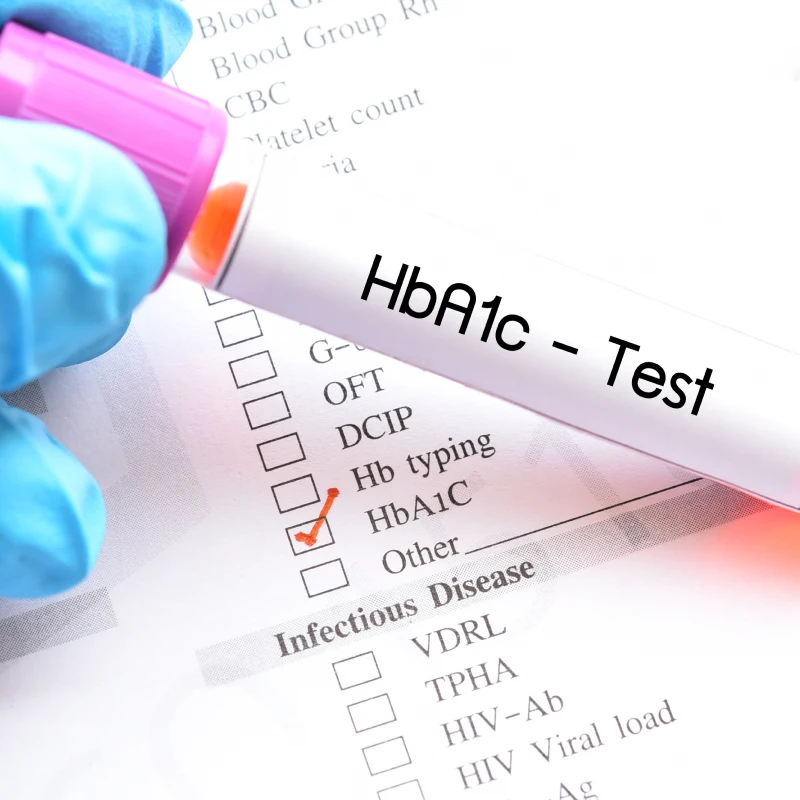
The HbA1c test, also known as the glycated haemoglobin test, is a blood test used to measure average blood sugar levels over the past two to three months. It helps identify prediabetes and diabetes and also monitors how well blood sugar is controlled in people already diagnosed with diabetes. Unlike a regular blood glucose test, which measures sugar levels at a specific time, the HbA1c test provides a broader picture of long-term blood sugar control. Understanding HbA1c levels can help identify potential health risks and support timely treatment.
The HbA1c test measures the percentage of haemoglobin in red blood cells that has glucose attached to it. Haemoglobin is a protein in red blood cells responsible for carrying oxygen throughout the body.
When blood glucose levels remain high, more glucose attaches to haemoglobin. Since red blood cells typically survive for around three months, the test reflects average blood sugar levels over the previous two to three months.
The HbA1c test is commonly used to:
Diagnose prediabetes and type 2 diabetes.
Monitor long-term blood sugar control.
Evaluate the effectiveness of diabetes treatment.
Help doctors determine whether changes in medication or lifestyle are needed.
HbA1c results are expressed as a percentage. The values help determine whether blood sugar levels are within the normal range or indicate an increased risk of diabetes.
The commonly accepted HbA1c ranges are:
Normal: Below 5.7%, indicating blood sugar levels are within the expected range.
Prediabetes: 5.7% to 6.4%, indicating higher-than-normal blood sugar levels and an increased risk of developing type 2 diabetes.
Diabetes: 6.5% or higher, indicating diabetes. A repeat test is generally recommended to confirm the diagnosis if there are no clear symptoms or other diagnostic findings.
For many non-pregnant adults with diabetes, an HbA1c target below 7% is commonly recommended. However, the appropriate target varies depending on age, overall health, duration of diabetes and risk of low blood sugar.
The HbA1c test plays an important role in identifying diabetes and preventing complications associated with prolonged high blood sugar.
Early Detection of Diabetes: It helps identify prediabetes and diabetes before serious symptoms or complications develop.
Long-Term Blood Sugar Monitoring: It provides an overview of blood glucose control over several months rather than a single reading.
Treatment Evaluation: Doctors use the results to assess whether prescribed medications, diet and physical activity are helping control blood sugar.
Prevention of Complications: Maintaining appropriate blood glucose levels can reduce the risk of complications affecting the eyes, kidneys, nerves and heart.
Personalised Treatment Planning: Test results help doctors decide whether changes to medication, nutrition or lifestyle are necessary.
The HbA1c test is a simple blood test performed in a laboratory or healthcare facility.
Blood Sample Collection: A healthcare professional collects a small blood sample from a vein in the arm.
Laboratory Analysis: The sample is analysed to determine the percentage of haemoglobin with glucose attached to it.
Result Interpretation: The results are reported as a percentage and interpreted according to established diagnostic ranges.
No, fasting is not required before an HbA1c test. It can be performed at any time of the day because recent meals do not significantly affect the result.
A high HbA1c level indicates that blood glucose has remained above the recommended range over the previous two to three months. It may suggest prediabetes, diabetes or inadequate blood sugar control in someone already diagnosed with diabetes.
Common reasons for elevated HbA1c include:
Insulin Resistance: The body's cells do not respond effectively to insulin, making it difficult to regulate blood glucose.
Unhealthy Eating Habits: Frequent consumption of sugary foods, refined carbohydrates and high-calorie meals can contribute to elevated blood sugar.
Physical Inactivity: Limited physical activity can reduce insulin sensitivity and increase the risk of high blood glucose.
Excess Body Weight: Excess body fat, particularly around the abdomen, is associated with insulin resistance.
Inadequate Diabetes Management: Missing medications or not following the prescribed treatment plan can affect blood sugar control.
A low HbA1c level generally indicates lower average blood glucose levels. However, an unusually low result is not always a sign of better health.
Possible reasons include:
Frequent Hypoglycemia: Blood sugar may be dropping below normal levels repeatedly, particularly in people taking insulin or certain diabetes medications.
Blood Loss: Recent significant blood loss can affect the average age of circulating red blood cells and produce a misleadingly low result.
Haemolytic Anaemia: Premature destruction of red blood cells can reduce HbA1c readings.
Certain Blood Disorders: Conditions affecting haemoglobin or red blood cell survival can interfere with test accuracy.
Certain medical conditions and circumstances can affect HbA1c accuracy, making the results less reliable in some individuals.
Anaemia: Iron deficiency and other types of anaemia can affect HbA1c results.
Haemoglobin Variants: Conditions such as sickle cell disease or thalassaemia may interfere with some HbA1c testing methods.
Kidney Disease: Advanced kidney disease and related complications can affect red blood cell lifespan and test interpretation.
Pregnancy: Changes in red blood cell turnover during pregnancy can affect HbA1c readings.
Recent Blood Transfusion: Donated blood can alter the proportion of glycated haemoglobin and affect the result.
Recent Blood Loss: Changes in red blood cell production after significant blood loss can influence HbA1c measurements.
The frequency of HbA1c testing depends on a person's health condition and blood sugar control.
People Without Diabetes: Testing may be recommended every three years for individuals with normal results, depending on their risk factors.
People with Prediabetes: Testing is generally recommended once a year to monitor changes in blood glucose levels.
People with Well-Controlled Diabetes: Testing is usually recommended at least twice a year.
People with Uncontrolled Diabetes: Testing may be recommended every three months when treatment changes are made or blood sugar targets are not being met.
Healthy lifestyle habits and appropriate medical care can help maintain blood glucose levels within the recommended range.
Follow a Balanced Diet: Include vegetables, whole grains, pulses, lean proteins and fibre-rich foods while limiting sugary drinks and refined carbohydrates.
Exercise Regularly: Aim for at least 150 minutes of moderate-intensity physical activity each week, if medically appropriate.
Maintain a Healthy Weight: Managing body weight can improve insulin sensitivity and support better blood glucose control.
Take Medications as Prescribed: Follow the recommended dosage and schedule for diabetes medications or insulin.
Monitor Blood Sugar: Regular glucose monitoring helps identify fluctuations and evaluate the effectiveness of treatment.
Get Adequate Sleep: Maintain a consistent sleep schedule, as poor sleep can affect insulin sensitivity and blood glucose regulation.
Manage Stress: Practise relaxation techniques, meditation or other activities that help reduce stress.
Attend Regular Health Check-ups: Follow the recommended HbA1c testing schedule to monitor long-term blood sugar control.
Consult a doctor if:
Your HbA1c result is 5.7% or higher.
Your HbA1c level is increasing despite lifestyle changes.
You experience excessive thirst, frequent urination or unexplained weight loss.
You have diabetes and frequently experience high or low blood sugar.
Your HbA1c results do not match your home glucose readings.
Early medical evaluation can help identify blood sugar problems and prevent long-term complications.
The HbA1c test is an important tool for diagnosing diabetes, identifying prediabetes and monitoring long-term blood sugar control. Understanding the results helps individuals and doctors make informed decisions about treatment, diet and lifestyle changes. Regular testing, a balanced diet, physical activity and appropriate medical care can help maintain healthy blood glucose levels and reduce the risk of diabetes-related complications.
1. What is a normal HbA1c level for adults?
A normal HbA1c level for adults without diabetes is below 5.7%. Levels between 5.7% and 6.4% indicate prediabetes, while 6.5% or higher may indicate diabetes.
2. Can HbA1c levels return to normal?
Yes, HbA1c levels can improve through healthy eating, regular exercise, weight management and appropriate treatment. People with prediabetes may be able to bring their levels back into the normal range.
3. Does the HbA1c test require fasting?
No, fasting is not necessary because the test measures average blood sugar levels over the previous two to three months. It can be performed at any time of the day.
4. What is a dangerous HbA1c level?
An HbA1c level of 6.5% or higher indicates diabetes, but it is not by itself an emergency. Persistently high levels, particularly around 9% or above, indicate poor blood sugar control and require medical evaluation.
5. Can stress increase HbA1c levels?
Yes, prolonged stress can affect hormones that regulate blood glucose and may contribute to higher HbA1c levels. Managing stress alongside healthy lifestyle habits can support better blood sugar control.
6. How long does it take to reduce HbA1c levels?
HbA1c levels generally begin to reflect improvements in blood sugar within a few weeks, but a more complete change is usually seen over two to three months. Regular monitoring helps evaluate progress.
American Diabetes Association. Standards of Care in Diabetes, 2026.
National Institute of Diabetes and Digestive and Kidney Diseases (NIDDK). The A1C Test & Diabetes.
Centers for Disease Control and Prevention (CDC). A1C Test for Diabetes and Prediabetes.

Hypoglycemia, commonly known as low blood sugar, occurs when the glucose level in the blood drops below the normal range. It is more common in people with diabetes who take insulin or certain blood sugar-lowering medications, but it can
20 Nov 2026
Lymphatic filariasis, commonly known as filariasis or elephantiasis, is a parasitic infection that affects the lymphatic system. It is transmitted through the bite of infected mosquitoes and can cause swelling of the legs, arms, breasts or genital area when
18 Aug 2026

Night sweats refer to excessive sweating during sleep that is not simply caused by a warm room, heavy bedding or excessive clothing. While occasional sweating at night can be normal, repeated or severe episodes may sometimes indicate an
18 Aug 2026

Lung cancer has the highest rate of disability-adjusted life years of all cancers in India. Traditionally considered a male-dominant, smoking-related disease, it is now increasingly seen in women particularly non-smokers, challenging long-held assumptions. This trend highlights the growing role
22 May 2026

Typhoid fever is a serious systemic infection caused by the bacterium Salmonella Typhi. Unlike common food poisoning, this bacteria specifically targets humans and spreads through the "fecal-oral" route—typically via contaminated food or water in areas with poor sanitation. Early detection is
16 Apr 2026

As a cancer specialist practising in Bangalore for over two decades, I have watched the face of cancer change dramatically. The patient sitting across from me today is often not a retired grandparent but a 28-year-old software engineer, a
14 Apr 2026

Bengaluru’s summer brings intense heat combined with high humidity, leading to rapid dehydration and a spike in illnesses. Heavy sweating, contaminated food/water, and irregular habits have caused a reported 20% rise in gastrointestinal problems like stomach infections, acidity, diarrhea, and
7 Apr 2026

Summer in Bengaluru isn’t just about the heat; it’s also the time when water-borne diseases like Typhoid, Cholera, and Gastroenteritis tend to spike. As the city faces water shortages, many of us rely on tankers or stored water, which can
7 Apr 2026

As summer temperatures rise, many people experience symptoms like fatigue, dizziness, and excessive sweating. While these may seem like simple dehydration, they can also indicate heat exhaustion, a more serious heat-related illness. Understanding the difference between dehydration and heat
24 Mar 2026
Enquire Now