
Home/Wellness Zone/Sakra Blogs

28th Apr, 2022
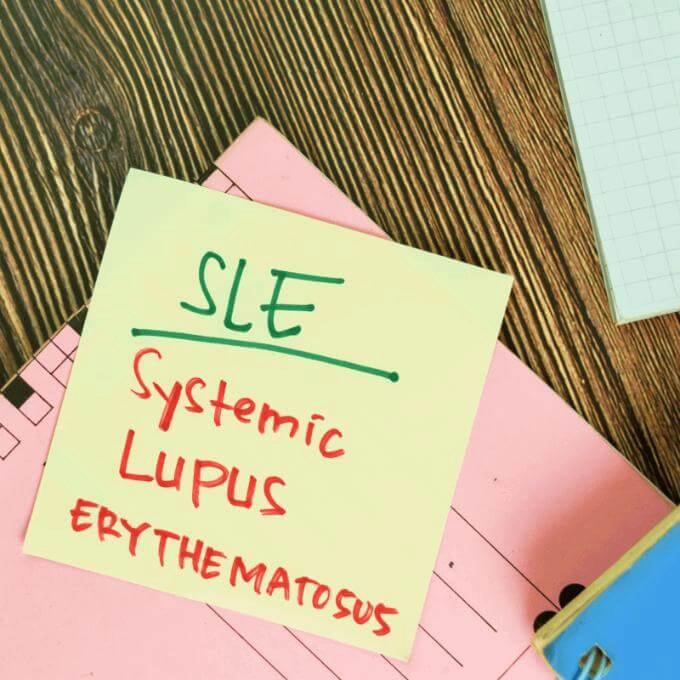
Systemic Lupus Erythematosus (SLE) is the most common form of lupus and autoimmune disease. In this disease your immune system attacks its own tissues, resulting in widespread inflammation and tissue damage in the affected organs. It can affect the kidneys, skin, brain, joints, lungs, and blood vessels. There is no cure for lupus, but some lifestyle changes and medical interventions can help control it.
It is a chronic condition that can have phases of worsening symptoms that alternate with periods of mild symptoms. Most people with systemic lupus erythematosus are able to live a normal life with treatment.
The seriousness of systemic lupus erythematosus can range from mild to life-threatening. The condition should be treated by a doctor or a team of expert surgeons who specialize in the care of SLE patients. People with lupus who receive proper medical care, prevention, and education can significantly improve their function and quality of life.
The symptoms of SLE can vary from person to person. Common symptoms may include:
Severe fatigue
Joint pain
Joint swelling
Anemia
Blood-clotting problems
Headaches
Hair loss
Sensitivity to sunlight
A rash on the nose and cheeks, which is known as a “butterfly rash”
Fingers turn white or blue and tingle in cold, which is known as “Raynaud’s phenomenon”
Other systemic lupus erythematosus symptoms vary depending on the area of the body the disease is attacking, such as the gastrointestinal tract, heart, or skin.
The symptoms of lupus are also the symptoms of many other diseases, which makes diagnosis tricky. Consult your doctor if you have any of these symptoms. Your doctor may recommend some tests to collect the information needed to make an accurate diagnosis
The specific cause of SLE is unknown, but a number of factors have been associated with the disease.
Genetics
The disease isn’t linked to a specific gene, but people with lupus disorder often have family members with other autoimmune diseases.
Environment
Environmental triggers can include:
Ultraviolet Rays
Certain Medications
Viruses
Physical or Emotional Stress
Trauma
Sex and Hormones
SLE is more common in women than in men. Women may also experience more worst symptoms during pregnancy and throughout their menstrual periods. Both of these observations have led some medical experts to believe that the female hormone estrogen may play a vital role in the development of SLE. However, more research is still required to prove this theory.
SLE is diagnosed by health care specialists using physical examination, symptom assessments, X-rays and lab tests. SLE may be tough to diagnose because its initial signs and symptoms are not specific and can appear as signs and symptoms of other conditions. If only a blood test is used for diagnosis, it may be misdiagnosed. Because diagnosis can be challenging, it is necessary to consult a surgeon specializing in rheumatology for a final diagnosis.
There is no cure for SLE. The aim of systemic lupus erythematosus treatment is to reduce the severity of symptoms. Treatment depends on the severity of your symptoms and which part of your body is affected by SLE. The following treatments include:
Steroid creams for rashes
Corticosteroids are used to reduce the immunological response
Antimalarial drugs are used for joint and skin problems
For more severe cases, disease-modifying medicines or immune system targeting therapies may be used.
Anti-inflammatory medications are used for joint pain and stiffness, such as these options available online
Talk with your health care specialist about your diet and lifestyle habits. Your health care specialist might recommend eating or avoiding particular foods and minimizing stress to reduce the chances of triggering symptoms. You may need to have screenings for osteoporosis because steroids can thin your bones. Your physician may also suggest preventive care, like immunizations that are safe for people with autoimmune disorders and cardiac screenings.
1. What are the early symptoms of SLE disease?
Early symptoms of systemic lupus erythematosus (SLE) may include fatigue, joint pain, swelling, fever and skin rashes. Symptoms can vary widely from person to person and may develop gradually.
2. What causes systemic lupus erythematosus?
The exact cause of SLE is not fully understood, but it is linked to an abnormal immune system response. Genetic, hormonal and environmental factors may contribute to its development.
3. How is SLE disease diagnosed?
SLE is diagnosed using a combination of medical history, physical examination, blood and urine tests, and assessment of symptoms. There is no single test that can confirm SLE in every person.
4. What tests are used to diagnose SLE?
Common tests include antinuclear antibody (ANA), anti-dsDNA and anti-Smith antibody tests, along with blood counts, kidney function tests and urine analysis. Additional tests may be recommended depending on the symptoms and organs involved.
5. What organs can SLE affect?
SLE can affect the skin, joints, kidneys, heart, lungs, blood and nervous system. The severity and combination of organ involvement can differ from one person to another.
6. Can SLE disease be treated?
There is currently no permanent cure for SLE, but treatment can control symptoms, reduce inflammation and help prevent organ damage. Regular monitoring and appropriate treatment can help many people manage the condition effectively.
7. What medications are used to treat SLE?
Treatment may include hydroxychloroquine, corticosteroids, anti-inflammatory medicines and immunosuppressive or biologic medicines, depending on disease severity. The choice of medication is based on the symptoms and organs affected.
8. Can SLE symptoms come and go?
Yes, SLE often follows a pattern of flares and remission, where symptoms become more active and then improve. Triggers such as infections, stress, sun exposure and stopping prescribed medicines may contribute to flares.
The raging pandemic has brought about a massive disruption in our daily life activities and has caged all of us indoors. Life has become difficult for all but the worst hits have been those who are mandatorily required to be
12 Oct 2020
Osteoporosis is estimated to affect 200 million women worldwide - approximately one-tenth of women aged 60, one-fifth of women aged 70, two-fifths of women aged 80 and two-thirds of women aged 90.Worldwide, osteoporosis causes more than
2 Sep 2014
Enquire Now