
Home/Wellness Zone/Sakra Blogs

1st Dec, 2025
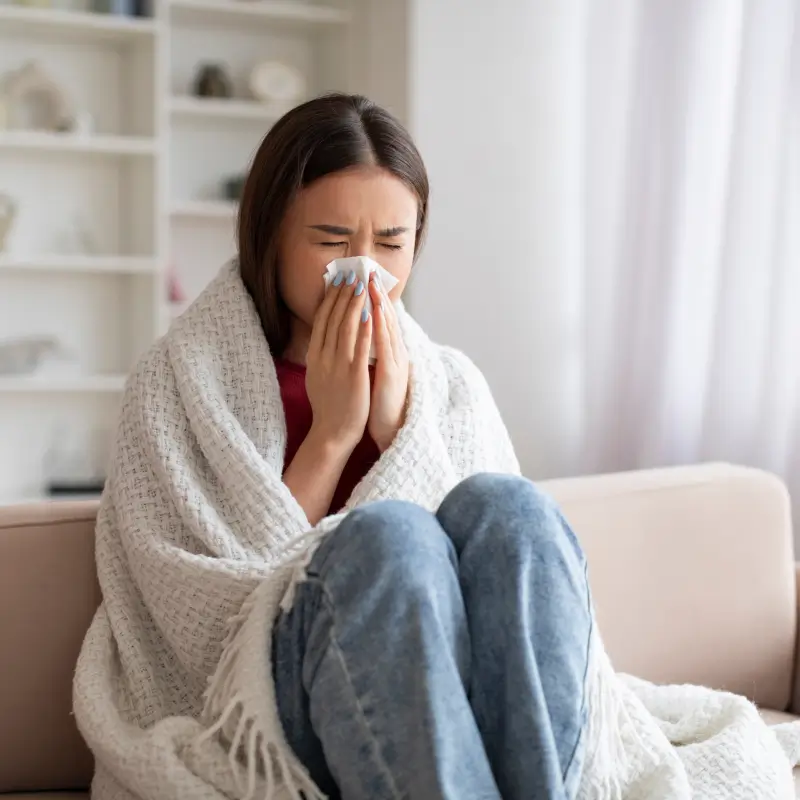
Dr Ravi Kumar, Internal Medicine: Bangalore’s winter season, from November to February, brings mild temperatures ranging from 12°C to 25°C. While the weather is relatively pleasant, the cooler air and dry conditions can still impact health, especially for children, the elderly, and those with respiratory conditions.
Respiratory illnesses such as asthma, bronchitis, sinusitis, and allergies tend to increase during winter. The combination of lower temperatures, dry air, and higher pollution levels can irritate the airways. Wearing masks outdoors, using air purifiers indoors, and avoiding early morning exposure can help reduce symptoms.
Dry skin and dehydration are also common. The cold air strips moisture from the skin, leading to itchiness and flakiness. Staying hydrated, using moisturizers, and avoiding long hot showers can help maintain skin health.
Seasonal flu and viral infections often spike during winter. To reduce the risk, it’s strongly recommended to get the annual flu vaccine, especially for vulnerable groups. The vaccine helps protect against the most common influenza strains and reduces the severity of illness if contracted. It’s available at most clinics and hospitals in Bangalore and is typically administered before the peak flu season begins.
Good hygiene practices—like frequent handwashing, avoiding crowded places when sick, and covering coughs and sneezes—are essential to prevent the spread of infections. A balanced diet rich in fruits, vegetables, and vitamin C can also support immune health.
Mental well-being may also be affected by shorter daylight hours and cooler weather. Staying active, getting sunlight exposure, and maintaining social connections can help combat seasonal mood changes.
In summary, while Bangalore’s winter is mild, it still requires proactive health measures. With proper care, including timely flu vaccination, you can enjoy a healthy and comfortable winter season.
Lymphatic filariasis, commonly known as filariasis or elephantiasis, is a parasitic infection that affects the lymphatic system. It is transmitted through the bite of infected mosquitoes and can cause swelling of the legs, arms, breasts or genital area when
18 Aug 2026
Night sweats refer to excessive sweating during sleep that is not simply caused by a warm room, heavy bedding or excessive clothing. While occasional sweating at night can be normal, repeated or severe episodes may sometimes indicate an
18 Aug 2026
Lung cancer has the highest rate of disability-adjusted life years of all cancers in India. Traditionally considered a male-dominant, smoking-related disease, it is now increasingly seen in women particularly non-smokers, challenging long-held assumptions. This trend highlights the growing role
22 May 2026

Typhoid fever is a serious systemic infection caused by the bacterium Salmonella Typhi. Unlike common food poisoning, this bacteria specifically targets humans and spreads through the "fecal-oral" route—typically via contaminated food or water in areas with poor sanitation. Early detection is
16 Apr 2026

As a cancer specialist practising in Bangalore for over two decades, I have watched the face of cancer change dramatically. The patient sitting across from me today is often not a retired grandparent but a 28-year-old software engineer, a
14 Apr 2026

Bengaluru’s summer brings intense heat combined with high humidity, leading to rapid dehydration and a spike in illnesses. Heavy sweating, contaminated food/water, and irregular habits have caused a reported 20% rise in gastrointestinal problems like stomach infections, acidity, diarrhea, and
7 Apr 2026

Summer in Bengaluru isn’t just about the heat; it’s also the time when water-borne diseases like Typhoid, Cholera, and Gastroenteritis tend to spike. As the city faces water shortages, many of us rely on tankers or stored water, which can
7 Apr 2026

As summer temperatures rise, many people experience symptoms like fatigue, dizziness, and excessive sweating. While these may seem like simple dehydration, they can also indicate heat exhaustion, a more serious heat-related illness. Understanding the difference between dehydration and heat
24 Mar 2026

Staying hydrated during summer is not just about comfort—it’s essential for survival. As temperatures rise, your body loses fluids more rapidly through sweat, increasing the risk of dehydration. What often starts as mild fluid loss can quickly escalate into
24 Mar 2026
Enquire Now