
Home/Wellness Zone/Sakra Blogs

18th Jun, 2024
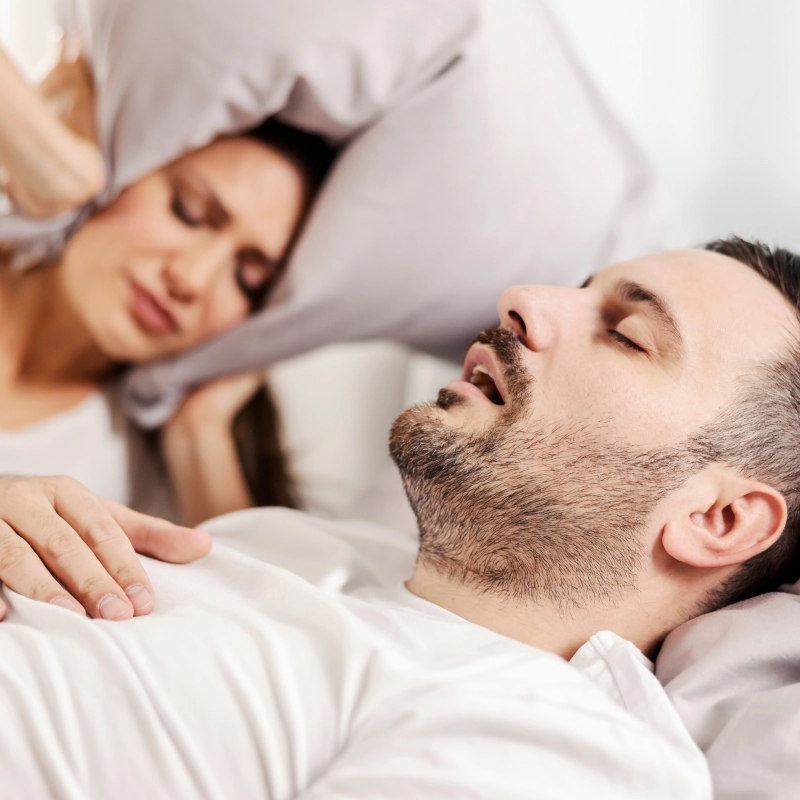
Snoring is a common phenomenon that affects millions of people worldwide. While it is often regarded as a mere annoyance, it can sometimes signal underlying health issues that need attention.
Snoring and sleep apnea are often used interchangeably, but they are quite different. Snoring happens when airflow is partially blocked during sleep, causing the surrounding tissues to vibrate and produce sound. It is common and not always a serious concern, though it can disturb sleep quality.
Sleep apnea, however, is a medical condition where breathing repeatedly stops and starts during sleep due to airway obstruction. People with sleep apnea may snore loudly, but they also experience symptoms like choking or gasping during sleep, morning headaches, poor concentration, and daytime fatigue.
The main difference lies in severity. Snoring is usually a mechanical issue, while sleep apnea can affect oxygen levels and overall health. If snoring is persistent and associated with breathing pauses, it is important to seek medical evaluation.
Different types of snoring can point to different underlying causes:
Snoring occurs when the flow of air through the mouth and nose is partially obstructed during sleep. This obstruction can cause the tissues in the throat to vibrate, producing the familiar sound of snoring. Several factors can contribute to snoring:
While snoring itself is often harmless, it can sometimes indicate a more serious condition known as obstructive sleep apnea (OSA). OSA is characterized by repeated interruptions in breathing during sleep leading to a fall in blood oxygen level , leading to poor sleep quality and other health issues. Some potential risks and complications associated with snoring and sleep apnea include:
Addressing snoring can significantly improve sleep quality and overall health. Here are some effective strategies to reduce or eliminate snoring:
While occasional snoring is usually not a cause for concern, it is important to seek medical advice if you experience any of the following:
These symptoms could indicate obstructive sleep apnea or another sleep disorder that requires medical attention.
Snoring is more than just a nighttime nuisance; it can have significant implications for your health and well-being. Understanding the causes and risks associated with snoring is the first step toward finding effective solutions. By making lifestyle changes, trying home remedies, and seeking medical treatment when necessary, you can improve your sleep quality and overall health.
1. How to stop snoring immediately?
Try simple changes like sleeping on your side instead of your back, keeping your head slightly elevated, and clearing nasal congestion with steam inhalation or a saline spray. Avoid alcohol before bedtime, as it relaxes throat muscles and worsens snoring.
2. What is the main cause of snoring?
Snoring happens when airflow is partially blocked during sleep, causing throat tissues to vibrate. Common causes include nasal congestion, enlarged tonsils, obesity, sleeping position, and relaxed throat muscles.
3. Is snoring dangerous?
Occasional snoring is usually harmless, but loud and persistent snoring can be a sign of a more serious condition like sleep apnea. If it is associated with choking, gasping, or daytime sleepiness, it should be evaluated.
4. Can snoring be cured permanently?
In some cases, yes. If the cause is temporary like nasal congestion or weight gain, it can be resolved. However, chronic snoring may need long-term management or medical treatment depending on the underlying cause.
5. What is the best treatment for snoring?
Treatment depends on the cause. Options include lifestyle changes, treating nasal blockage, using CPAP for sleep apnea, oral appliances to keep the airway open, or surgery in selected cases.
6. How to reduce snoring naturally?
Maintain a healthy weight, sleep on your side, keep regular sleep habits, stay hydrated, and avoid alcohol or sedatives before bed. These steps can significantly reduce snoring.
7. Does snoring mean sleep apnea?
Not always. Many people snore without having sleep apnea. However, loud snoring with pauses in breathing, choking, or excessive daytime sleepiness may indicate sleep apnea and needs medical evaluation.
8. Which doctor treats snoring?
You can consult an ENT specialist or a sleep specialist. They can evaluate the airway and recommend appropriate treatment based on the cause.
9. Can weight loss stop snoring?
Yes, in many cases. Excess weight, especially around the neck, can narrow the airway. Losing weight can reduce or even stop snoring in some individuals.
10. Are anti-snoring devices effective?
Yes, devices like nasal strips, mouthpieces, and CPAP machines can help. Their effectiveness depends on the cause of snoring, so proper evaluation is important before choosing a device.

When periods become irregular, most people think of stress, PCOS, or dietary changes. While these are common causes, there can be less obvious factors at play. One surprising contributor could be something as simple as a persistently blocked nose.
3 Jul 2026
Snoring might seem like a harmless nuisance at first, but over time it can disturb your sleep, affect your partner, and even point to deeper health concerns like obstructive sleep apnea (OSA). While many people blame the throat, the
3 Jul 2026

Food allergies are becoming more common, and many people struggle to understand why certain foods trigger reactions while others don’t. A food allergy happens when the immune system reacts strongly to specific foods, thinking they are harmful. This can
17 Dec 2025

Allergies are widespread and can affect people of all ages, yet many are unclear about what is allergy and how it impacts the body. They occur when the immune system overreacts to harmless substances, causing reactions that range from mild
17 Dec 2025

Vertigo is a condition that makes you feel as if you or your surroundings are spinning. It can affect balance, concentration and daily activities. Many people look for safe options to manage vertigo at home, especially when episodes are
17 Dec 2025

What Is Vertigo? Vertigo is a sensation that makes you feel like the world around you is spinning, or you are moving when you are actually still. It isn’t a disease by itself, but a symptom of an underlying
17 Dec 2025
A sore throat can make speaking, swallowing, and even resting uncomfortable. Whether it's caused by a viral infection, allergies, or weather changes, relief often starts right at home. Thankfully, there are many home remedies for throat pain and throat infection
23 Apr 2025
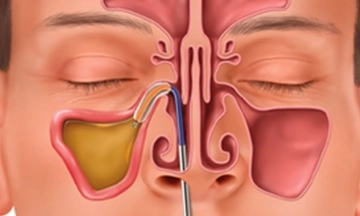
If you've ever had chronic sinusitis, you know how miserable it can be. Constant congestion, headaches, and facial pain can really affect your daily life. Traditional sinus surgery can be invasive, with long recovery times and significant discomfort. However,
18 Jun 2024
Sudden sensorineural hearing loss (SSNHL) is a condition where hearing loss occurs in one or both ears in a short period, usually within 72 hours. It can range from mild to profound and can be accompanied by tinnitus (ringing in
13 Dec 2023
Enquire Now