
Home/Wellness Zone/Sakra Blogs

30th Mar, 2023
Oral cancer, also known as mouth cancer or oral cavity cancer, is a type of cancer that develops in the tissues of the mouth or throat. It can occur in any part of the mouth, including the lips, tongue, gums, and lining of the cheeks, as well as the salivary glands, tonsils, and pharynx.
The most common symptoms of oral cancer include mouth sores, pain, difficulty chewing or swallowing, and changes in the appearance or colour of the mouth or throat tissues. If you’re experiencing any of these symptoms, it is crucial to consult a top ENT specialist in Bangalore and get a thorough checkup. Risk factors for oral cancer include tobacco and alcohol use, exposure to certain viruses, and a family history of cancer.
Treatment may include surgery, radiation therapy, and chemotherapy. Early detection and treatment can improve the chances of a successful outcome.
The symptoms of oral cancer may include:
Oral cancer can develop due to a combination of lifestyle habits, environmental exposures, and genetic factors.
Early signs of oral cancer are often subtle and may be mistaken for common oral issues, making awareness important.
Oral cancer is classified into stages based on the size of the tumour and its spread in the body.
Oral cancer treatment depends on the stage and type of cancer and usually involves a combination of therapies.
Surgery is commonly used, especially in the early stages, to remove cancer.
Radiation therapy uses high-energy rays to destroy cancer cells.
Chemotherapy uses drugs to kill cancer cells.
These are advanced treatment options used in selected cases.
Proper planning and follow-up are essential for effective treatment.
Diagnosis involves a series of tests and examinations to confirm the presence and extent of cancer.
While not all cases can be prevented, certain lifestyle changes can significantly reduce the risk.
If not treated early, oral cancer can lead to several serious complications.
Recovery varies depending on the type of treatment and stage of cancer, but ongoing care is essential.
It is important to seek medical advice if symptoms persist or worsen over time.
Oral cancer is a serious condition, but early detection and timely treatment can lead to better outcomes. Being aware of symptoms and risk factors, along with regular checkups, plays a key role in effective management and recovery.
1. What are the early signs of oral cancer?
Early signs include persistent mouth sores, white or red patches, lumps, difficulty swallowing, and unexplained pain or numbness in the mouth.
2. What causes oral cancer?
It is mainly caused by tobacco use (smoking or chewing), excessive alcohol consumption, HPV infection, and prolonged sun exposure to the lips.
3. Who is at high risk for oral cancer?
People who use tobacco, drink alcohol regularly, have poor oral hygiene, HPV infection, or a family history of cancer are at higher risk.
4. How is oral cancer diagnosed?
Doctors diagnose it through physical examination, biopsy, imaging tests like CT/MRI, and sometimes endoscopy.
5. What are the stages of oral cancer?
Oral cancer is staged from Stage I to Stage IV, based on tumor size, lymph node involvement, and spread to other parts of the body.
6. What treatment options are available for oral cancer?
Treatment includes surgery, radiation therapy, chemotherapy, or a combination depending on the stage and severity.
7. Can oral cancer be cured if detected early?
Yes, early detection significantly improves the chances of successful treatment and cure.
8. How can oral cancer be prevented?
Avoid tobacco and alcohol, maintain good oral hygiene, eat a healthy diet, use sun protection for lips, and go for regular dental check-ups.

When periods become irregular, most people think of stress, PCOS, or dietary changes. While these are common causes, there can be less obvious factors at play. One surprising contributor could be something as simple as a persistently blocked nose.
3 Jul 2026

Snoring might seem like a harmless nuisance at first, but over time it can disturb your sleep, affect your partner, and even point to deeper health concerns like obstructive sleep apnea (OSA). While many people blame the throat, the
3 Jul 2026

Food allergies are becoming more common, and many people struggle to understand why certain foods trigger reactions while others don’t. A food allergy happens when the immune system reacts strongly to specific foods, thinking they are harmful. This can
17 Dec 2025

Allergies are widespread and can affect people of all ages, yet many are unclear about what is allergy and how it impacts the body. They occur when the immune system overreacts to harmless substances, causing reactions that range from mild
17 Dec 2025

Vertigo is a condition that makes you feel as if you or your surroundings are spinning. It can affect balance, concentration and daily activities. Many people look for safe options to manage vertigo at home, especially when episodes are
17 Dec 2025

What Is Vertigo? Vertigo is a sensation that makes you feel like the world around you is spinning, or you are moving when you are actually still. It isn’t a disease by itself, but a symptom of an underlying
17 Dec 2025

A sore throat can make speaking, swallowing, and even resting uncomfortable. Whether it's caused by a viral infection, allergies, or weather changes, relief often starts right at home. Thankfully, there are many home remedies for throat pain and throat infection
23 Apr 2025

Snoring is a common phenomenon that affects millions of people worldwide. While it is often regarded as a mere annoyance, it can sometimes signal underlying health issues that need attention. Snoring vs Sleep Apnea Snoring and sleep apnea are often used interchangeably,
18 Jun 2024
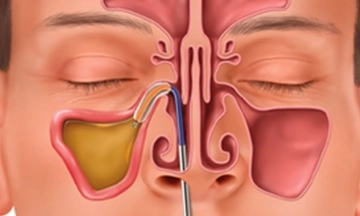
If you've ever had chronic sinusitis, you know how miserable it can be. Constant congestion, headaches, and facial pain can really affect your daily life. Traditional sinus surgery can be invasive, with long recovery times and significant discomfort. However,
18 Jun 2024
Enquire Now