

Home/Wellness Zone/Sakra Blogs

18th Aug, 2026
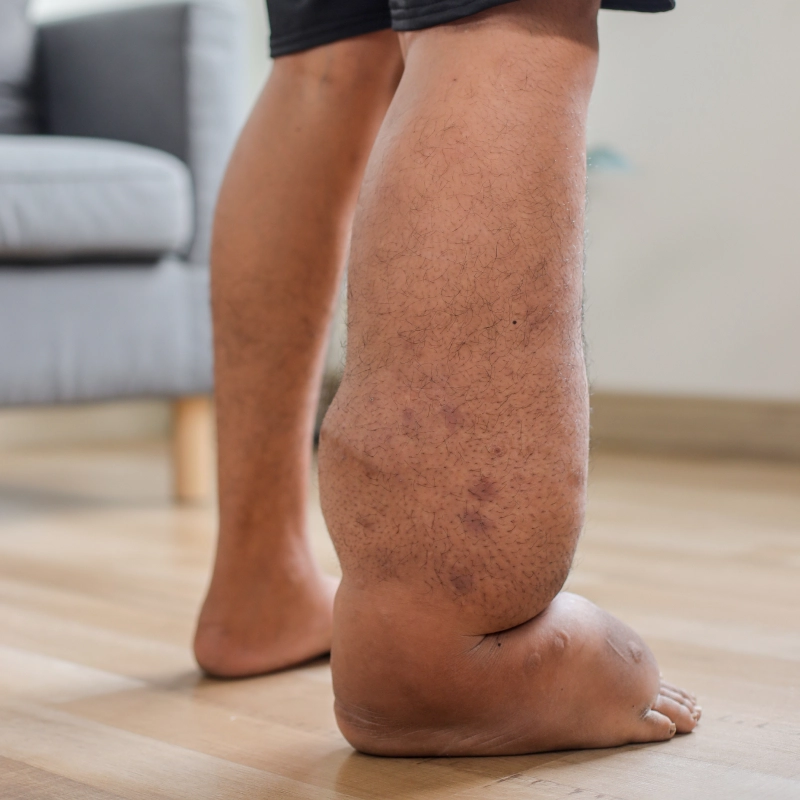
Lymphatic filariasis, commonly known as filariasis or elephantiasis, is a parasitic infection that affects the lymphatic system. It is transmitted through the bite of infected mosquitoes and can cause swelling of the legs, arms, breasts or genital area when the infection leads to long-term damage to the lymphatic vessels.
The infection may remain without noticeable symptoms for years. Early diagnosis and appropriate treatment can help control the infection, reduce complications and prevent further damage to the lymphatic system.
Lymphatic filariasis is a tropical disease caused by microscopic parasitic worms called filarial worms. The adult worms live in the lymphatic vessels and interfere with the normal flow of lymph fluid.
The condition is commonly associated with severe swelling and thickening of the skin and tissues, which is why it is often referred to as elephantiasis.
The infection is transmitted through mosquitoes. However, a person does not develop filariasis from every mosquito bite. The mosquito must be carrying the infective stage of the parasite and transmit it while biting.
If you are wondering elephantiasis is caused by, it develops mainly because of chronic infection with filarial worms that damage the lymphatic system.
The major parasites responsible for lymphatic filariasis are:
Wuchereria bancrofti: Responsible for most cases of lymphatic filariasis worldwide.
Brugia malayi: An important cause in several parts of Asia.
Brugia timori: Found mainly in certain areas of Southeast Asia.
Repeated infection and inflammation can gradually damage lymphatic vessels and interfere with the normal drainage of lymph fluid.
Filaria is caused by infection with parasitic worms that are transmitted through infected mosquito bites.
The transmission process generally occurs in the following way:
An infected mosquito bites a person and introduces the parasite into the body.
The parasites develop and mature over time.
Adult worms live in the lymphatic vessels.
The adult worms produce microscopic larvae called microfilariae.
Another mosquito can acquire these parasites when it bites an infected person.
The parasite develops inside the mosquito and can then be transmitted to another person.
The infection is more common in areas where filarial parasites and mosquito populations are widespread.
Filaria disease refers to infection caused by filarial worms. Different types of filarial infections can affect different parts of the body, but lymphatic filariasis primarily affects the lymphatic system.
Many infected people may not develop obvious symptoms initially. However, repeated inflammation and long-term lymphatic damage can eventually result in persistent swelling and tissue changes.
Elephantiasis is caused by which mosquito? There is no single mosquito species responsible worldwide.
Depending on the geographical region and parasite involved, lymphatic filariasis can be transmitted by:
Culex mosquitoes
Anopheles mosquitoes
Aedes mosquitoes
Mansonia mosquitoes
The specific mosquito species responsible varies between regions. Only mosquitoes infected with filarial parasites can transmit the infection.
Filariasis symptoms can vary significantly. Some people may have no noticeable symptoms for years, while others may experience episodes of inflammation or progressive swelling.
Common symptoms include:
Swelling of the limbs: Persistent swelling may develop in the legs or arms when lymphatic drainage becomes impaired.
Swelling of the genital area: Men may develop swelling of the scrotum, while swelling can also affect the penis or surrounding tissues.
Breast swelling: Women may develop lymphatic swelling affecting the breasts.
Fever: Episodes of fever may occur during acute inflammatory attacks.
Pain and tenderness: Inflamed lymphatic vessels or tissues may become painful or tender.
Swollen lymph nodes: Lymph nodes may become enlarged or uncomfortable during episodes of infection and inflammation.
Skin thickening: Chronic lymphatic damage can cause the skin to become thick, rough and hardened.
Heavy limbs: Significant swelling can make the affected limb feel heavy and difficult to move.
Symptoms may develop gradually and can become more noticeable after repeated episodes of inflammation.
Elephantiasis symptoms usually develop when lymphatic damage becomes chronic.
Common symptoms include:
Persistent swelling of one or both legs
Enlargement of the feet or ankles
Thickening and hardening of the skin
Rough or irregular skin texture
Swelling of the genital area
Pain or heaviness in the affected limb
Reduced range of movement
Recurrent skin infections
Difficulty walking in advanced cases
Not everyone with filariasis develops elephantiasis. Severe chronic swelling generally occurs after prolonged lymphatic damage.
Elephant leg disease is a commonly used term for severe swelling and thickening of the leg associated with lymphatic filariasis.
The condition develops when the lymphatic system cannot drain fluid properly. As lymph accumulates in the tissues, the affected leg may gradually become enlarged, heavy and difficult to move.
In advanced cases, the skin may become thick, rough and hardened.
Elephant foot disease refers to severe swelling and tissue thickening affecting the foot and lower limb.
The affected foot may become:
Enlarged
Heavy
Swollen
Hard
Thickened
Difficult to move
Long-standing swelling can also increase the risk of skin breakdown and secondary bacterial infections.
Lymphatic filariasis can progress differently from person to person.
Early diagnosis and treatment can help reduce the risk of progression.
Untreated or long-standing lymphatic filariasis can cause complications that affect mobility and quality of life.
Possible complications include:
Chronic lymphoedema: Persistent accumulation of lymph fluid can cause long-term swelling.
Elephantiasis: Severe lymphatic damage may result in permanent enlargement and thickening of affected tissues.
Hydrocele: Men may develop significant swelling of the scrotum due to lymphatic obstruction.
Recurrent bacterial infections: Damaged skin and tissues are more vulnerable to bacterial infections.
Skin changes: The skin may become thick, rough, dry or hardened.
Reduced mobility: Severe swelling of the legs can make walking and everyday activities difficult.
Emotional and social difficulties: Visible swelling and physical limitations may affect confidence and quality of life.
Managing swelling and preventing infections are important parts of long-term care.
Doctors diagnose lymphatic filariasis using medical history, physical examination and laboratory tests.
Common diagnostic methods include:
Medical history: The doctor may ask about symptoms, mosquito exposure and residence or travel in areas where filariasis is common.
Physical examination: The affected limbs, skin, lymph nodes and genital area may be examined for swelling and other changes.
Blood tests: Blood may be tested for evidence of filarial infection.
Antigen testing: Certain tests can identify antigens produced by adult filarial worms.
Microscopic examination: Blood samples may be examined for microfilariae in appropriate cases.
Ultrasound: Ultrasound may sometimes help identify adult worms within lymphatic vessels.
Additional tests: Other investigations may be recommended to assess complications or exclude other causes of swelling.
The timing of certain blood tests may be important because microfilariae may be present in the bloodstream at particular times of the day.
Elephantiasis treatment aims to eliminate the active parasitic infection, control inflammation and prevent or manage long-term lymphatic complications.
Treatment may include:
Anti-filarial medicines: Medicines such as diethylcarbamazine, ivermectin or albendazole may be used depending on the type of infection, local guidelines and individual circumstances.
Treatment of bacterial infections: Antibiotics may be required when bacterial skin or soft-tissue infections develop.
Limb hygiene: Keeping the affected skin clean and dry can help reduce the risk of infections.
Exercise: Appropriate movement and exercises can support lymphatic drainage and maintain mobility.
Limb elevation: Elevating a swollen limb may help reduce fluid accumulation in some people.
Compression therapy: Compression garments may be recommended for appropriate patients with chronic lymphoedema.
Hydrocele surgery: Significant hydrocele may require surgical treatment.
Specialist lymphoedema care: Long-term swelling may require a structured programme involving skin care, exercise, compression and other measures.
Treatment should be individualised according to the stage of infection and the presence of complications.
People often search for an elephantiasis cure, but treatment depends on whether the infection is active and how much lymphatic damage has occurred.
Anti-parasitic medicines can eliminate or reduce the filarial infection and help prevent further transmission. However, medicines may not completely reverse advanced lymphatic damage that has already occurred.
Chronic swelling may therefore require long-term management with skin care, exercise, compression and treatment of recurrent infections.
This is why identifying and treating lymphatic filariasis early is important.
Early-stage lymphatic problems may be managed more effectively when treatment begins before permanent tissue changes develop.
Once severe chronic swelling and skin thickening have developed, complete reversal may not always be possible. However, proper lymphoedema management can reduce swelling, improve mobility, lower the risk of infections and improve quality of life.
Since filariasis is transmitted by mosquitoes, preventing mosquito bites is an important part of protection.
Helpful measures include:
Using mosquito nets: Sleeping under an insecticide-treated net can reduce exposure to mosquitoes.
Applying mosquito repellent: Repellent can provide additional protection when spending time in areas with mosquitoes.
Wearing protective clothing: Long sleeves and full-length clothing reduce exposed skin.
Using window and door screens: Screens can help prevent mosquitoes from entering living spaces.
Removing stagnant water: Reducing mosquito breeding sites around homes can help lower mosquito populations.
Participating in community programmes: Mass drug administration programmes in endemic areas can help reduce transmission.
Community-wide prevention is particularly important in regions where lymphatic filariasis is common.
People with chronic lymphatic swelling may need long-term care even after the active filarial infection has been treated.
Helpful measures include:
Keeping the affected skin clean and moisturised
Checking the skin regularly for cuts, cracks or signs of infection
Following prescribed compression therapy
Performing recommended exercises
Elevating the affected limb when appropriate
Maintaining a healthy body weight
Treating skin infections promptly
Attending regular medical follow-ups
These measures can help control swelling and reduce complications.
Consult a doctor if you develop:
Persistent swelling of the legs, arms or genital area
Repeated episodes of fever and inflammation
Unexplained swelling that gradually increases
Thickening or hardening of the skin
Swollen or painful lymph nodes
Recurrent skin infections
Scrotal swelling or hydrocele
Difficulty walking because of limb swelling
Early medical evaluation can help determine whether filariasis or another condition is responsible.
Lymphatic filariasis is a parasitic disease transmitted by infected mosquitoes that can affect the lymphatic system and cause long-term swelling. It is commonly associated with elephantiasis, particularly when chronic lymphatic damage causes severe enlargement and thickening of the legs or other affected areas.
The infection can be treated with appropriate anti-filarial medicines, while chronic swelling may require ongoing lymphoedema management. Although there is no single elephantiasis cure that can immediately reverse advanced lymphatic damage, early diagnosis and treatment can help prevent progression and reduce complications.
Mosquito-bite prevention, personal protection and community treatment programmes are also important in reducing the spread of filariasis.
1. What is filariasis?
Filariasis is a parasitic infection caused by microscopic filarial worms. Lymphatic filariasis affects the lymphatic system and can lead to chronic swelling and elephantiasis.
2. What is elephantiasis?
Elephantiasis is severe swelling and thickening of the skin and underlying tissues that can occur because of chronic lymphatic damage, including damage caused by lymphatic filariasis.
3. What is elephantiasis caused by?
Elephantiasis can develop due to chronic lymphatic filarial infection. The infection is transmitted through the bite of an infected mosquito.
4. How is filaria caused?
Filaria is caused by infection with filarial worms, which are transmitted to humans through infected mosquito bites.
5. Which mosquito causes elephantiasis?
Culex, Anopheles, Aedes and Mansonia mosquitoes can transmit lymphatic filariasis, depending on the region and parasite involved.
6. What is elephant leg disease?
Elephant leg disease is a common term for severe swelling and thickening of the leg that can occur due to chronic lymphatic filariasis.
7. What is elephant foot disease?
Elephant foot disease refers to severe swelling and thickening of the foot and lower limb associated with chronic lymphatic damage.
Night sweats refer to excessive sweating during sleep that is not simply caused by a warm room, heavy bedding or excessive clothing. While occasional sweating at night can be normal, repeated or severe episodes may sometimes indicate an
18 Aug 2026

Lung cancer has the highest rate of disability-adjusted life years of all cancers in India. Traditionally considered a male-dominant, smoking-related disease, it is now increasingly seen in women particularly non-smokers, challenging long-held assumptions. This trend highlights the growing role
22 May 2026
Typhoid fever is a serious systemic infection caused by the bacterium Salmonella Typhi. Unlike common food poisoning, this bacteria specifically targets humans and spreads through the "fecal-oral" route—typically via contaminated food or water in areas with poor sanitation. Early detection is
16 Apr 2026

As a cancer specialist practising in Bangalore for over two decades, I have watched the face of cancer change dramatically. The patient sitting across from me today is often not a retired grandparent but a 28-year-old software engineer, a
14 Apr 2026

Bengaluru’s summer brings intense heat combined with high humidity, leading to rapid dehydration and a spike in illnesses. Heavy sweating, contaminated food/water, and irregular habits have caused a reported 20% rise in gastrointestinal problems like stomach infections, acidity, diarrhea, and
7 Apr 2026

Summer in Bengaluru isn’t just about the heat; it’s also the time when water-borne diseases like Typhoid, Cholera, and Gastroenteritis tend to spike. As the city faces water shortages, many of us rely on tankers or stored water, which can
7 Apr 2026

As summer temperatures rise, many people experience symptoms like fatigue, dizziness, and excessive sweating. While these may seem like simple dehydration, they can also indicate heat exhaustion, a more serious heat-related illness. Understanding the difference between dehydration and heat
24 Mar 2026

Staying hydrated during summer is not just about comfort—it’s essential for survival. As temperatures rise, your body loses fluids more rapidly through sweat, increasing the risk of dehydration. What often starts as mild fluid loss can quickly escalate into
24 Mar 2026
As an internal medicine specialist, I have observed a significant surge in patients across Bangalore struggling with a "never-ending" dry cough. While many assume it is a standard cold, the reality is more complex. The primary culprit is the
3 Feb 2026
Enquire Now