
Home/Wellness Zone/Sakra Blogs

3rd Jul, 2026
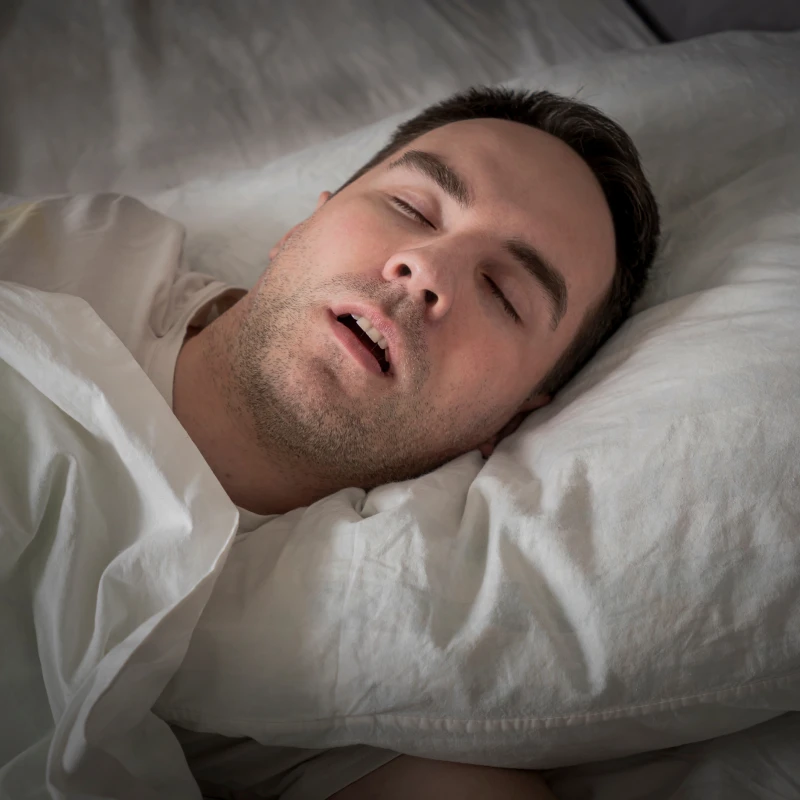
Snoring might seem like a harmless nuisance at first, but over time it can disturb your sleep, affect your partner, and even point to deeper health concerns like obstructive sleep apnea (OSA). While many people blame the throat, the real issue often begins in the nose.
Let’s understand how nasal problems trigger snoring, why they worsen over time, and why fixing the nose is a key step toward better sleep.
Your nose is the first gateway for airflow. It filters air, adds moisture, and helps maintain smooth breathing during sleep. When this pathway is blocked, your body is forced to switch to mouth breathing.
Common nasal causes include:
Deviated nasal septum
A bent or displaced nasal wall can reduce airflow on one or both sides of the nose. This makes breathing through the nose difficult, especially at night. Over time, this forces habitual mouth breathing.
Enlarged turbinates
Turbinates are small structures inside the nose that help filter air. When they become enlarged due to allergies or infections, they block airflow and create a constant feeling of congestion.
Chronic sinusitis
Long-term sinus inflammation leads to mucus buildup and nasal blockage. This not only affects breathing but also creates pressure and discomfort that worsens during sleep.
Allergic rhinitis
Allergies can cause swelling inside the nose along with sneezing and congestion. This ongoing inflammation restricts airflow and contributes to nighttime breathing issues.
Nasal valve collapse
This occurs when the narrowest part of the nasal airway weakens and collapses during breathing. It significantly reduces airflow and often goes unnoticed without proper evaluation.
When these conditions are present, mouth breathing becomes unavoidable, and that’s where snoring begins.
Once you start breathing through your mouth during sleep, several changes occur in your airway:
The tongue naturally falls backward, partially blocking the throat
The soft palate begins to vibrate as air passes through
The airway becomes narrower and more unstable during deep sleep
These changes create the sound of snoring. So while the noise comes from the throat, the root cause is often nasal blockage.
Ignoring nasal issues can create a cycle that gradually worsens snoring:
Increased mouth breathing leads to greater airway collapse
Poor-quality sleep causes fatigue and may contribute to weight gain
Dryness in the throat leads to irritation and inflammation
Ongoing blockage further reduces airflow
Over time, this cycle can develop into obstructive sleep apnea, where breathing repeatedly stops and starts during sleep. This can affect heart health, energy levels, and overall well-being.
CPAP (Continuous Positive Airway Pressure) machines are commonly used to treat sleep apnea. However, their effectiveness depends heavily on clear nasal airflow.
If the nose is blocked:
Air cannot pass smoothly, making the pressure uncomfortable
Masks may leak due to improper airflow
Patients often remove the mask during sleep due to discomfort
Long-term use becomes difficult, reducing treatment success
Addressing nasal blockage first can significantly improve CPAP comfort and compliance. In some mild cases, correcting the nasal issue may even reduce the need for CPAP.
Here are the key treatment options that can help improve nasal airflow and reduce snoring at its root:
Endoscopic nasal surgery
This procedure helps correct structural problems like a deviated septum or enlarged turbinates. It improves airflow without external scars and offers long-term relief.
Allergy management
Treating underlying allergies with medications or lifestyle changes can reduce inflammation and keep nasal passages clear.
Sinus and polyp treatment
Managing infections or removing polyps helps restore normal airflow and reduces chronic blockage.
Minimally invasive nasal procedures
Modern techniques can improve nasal airflow with minimal downtime and high effectiveness.
Snoring is often treated as a surface problem, but the root cause is frequently hidden in the nose. Ignoring it can lead to poor sleep, health complications, and reduced quality of life.
By identifying and treating nasal obstruction, you can:
Reduce or eliminate snoring
Improve sleep quality and daytime energy
Increase comfort with CPAP if needed
Prevent progression to more serious sleep disorders
If snoring is persistent, it’s worth evaluating your nasal health, not just your throat.
1. Is snoring always caused by throat problems?
No, while the sound comes from the throat, the cause often begins in the nose. Blocked nasal passages force mouth breathing, which leads to snoring.
2. Can fixing my nose stop snoring completely?
In many cases, yes—especially if nasal obstruction is the main cause. However, if other factors like obesity or sleep apnea are involved, additional treatment may be needed.
3. How do I know if my nose is causing my snoring?
If you have symptoms like nasal blockage, mouth breathing, or difficulty breathing through your nose, it may be a contributing factor. An ENT evaluation can confirm the cause.
4. Does CPAP work if I have a blocked nose?
CPAP may be less effective or uncomfortable if nasal airflow is poor. Treating nasal blockage can make CPAP therapy much more effective.
5. When should I see a doctor for snoring?
You should consult a doctor if snoring is loud, persistent, or associated with choking, gasping, or daytime fatigue. These may be signs of sleep apnea or underlying nasal issues

When periods become irregular, most people think of stress, PCOS, or dietary changes. While these are common causes, there can be less obvious factors at play. One surprising contributor could be something as simple as a persistently blocked nose.
3 Jul 2026

Food allergies are becoming more common, and many people struggle to understand why certain foods trigger reactions while others don’t. A food allergy happens when the immune system reacts strongly to specific foods, thinking they are harmful. This can
17 Dec 2025

Allergies are widespread and can affect people of all ages, yet many are unclear about what is allergy and how it impacts the body. They occur when the immune system overreacts to harmless substances, causing reactions that range from mild
17 Dec 2025

Vertigo is a condition that makes you feel as if you or your surroundings are spinning. It can affect balance, concentration and daily activities. Many people look for safe options to manage vertigo at home, especially when episodes are
17 Dec 2025

What Is Vertigo? Vertigo is a sensation that makes you feel like the world around you is spinning, or you are moving when you are actually still. It isn’t a disease by itself, but a symptom of an underlying
17 Dec 2025

Snoring is a common phenomenon that affects millions of people worldwide. While it is often regarded as a mere annoyance, it can sometimes signal underlying health issues that need attention. Snoring vs Sleep Apnea Snoring and sleep apnea are often used interchangeably,
18 Jun 2024
If you've ever had chronic sinusitis, you know how miserable it can be. Constant congestion, headaches, and facial pain can really affect your daily life. Traditional sinus surgery can be invasive, with long recovery times and significant discomfort. However, there's
18 Jun 2024
Sudden sensorineural hearing loss (SSNHL) is a condition where hearing loss occurs in one or both ears in a short period, usually within 72 hours. It can range from mild to profound and can be accompanied by tinnitus (ringing in
13 Dec 2023
In today's fast-paced world, we are constantly bombarded with noise. From the roar of traffic to the blaring music in clubs, our ears are under constant assault. While occasional exposure to loud sounds may not cause lasting damage, chronic exposure
13 Dec 2023
Enquire Now