

Home/Wellness Zone/Sakra Blogs

20th Nov, 2026

Hypoglycemia, commonly known as low blood sugar, occurs when the glucose level in the blood drops below the normal range. It is more common in people with diabetes who take insulin or certain blood sugar-lowering medications, but it can also affect people without diabetes. Symptoms may include sweating, shakiness, dizziness, hunger, confusion and weakness. Recognising the warning signs and taking timely action can help prevent complications. Understanding the causes, symptoms, treatment and preventive measures is important for managing low blood sugar effectively.
Hypoglycemia is a condition in which blood glucose levels fall below 70 mg/dL. Glucose is the body's primary source of energy, particularly for the brain. When blood sugar becomes too low, the body may not receive enough energy to function normally.
In people with diabetes, hypoglycemia commonly occurs due to excess insulin, certain medications, missed meals or increased physical activity without adequate food intake.
Hypoglycemia is generally classified into three levels:
Level 1 (Mild): Blood glucose is below 70 mg/dL but at least 54 mg/dL.
Level 2 (Clinically Significant): Blood glucose falls below 54 mg/dL and requires immediate treatment.
Level 3 (Severe): A person experiences altered mental or physical functioning and needs assistance from another person, regardless of the measured blood glucose level.
Low blood sugar can develop due to several factors, particularly when insulin or glucose-lowering medications cause blood glucose to fall more than expected.
Common causes include:
Excess Insulin or Diabetes Medication: Taking more insulin than prescribed or using certain diabetes medications can lower blood glucose excessively.
Skipping or Delaying Meals: Missing meals or eating less than usual can cause blood sugar levels to drop, especially when diabetes medication has already been taken.
Excessive Physical Activity: Prolonged or intense exercise can use more glucose than the body can replace, resulting in low blood sugar.
Alcohol Consumption: Drinking alcohol, particularly without eating, can interfere with the liver's ability to release stored glucose.
Illness and Poor Appetite: Vomiting, diarrhoea, infections or reduced food intake can affect blood glucose levels and increase the risk of hypoglycemia in people taking diabetes medication.
Hormonal Disorders: Conditions affecting hormones such as cortisol can interfere with the body's ability to maintain normal blood glucose.
Liver or Kidney Disorders: Severe liver or kidney problems can affect glucose production, storage or medication clearance, increasing the risk of hypoglycemia.
Symptoms of hypoglycemia can develop suddenly and may range from mild discomfort to serious neurological problems. Recognising early warning signs helps ensure timely treatment.
Common symptoms include:
Shakiness and Trembling: Low blood glucose can trigger the release of adrenaline, causing the hands or body to shake.
Excessive Sweating: Sudden sweating, even without physical activity or hot weather, can be an early warning sign.
Dizziness: Reduced glucose availability can cause light-headedness or a feeling of unsteadiness.
Sudden Hunger: The body may signal an urgent need for food when blood glucose levels become low.
Rapid Heartbeat: Adrenaline release can cause the heart to beat faster than usual.
Headache: Low blood sugar can affect normal brain function and trigger headaches.
Weakness and Fatigue: Insufficient glucose can make a person feel unusually tired or weak.
Confusion and Difficulty Concentrating: The brain needs a continuous supply of glucose, and low levels can affect thinking, memory and awareness.
If blood sugar levels drop significantly, symptoms can become serious and require immediate medical attention.
Seizures: Severe glucose deficiency can interfere with normal brain activity and cause seizures.
Loss of Consciousness: A person may faint or become unresponsive.
Severe Confusion: The person may be unable to speak clearly, recognise surroundings or respond appropriately.
Abnormal Behaviour: Low blood sugar can cause unusual behaviour, irritability or difficulty coordinating movements.
Diagnosis involves checking blood glucose levels and identifying the underlying reason for repeated episodes of low blood sugar.
Common diagnostic methods include:
Blood Glucose Test: A glucometer or laboratory blood test measures the glucose level to identify hypoglycemia.
Continuous Glucose Monitoring (CGM): A wearable sensor tracks glucose levels throughout the day and night, helping identify patterns of low blood sugar.
Medical History: The doctor reviews symptoms, eating habits, physical activity, existing medical conditions and medications.
Additional Blood Tests: If hypoglycemia occurs in someone without diabetes, tests may be recommended to assess liver and kidney function, hormone levels and other possible causes.
In people without diabetes, doctors may investigate further to establish whether symptoms are linked to genuinely low blood glucose.
The treatment of hypoglycemia depends on the severity of the condition and whether the person is conscious and able to swallow.
1. Follow the 15-15 Rule
The 15-15 rule is a commonly recommended approach for treating mild to moderate hypoglycemia in conscious adults.
Consume 15 grams of fast-acting carbohydrates, such as glucose tablets, half a cup of fruit juice or regular soft drink, or one tablespoon of sugar dissolved in water.
Wait for 15 minutes and check blood glucose levels again.
If the reading is still below 70 mg/dL, consume another 15 grams of fast-acting carbohydrates.
Repeat the process until blood glucose returns to the target range.
2. Eat a Balanced Snack or Meal
Once blood glucose levels improve, eat a balanced snack or meal containing carbohydrates and protein, particularly if the next meal is more than an hour away. This helps maintain blood glucose levels and reduces the risk of another drop.
3. Use Glucagon for Severe Hypoglycemia
If a person experiences severe hypoglycemia and cannot safely swallow, glucagon may be administered as an injection or nasal spray. It helps raise blood glucose levels by stimulating the liver to release stored glucose.
A caregiver or family member should know how to administer glucagon if it has been prescribed. Call emergency medical services immediately. Never give food, water or other liquids to an unconscious person.
4. Review Diabetes Medication
People who experience repeated episodes of low blood sugar should consult their doctor to review their insulin dosage or diabetes medication. Medication changes should only be made under medical supervision.
Making a few changes to daily habits and following a suitable diabetes management plan can help reduce the risk of low blood sugar.
Eat Meals on Time: Avoid skipping meals or delaying them, especially when taking insulin or other medications that lower blood glucose.
Monitor Blood Sugar Regularly: Check glucose levels as recommended by the doctor to identify sudden drops and recurring patterns.
Follow Medication Instructions: Take prescribed diabetes medications at the recommended time and dosage. Do not adjust doses independently.
Plan Physical Activity: Check blood glucose before and after exercise when advised, and discuss appropriate food or medication adjustments with the healthcare provider.
Limit Alcohol Consumption: Avoid drinking alcohol on an empty stomach, as it can increase the risk of low blood sugar.
Carry Fast-Acting Carbohydrates: Keep glucose tablets, sugar sachets or a small juice pack readily available to manage unexpected episodes.
Eat Balanced Meals: Include whole grains, vegetables, protein and other nutritious foods to support stable blood glucose levels.
Recognise Early Symptoms: Learn to identify warning signs such as sweating, shakiness, hunger and dizziness so that treatment can begin promptly.
Medical attention is important when low blood sugar occurs frequently, becomes severe or develops without an identifiable reason.
Consult a doctor if you experience:
Repeated episodes of low blood sugar despite following the prescribed treatment plan.
Frequent dizziness, sweating, shakiness or sudden hunger.
Low blood glucose levels during sleep or upon waking.
Hypoglycemia without having diabetes or taking glucose-lowering medication.
Episodes of confusion, difficulty speaking or problems with coordination.
Seek emergency medical assistance if a person has seizures, loses consciousness or cannot swallow safely due to low blood sugar. These symptoms require immediate treatment.
Hypoglycemia is a condition that requires timely attention because low blood glucose can affect the brain and other essential body functions. Recognising early symptoms, following the 15-15 rule and monitoring blood glucose levels can help manage mild episodes. People experiencing repeated or severe hypoglycemia should consult a healthcare professional to identify the cause and adjust their treatment plan. With appropriate medical guidance, regular meals and proper monitoring, the risk of complications can be reduced.
1. What is the normal blood sugar level, and when is it considered low?
A blood glucose level below 70 mg/dL is generally considered low in people with diabetes. A reading below 54 mg/dL indicates clinically significant hypoglycemia and requires immediate treatment.
2. Can hypoglycemia occur in people without diabetes?
Yes, although it is less common. It may occur due to certain medications, hormonal deficiencies, liver or kidney disorders, or other underlying health conditions.
3. What should I eat immediately when blood sugar drops?
Consume fast-acting carbohydrates such as glucose tablets, half a cup of fruit juice or one tablespoon of sugar. Recheck blood glucose after 15 minutes and repeat if it remains below 70 mg/dL.
4. Can low blood sugar occur during sleep?
Yes, nighttime hypoglycemia can occur, particularly in people taking insulin or certain diabetes medications. Night sweats, nightmares, disturbed sleep and waking up with a headache may be warning signs.
5. Is hypoglycemia dangerous if left untreated?
Yes, untreated severe hypoglycemia can cause seizures, loss of consciousness and potentially life-threatening complications. Immediate treatment is essential.
Centers for Disease Control and Prevention (CDC). Treatment of Low Blood Sugar (Hypoglycemia). 2024.
National Institute of Diabetes and Digestive and Kidney Diseases (NIDDK). Low Blood Glucose (Hypoglycemia).
American Diabetes Association (ADA). Standards of Care in Diabetes, 2026: Glycemic Goals, Hypoglycemia, and Hyperglycemic Crises.
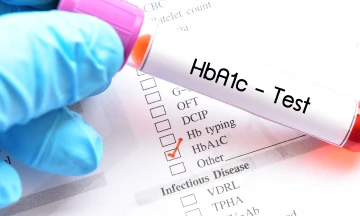
The HbA1c test, also known as the glycated haemoglobin test, is a blood test used to measure average blood sugar levels over the past two to three months. It helps identify prediabetes and diabetes and also monitors how well
20 Nov 2026
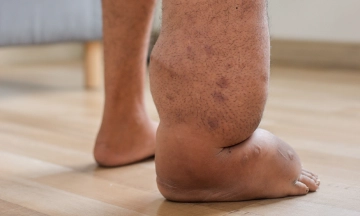
Lymphatic filariasis, commonly known as filariasis or elephantiasis, is a parasitic infection that affects the lymphatic system. It is transmitted through the bite of infected mosquitoes and can cause swelling of the legs, arms, breasts or genital area when
18 Aug 2026

Night sweats refer to excessive sweating during sleep that is not simply caused by a warm room, heavy bedding or excessive clothing. While occasional sweating at night can be normal, repeated or severe episodes may sometimes indicate an
18 Aug 2026

Lung cancer has the highest rate of disability-adjusted life years of all cancers in India. Traditionally considered a male-dominant, smoking-related disease, it is now increasingly seen in women particularly non-smokers, challenging long-held assumptions. This trend highlights the growing role
22 May 2026

Typhoid fever is a serious systemic infection caused by the bacterium Salmonella Typhi. Unlike common food poisoning, this bacteria specifically targets humans and spreads through the "fecal-oral" route—typically via contaminated food or water in areas with poor sanitation. Early detection is
16 Apr 2026

As a cancer specialist practising in Bangalore for over two decades, I have watched the face of cancer change dramatically. The patient sitting across from me today is often not a retired grandparent but a 28-year-old software engineer, a
14 Apr 2026
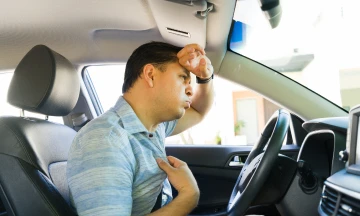
Bengaluru’s summer brings intense heat combined with high humidity, leading to rapid dehydration and a spike in illnesses. Heavy sweating, contaminated food/water, and irregular habits have caused a reported 20% rise in gastrointestinal problems like stomach infections, acidity, diarrhea, and
7 Apr 2026

Summer in Bengaluru isn’t just about the heat; it’s also the time when water-borne diseases like Typhoid, Cholera, and Gastroenteritis tend to spike. As the city faces water shortages, many of us rely on tankers or stored water, which can
7 Apr 2026

As summer temperatures rise, many people experience symptoms like fatigue, dizziness, and excessive sweating. While these may seem like simple dehydration, they can also indicate heat exhaustion, a more serious heat-related illness. Understanding the difference between dehydration and heat
24 Mar 2026
Enquire Now