
Home/Wellness Zone/Sakra Blogs

18th May, 2023
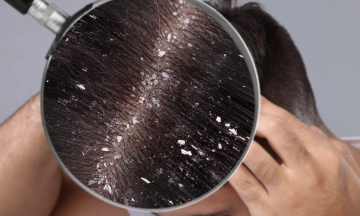
Dandruff is a common scalp condition that results in the shedding of small, white flakes of dead skin from the scalp. It is a type of seborrheic dermatitis, which is caused by an overgrowth of yeast on the scalp. Dandruff can be caused by a variety of factors, including dry skin, oily skin, sensitivity to hair care products, and certain medical conditions such as psoriasis or eczema. You can consult with a certified dandruff specialist doctor in Bangalore for proper diagnosis and treatment.
Common symptoms of dandruff include itching, flaking, and a dry, tight feeling on the scalp. Treatment for dandruff can involve using medicated shampoos, adjusting hair care habits, and seeking medical attention for underlying conditions if necessary.
Dandruff is not the same for everyone. Understanding the type helps in choosing the right treatment.
Dandruff is caused by several factors, including:
The symptoms of dandruff may vary from person to person, but some common symptoms include:
Many people confuse dandruff with a dry scalp, but they are different.
The key difference is that dandruff needs antifungal treatment, while dry scalp improves with hydration and gentle care.
Dandruff itself does not directly cause permanent hair loss, but it can lead to temporary hair fall. Constant itching and scratching damage the hair roots and weaken the strands. Inflammation of the scalp can also disrupt the hair growth cycle.
The good news is that once dandruff is treated and the scalp becomes healthy, hair growth usually returns to normal.
With proper treatment, mild dandruff can improve within 1–2 weeks. Moderate to severe cases may take 3–6 weeks of regular use of medicated shampoos.
However, dandruff tends to be a recurring condition. Even after it improves, maintenance care is important to prevent it from coming back.
Dandruff is often chronic, which means it can return if not managed properly. Common reasons include:
To keep dandruff under control, consistency in scalp care is essential.
For mild dandruff, natural remedies can help soothe the scalp and reduce flakes.
Dandruff cannot be cured permanently, but it can be controlled effectively with proper treatment and hair care habits. Here are some steps you can take to manage and control dandruff:
Dandruff can be treated and controlled by following the above guidelines. You can seek medical help from dermatologists at Sakra World Hospital for dandruff treatment in Bangalore to receive a proper diagnosis and treatment plan for your condition.
1. How to remove dandruff permanently?
There is no true “permanent” cure for dandruff, but it can be controlled long-term. Regular use of anti-dandruff shampoos, maintaining scalp hygiene, and managing triggers like stress or oily scalp can keep flakes away. Consistency is key.
2. How to get rid of dandruff fast?
Use a medicated anti-dandruff shampoo (with ketoconazole, zinc pyrithione, or selenium sulfide) 2–3 times a week. Leave it on the scalp for 3–5 minutes before rinsing. Avoid oiling excessively and keep the scalp clean for faster results.
3. What is the main cause of dandruff?
The most common cause is an overgrowth of a yeast-like fungus (Malassezia) on the scalp. Other factors include oily skin, dry scalp, poor hygiene, stress, and sensitivity to hair products.
4. How to reduce dandruff naturally at home?
You can try simple home remedies like:
Applying coconut oil with a few drops of lemon
Using aloe vera gel on the scalp
Rinsing hair with diluted apple cider vinegar
5. Which shampoo is best for dandruff treatment?
Look for shampoos containing:
Ketoconazole (strong antifungal)
Zinc pyrithione (controls fungus and oil)
Selenium sulfide (reduces scalp scaling)
The best choice depends on severity, so switching between types can also help.
6. Can dandruff be cured permanently?
Dandruff is a chronic condition, meaning it can come and go. While it cannot always be permanently cured, it can be effectively controlled with the right hair care routine and treatment.
7. Why does dandruff keep coming back?
It often returns due to irregular treatment, oily scalp, stress, weather changes, or stopping medicated shampoos too soon. The fungus that causes dandruff naturally lives on the scalp, so maintenance is necessary.
8. How often should I wash my hair for dandruff?
Wash your hair 2–3 times a week with an anti-dandruff shampoo. In more severe cases, you may need to wash more frequently as advised by a doctor.
9. Which oil is best for dandruff?
Coconut oil is commonly used as it moisturizes the scalp and may have mild antifungal properties. However, excessive oiling can worsen dandruff in some people, so use it in moderation.
10. Does dandruff cause hair fall?
Yes, dandruff can lead to temporary hair fall due to scalp inflammation and itching. Scratching damages hair roots, but hair loss is usually reversible once dandruff is treated.

Back acne, often called bacne, is a common skin problem that affects teenagers and adults alike. It appears as pimples, blackheads, whiteheads, or painful bumps on the back and shoulders. Many people search for back acne treatment because the
9 Jan 2026
Finding a small hard lump under the skin can be stressful, especially when it appears suddenly or feels firm to the touch. These lumps can develop anywhere on the body, including the arms, neck, face, a lump under skin
9 Jan 2026
In the ever-evolving realm of cosmetic procedures, Botox and fillers have emerged as transformative tools, offering individuals a non-surgical approach to rejuvenate and enhance their appearance. These aesthetic treatments have gained widespread popularity, not only among celebrities but also among
12 Feb 2024
Hair loss, also known as alopecia, is a common condition that affects both men and women of all ages. It can be caused by a variety of factors, including genetics, hormonal changes, medications, stress, and nutritional deficiencies. While hair loss
29 May 2023

Psoriasis is a skin condition characterized by chronic autoimmune dysfunction that affects the skin. It is characterized by the rapid buildup of skin cells that results in thick, scaly patches of skin. These patches can be red, dry, itchy, and
12 May 2023
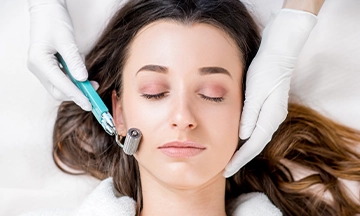
Derma rollers are used for a treatment process known as micro-needling or skin needling. It is a type of therapy that induces collagen. Thousands of highly tiny "micro-medical" needles are embedded throughout the roller, causing multiple minor micro-injuries to the
3 Feb 2023
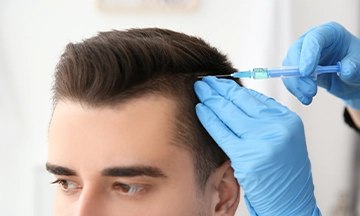
Growth Factor Concentrate Therapy, often known as GFC treatment, is a focused growth factor preparation made from an individual's blood cells that are highly safe and dedicated, and offer superior natural results. Numerous growth agents have been added to
31 Jan 2023
It is again that time of the year when you'll be accompanied by your scarfs, sunscreens and umbrellas whenever you step out of your home. Yes, the scorching season of summer is returned with all its glory! And every time
28 Apr 2022
Enquire Now