
Home/Wellness Zone/Sakra Blogs

12th Jan, 2026
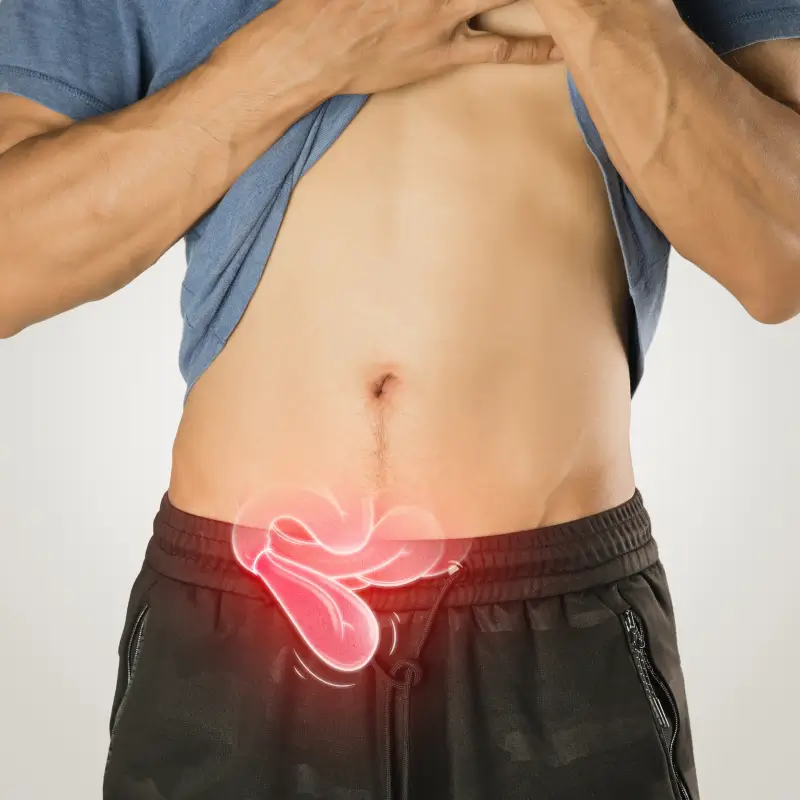
A hernia happens when an internal organ or tissue pushes through a weak spot in the muscle or surrounding tissue. It often appears as a visible bulge and may cause discomfort, especially while lifting, coughing, or standing for long periods. Hernia repair surgery is the most effective way to treat this condition and prevent serious complications.
Understanding what hernia surgery is, who needs it, and what to expect during recovery can help patients prepare better and feel more confident about the hernia operation.
Hernia surgery, also called hernia repair surgery, is a procedure to push the bulging tissue back into place and strengthen the weak muscle area. Surgeons usually repair the weakness using stitches or a medical mesh to prevent the hernia from coming back.
This surgery can be done as an open procedure or through minimally invasive techniques, depending on the size and type of hernia.
Not all hernias cause pain, but most do not heal on their own and can worsen over time. Doctors usually recommend hernia surgery for people who have:
Pain or discomfort during daily activities
Increasing size of the hernia bulge
Difficulty in walking, lifting, or exercising
Trapped hernia causing swelling and tenderness
Risk of complications like strangulation of tissue
Early hernia operation helps avoid emergency situations and long-term problems.
There are different types of hernia surgery, and the choice depends on the location and size of the hernia and the patient’s health condition.
Common types include:
Open hernia repair: A single incision is made over the hernia, the tissue is pushed back, and the muscle wall is repaired with stitches or mesh.
Laparoscopic hernia surgery: Small cuts are made, and a camera and tools are used to repair the hernia from inside, usually with mesh support.
Robotic hernia surgery: Similar to laparoscopic surgery but done using robotic assistance for more precise movements.
Minimally invasive methods usually offer quicker recovery and less post-surgery pain.
Hernia repair surgery is one of the most commonly performed surgical procedures worldwide. Millions of people undergo hernia operations every year, especially for inguinal and umbilical hernias. The success rate is very high, and most patients return to normal activities after proper recovery.
Before hernia surgery, doctors perform routine tests to ensure the patient is fit for surgery. Preparation usually includes:
Blood tests and sometimes imaging scans
Stopping certain medicines like blood thinners
Fasting for several hours before surgery
Quitting smoking to improve healing
Arranging help at home for the first few days
Following these steps helps reduce surgical risks and speeds up recovery.
During hernia repair surgery, the patient is given anesthesia to prevent pain. The surgeon then repairs the weak area in the muscle and secures it to prevent future bulging.
Steps usually include:
Giving anesthesia (local, spinal, or general)
Making surgical cuts based on the chosen method
Pushing the bulging tissue back into place
Reinforcing the muscle with stitches or mesh
Closing the incision carefully
The method used depends on the hernia type and patient's condition.
Most hernia operations take about 30 minutes to 1 hour. Complex or larger hernias may take longer. Many patients can go home the same day, especially after laparoscopic hernia surgery.
Some pain and soreness are normal after hernia surgery, especially during movement or coughing. Pain is usually mild to moderate and improves within a few days.
Pain management includes:
Prescribed pain medicines
Ice packs to reduce swelling
Gentle walking to improve circulation
After hernia repair surgery, patients are monitored for a few hours before discharge. Recovery instructions usually include:
Keeping the wound clean and dry
Avoiding heavy lifting for a few weeks
Walking daily to prevent stiffness and blood clots
Taking medicines as prescribed
Attending follow-up appointments
Complete healing of internal tissues may take several weeks.
Hernia surgery offers several long-term benefits:
Relief from pain and discomfort
Prevention of hernia enlargement
Reduced risk of serious complications
Improved ability to perform daily activities
Better quality of life
Recovery time depends on the type of hernia surgery performed and the patient’s overall health.
Typical recovery timelines include:
Light activities within a few days
Return to work in one to two weeks for desk jobs
Avoid heavy lifting for four to six weeks
Full recovery in about four to eight weeks
Laparoscopic hernia repair surgery usually allows a quicker return to normal life compared to open surgery.
Hernia repair surgery is a safe and effective solution for treating hernias and preventing future complications. Knowing what is hernia surgery, understanding the types of hernia surgery, and being aware of the recovery process helps patients feel more prepared for the hernia operation. With timely treatment and proper post-surgical care, most people recover well and return to their regular routines without discomfort.
1. What is hernia surgery, and is it necessary for all hernias?
Hernia surgery is done to repair a weak muscle area and place the bulging tissue back where it belongs. Not all hernias need immediate surgery, but most do not heal on their own and may grow larger or cause complications if left untreated.
2. Is hernia repair surgery safe?
Yes, hernia repair surgery is considered very safe, especially when performed by experienced surgeons. Serious complications are rare, and most patients recover without long-term problems.
3. Can a hernia come back after a hernia operation?
In some cases, a hernia can return, but the risk is low when mesh repair is used and proper recovery instructions are followed. Avoiding heavy lifting during healing also reduces the chance of recurrence.
4. Which is better, open or laparoscopic hernia surgery?
Both types of hernia surgery are effective. Laparoscopic surgery usually causes less pain and allows faster recovery, while open surgery may be better for very large or complicated hernias. Your doctor will suggest the best option for you.
5. Will I need to stay in the hospital after hernia repair surgery?
Many patients go home the same day, especially after laparoscopic hernia surgery. Some may need an overnight stay if the hernia is large or if there are other medical conditions.

Senior Consultant & Lead – General Surgery, Laparoscopic & Robotic Surgery
Book an Appointment
Gallstones are a common digestive problem that can cause significant discomfort and complications if left untreated. While some people may not experience symptoms, others may develop severe pain and require medical attention. Understanding gallstone surgery, its types, and recovery
21 Jul 2026

Nipple discharge is a condition where fluid comes out of one or both nipples, either on its own or when pressure is applied. While it can be alarming, especially if unexpected, not all cases are serious. Many people often
7 Jul 2026

Breast pain is one of the most common concerns women experience at some point in their lives. It can feel mild, sharp, heavy, or even constant, which often leads to worry. Many people frequently ask questions like why breast
7 Jul 2026
Digestive system disorders can range from mild conditions to complex diseases that require surgery. Traditionally, gastrointestinal (GI) surgery involved large abdominal incisions, longer hospital stays, and extended recovery periods. Today, robotic gastrointestinal surgery offers a minimally invasive alternative
7 Apr 2026
The thyroid is a small, butterfly-shaped gland located at the front of the neck. It plays an important role in controlling metabolism, heart rate, energy levels, and body temperature. When thyroid problems cannot be managed with medicines alone, doctors
12 Jan 2026
Enquire Now