
Home/Wellness Zone/Sakra Blogs

24th Mar, 2026
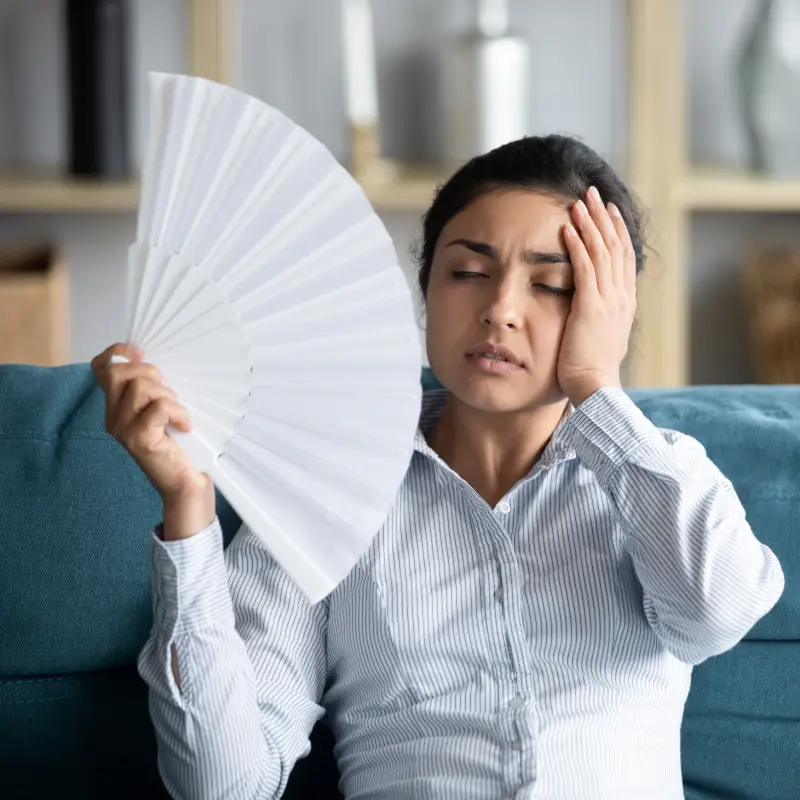
As summer temperatures rise, many people experience symptoms like fatigue, dizziness, and excessive sweating. While these may seem like simple dehydration, they can also indicate heat exhaustion, a more serious heat-related illness.
Understanding the difference between dehydration and heat exhaustion is crucial, as early recognition can prevent complications such as heatstroke, which can be life-threatening.
Dehydration occurs when your body loses more fluids than it takes in, affecting normal bodily functions. It can develop gradually and is often caused by inadequate water intake, excessive sweating, or illness.
Heat exhaustion is a heat-related condition caused by prolonged exposure to high temperatures, especially when combined with dehydration. It occurs when your body struggles to regulate its temperature.
If untreated, heat exhaustion can progress to heatstroke, a medical emergency.
| Feature | Dehydration | Heat Exhaustion |
| Cause | Lack of fluids | Prolonged heat exposure + fluid loss |
| Body Temperature | Usually normal | Elevated (but < 40°C) |
| Sweating | Reduced or normal | Heavy sweating |
| Skin | Dry or slightly dry | Cool, clammy |
| Pulse | Normal or slightly increased | Rapid, weak pulse |
| Symptoms | Thirst, fatigue, dry mouth | Dizziness, nausea, headache, fainting |
| Severity | Mild to moderate | Moderate to severe |
Your body shows early warning signs when it lacks enough fluids:
Thirst and dry mouth
Dark yellow urine
Fatigue and weakness
Headaches
Reduced urination
Dry skin and lips
Heat exhaustion occurs when the body overheats, especially in hot conditions:
Heavy sweating
Cold, pale, or clammy skin
Dizziness or fainting
Nausea or vomiting
Muscle cramps
Rapid heartbeat
Headache
How to Identify the Difference Quickly
A few key signs can help you quickly understand what your body is experiencing:
If you feel thirsty with dry skin and less urination, it is likely dehydration.
If you experience heavy sweating, dizziness, nausea, and weakness after heat exposure, it may be heat exhaustion.
A rise in body temperature with confusion or fainting requires immediate medical attention.
Certain groups are more vulnerable and need extra care, especially in hot weather conditions:
Children and elderly individuals
Outdoor workers
Athletes
People with chronic illnesses
Individuals exposed to high temperatures for long periods
Seek immediate medical care if you notice:
Fainting or confusion
Persistent vomiting
Body temperature above 39–40°C
Rapid heartbeat or breathing
Symptoms not improving with rest and hydration
Drink water or oral rehydration solutions (ORS)
Rest in a cool place
Avoid caffeine and alcohol
Move to a cool or shaded area
Lie down and elevate legs
Drink cool fluids
Apply cool compresses or take a cool shower
Stay hydrated throughout the day
Avoid outdoor activity during peak heat (12 PM–4 PM)
Wear light, breathable clothing
Take frequent breaks if working outdoors
Include electrolyte-rich fluids in your diet
At Sakra World Hospital, our emergency and internal medicine teams are equipped to manage heat-related illnesses and dehydration effectively. Treatment includes:
Rapid cooling techniques
IV fluids and electrolyte correction
Continuous monitoring and supportive care
Early diagnosis and timely treatment can prevent complications and ensure a quick recovery.
While dehydration and heat exhaustion may share similar symptoms, they differ in severity and underlying causes. Recognizing the warning signs early can help you take the right action and avoid serious health risks.
Stay hydrated, avoid excessive heat exposure, and seek medical attention if symptoms worsen—your body depends on it.
1. Is heat exhaustion the same as dehydration?
No, dehydration is fluid loss, while heat exhaustion is a more serious condition caused by prolonged heat exposure combined with dehydration.
2. Can dehydration lead to heat exhaustion?
Yes, dehydration increases the risk of heat exhaustion as it affects the body’s ability to regulate temperature.
3. How long does heat exhaustion last?
With proper treatment, symptoms usually improve within a few hours, but rest and hydration are essential.
4. What is the fastest way to recover from dehydration?
Drinking water, ORS, or electrolyte fluids and resting in a cool environment helps recovery.
5. When does heat exhaustion become dangerous?
If untreated, it can progress to heatstroke, which is life-threatening and requires emergency care.
Lymphatic filariasis, commonly known as filariasis or elephantiasis, is a parasitic infection that affects the lymphatic system. It is transmitted through the bite of infected mosquitoes and can cause swelling of the legs, arms, breasts or genital area when
18 Aug 2026
Night sweats refer to excessive sweating during sleep that is not simply caused by a warm room, heavy bedding or excessive clothing. While occasional sweating at night can be normal, repeated or severe episodes may sometimes indicate an
18 Aug 2026
Lung cancer has the highest rate of disability-adjusted life years of all cancers in India. Traditionally considered a male-dominant, smoking-related disease, it is now increasingly seen in women particularly non-smokers, challenging long-held assumptions. This trend highlights the growing role
22 May 2026

Typhoid fever is a serious systemic infection caused by the bacterium Salmonella Typhi. Unlike common food poisoning, this bacteria specifically targets humans and spreads through the "fecal-oral" route—typically via contaminated food or water in areas with poor sanitation. Early detection is
16 Apr 2026

As a cancer specialist practising in Bangalore for over two decades, I have watched the face of cancer change dramatically. The patient sitting across from me today is often not a retired grandparent but a 28-year-old software engineer, a
14 Apr 2026

Bengaluru’s summer brings intense heat combined with high humidity, leading to rapid dehydration and a spike in illnesses. Heavy sweating, contaminated food/water, and irregular habits have caused a reported 20% rise in gastrointestinal problems like stomach infections, acidity, diarrhea, and
7 Apr 2026

Summer in Bengaluru isn’t just about the heat; it’s also the time when water-borne diseases like Typhoid, Cholera, and Gastroenteritis tend to spike. As the city faces water shortages, many of us rely on tankers or stored water, which can
7 Apr 2026

Staying hydrated during summer is not just about comfort—it’s essential for survival. As temperatures rise, your body loses fluids more rapidly through sweat, increasing the risk of dehydration. What often starts as mild fluid loss can quickly escalate into
24 Mar 2026
As an internal medicine specialist, I have observed a significant surge in patients across Bangalore struggling with a "never-ending" dry cough. While many assume it is a standard cold, the reality is more complex. The primary culprit is the
3 Feb 2026
Enquire Now