

Home/Wellness Zone/Sakra Blogs

23rd Feb, 2026
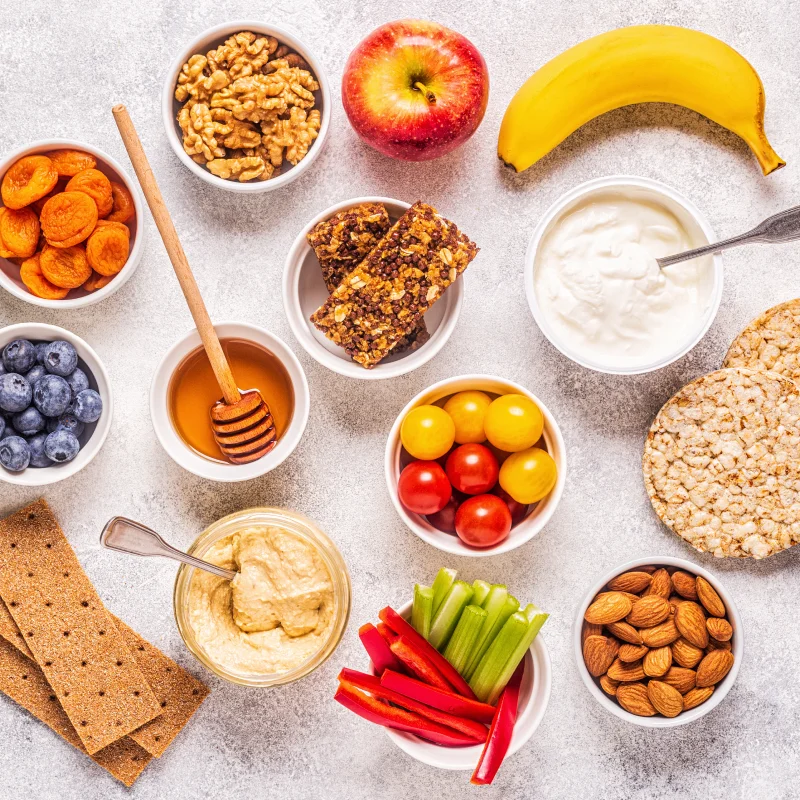
Teenage years are a time of rapid growth, hormonal changes, and increased academic and physical demands. What teens eat during this phase directly impacts their energy levels, concentration, mood, immunity, and long-term health. Choosing the right healthy snacks for teens can make a big difference in supporting their growing bodies and active minds.
Instead of reaching for processed chips, sugary drinks, or packaged junk food, teens benefit more from balanced, nutrient-dense options. The good news is that healthy food for teenagers does not have to be boring. With the right combinations, snacks can be both nutritious and tasty.
Teenagers often have irregular meal patterns due to school, tuition, sports, and social activities. This makes snacks an important part of daily nutrition. The right food for teenagers should provide:
Steady energy throughout the day
Protein for muscle growth
Calcium and vitamin D for bone development
Iron for preventing fatigue
Fiber for digestive health
Healthy fats for brain function
Skipping meals or choosing processed snacks can lead to energy crashes, poor focus in class, weight gain, and nutrient deficiencies. Well-planned snacks for students help maintain blood sugar levels and improve concentration during long school hours.
Not all snacks are created equal. A healthy snack should ideally include:
Protein – Keeps teens full and supports growth
Fiber – Aids digestion and controls hunger
Healthy fats – Supports brain development
Complex carbohydrates – Provide sustained energy
Avoid snacks that are high in refined sugar, excessive salt, and unhealthy fats. The goal is to combine nutrients in a balanced way.
Here are nutritious and practical options that teens will actually enjoy.
Fruit and Nut Mix: Provides protein, healthy fats, and fiber for sustained energy. Found in almonds, walnuts, cashews, raisins, and dates.
Greek Yogurt with Fruits: Supports bone strength and muscle growth with protein and calcium. Found in plain Greek yogurt topped with berries, banana, or apple slices.
Peanut Butter on Whole-Grain/multigrain Toast: Gives sustained energy and healthy fats. Found in whole-grain bread with natural peanut butter.
Boiled Eggs: Deliver high-quality protein and essential vitamins. Found in simply boiled eggs seasoned lightly for taste.
Smoothies: Boosts calcium, protein, and essential nutrients. Found in blends of milk or yogurt with fruits, nuts, and seeds.
Roasted Chickpeas: It provides plant-based protein and fiber for fullness. Found in dry-roasted chana or chickpeas.
Vegetable Sandwich or Wrap: Supplies fiber, vitamins, and steady energy. Found in whole-grain wraps filled with fresh vegetables and paneer or hummus.
Homemade Energy Bars: It offers long-lasting energy and natural sweetness. Found in bars made with oats, nuts, seeds, and dates.
Air-Popped Popcorn: Provides whole-grain fiber in a light snack. Found in air-popped corn without excess butter or salt.
Baked vegetables: Corn & baked sweet potatoes with slight seasoning.
Teenage nutrition should prioritize key nutrients that support growth and development.
Protein: Supports muscle growth and repair. Found in eggs, dairy, legumes, nuts, soybean and lean meats.
Calcium: Essential for strong bones and teeth. Found in milk, yogurt, cheese, and leafy greens, chickpeas & beans.
Iron: Prevents fatigue and supports oxygen transport. Found in green vegetables, beans, and lean meats.
Healthy Fats: Important for brain development and energy. Found in nuts, seeds, avocados, and fatty fish.
Fiber: Supports digestion and long-lasting fullness. Found in fruits, vegetables, and whole grains, beans.
Choosing the right food for teenagers ensures they get these nutrients regularly.
Busy schedules can make healthy eating challenging. Here are practical tips to help teens choose better snacks for students:
Prepare snacks in advance to avoid last-minute junk food choices.
Keep fruits washed and ready to eat.
Carry a water bottle to prevent dehydration.
Avoid skipping breakfast, which often leads to overeating later.
Read food labels to check sugar, fat and salt content.
Parents can support teens by keeping healthy options easily available at home.
While occasional treats are fine, regular consumption of the following should be minimized:
Sugary sodas and energy drinks
Packaged chips and fried snacks
Candy and chocolates
Instant noodles
Processed baked goods
These foods provide empty calories and little nutritional value, which does not support healthy growth.
Teenagers are more likely to choose healthy snacks when they are flavorful and visually appealing. Adding herbs, mild spices, or creative combinations can make nutritious food more enjoyable. The key is not to restrict completely but to guide smarter choices.
Healthy eating habits formed during adolescence often continue into adulthood. Encouraging balanced, healthy snacks for teens builds a strong foundation for lifelong wellness.
Teenage years demand proper nutrition to support rapid growth, academic performance, sports activities, and emotional well-being. Choosing the right healthy food for teenagers ensures they receive essential nutrients without excess sugar or unhealthy fats.
With thoughtful planning, food for teenagers can be both nourishing and delicious. From nuts and yogurt to smoothies and whole-grain wraps, there are plenty of simple and practical options available. Prioritizing balanced snacks for students helps maintain energy, focus, and overall health throughout the day.
Healthy snacking is not about strict rules. It is about making smarter, consistent choices that support growing bodies and active minds.
1. Why is healthy food important for teenagers?
Healthy food for teenagers supports rapid physical growth, brain development, hormonal balance, and strong immunity. Proper nutrition also improves concentration, mood, and academic performance.
2. How often should teenagers snack?
Teens can have 1–2 healthy snacks between meals, especially during long school days, during snack break or pre or post sports activities. Snacks should complement meals, not replace them.
3. Are packaged snacks bad for teenagers?
Occasional treats are fine, but frequent consumption of chips, sugary drinks, and processed snacks can lead to weight gain, low energy, and nutrient deficiencies.
Fatty liver disease is one of the most common lifestyle-related conditions today. The encouraging part is that in its early stages, it can often be reversed naturally with the right diet and lifestyle changes. Your liver has a remarkable
24 Mar 2026
Fatty liver disease is becoming increasingly common due to sedentary lifestyles, unhealthy eating habits, and rising obesity rates. The good news is that in many cases, diet and lifestyle changes can significantly improve liver health. Following the right fatty
24 Mar 2026
Enquire Now