
Home/Wellness Zone/Sakra Blogs

24th Mar, 2026

Staying hydrated during summer is not just about comfort—it’s essential for survival. As temperatures rise, your body loses fluids more rapidly through sweat, increasing the risk of dehydration. What often starts as mild fluid loss can quickly escalate into a serious health concern if ignored.
Recognizing the early signs of dehydration in summer can help you take timely action and prevent complications such as heat exhaustion or heatstroke. In this blog, we’ll explore the warning signs, causes, risk groups, and when to seek medical care.
Dehydration occurs when your body loses more fluids than it consumes, disrupting normal bodily functions. Since nearly 60% of the human body is made up of water, even a small fluid imbalance can affect your energy levels, brain function, and overall health.
During summer, dehydration risk increases due to:
Excessive sweating
High temperatures and humidity
Prolonged outdoor exposure
Inadequate fluid intake
Dehydration during summer is often caused by a combination of heat exposure and fluid loss:
Not drinking enough water
Excessive sweating due to heat or exercise
Heatwaves or prolonged sun exposure
Fever, vomiting, or diarrhea
Consumption of caffeine or alcohol
Certain medications like diuretics
Identifying these early symptoms can prevent serious complications:
1. Persistent Thirst & Dry Mouth
Feeling thirsty is your body’s first warning signal. A dry or sticky mouth indicates you already need fluids.
2. Dark Yellow Urine
Healthy urine is light in color. Dark yellow or strong-smelling urine is a clear sign of dehydration.
3. Fatigue & Low Energy
Lack of fluids reduces blood circulation, making you feel unusually tired or weak.
4. Dizziness or Lightheadedness
Fluid loss can lower blood pressure, causing dizziness—especially when standing up quickly.
5. Headaches
Dehydration can trigger headaches due to reduced oxygen and blood flow to the brain.
6. Dry Skin & Chapped Lips
Skin may feel dry, less elastic, and lips may crack when hydration levels drop.
7. Reduced Urination
Urinating less frequently (every 6–8 hours or more) is a warning sign.
8. Muscle Cramps
Loss of fluids and electrolytes can lead to painful muscle cramps, especially in summer.
9. Poor Concentration or Brain Fog
You may feel mentally sluggish, irritable, or unable to focus.
Children are more vulnerable during the summer. Watch for:
Fewer wet diapers
Dry lips and tongue
No tears while crying
Irritability or excessive sleepiness
Sunken eyes
Older adults may not feel thirsty even when dehydrated. Symptoms include:
Confusion or disorientation
Dry mouth and skin
Constipation
Low urine output
Rapid heartbeat
Dehydration impacts multiple organs:
Dizziness
Difficulty concentrating
Reduced kidney function
Increased risk of kidney stones
Urinary infections
Low blood pressure
Rapid pulse
Irregular heartbeat
Constipation
Bloating
Sluggish digestion
Seek immediate medical attention if you notice:
No urination for 8 hours or more
Severe dizziness or fainting
Confusion or unusual drowsiness
Extremely dry mouth and sunken eyes
Rapid heartbeat or breathing
Drink at least 8–10 glasses of water
Increase intake during outdoor activity
Carry a water bottle
Watermelon, cucumber, oranges
Coconut water and fresh juices
Soups and buttermilk
Reduce caffeine and alcohol
Avoid sugary sodas
Avoid peak sun hours (12 PM–4 PM)
Wear light, breathable clothing
At Sakra World Hospital, we provide comprehensive care for dehydration across all age groups. Our team of experienced physicians ensures prompt diagnosis and effective treatment through:
Intravenous (IV) fluid therapy
Electrolyte correction
Continuous monitoring and supportive care
Whether it’s mild dehydration or a heat-related emergency, timely medical intervention can prevent complications and ensure a safe recovery.
Dehydration during summer is common but often overlooked until symptoms worsen. Paying attention to early warning signs—such as thirst, fatigue, and dark urine—can help you stay ahead of serious health issues.
Make hydration a daily priority, especially during hot weather, and seek medical care if symptoms persist or worsen.
1. What are the first signs of dehydration in summer?
The earliest signs include thirst, dry mouth, dark yellow urine, fatigue, and headaches. These symptoms indicate that your body is already losing fluids and needs hydration.
2. How can I tell if I am dehydrated quickly?
A simple way is to check your urine color—dark yellow suggests dehydration. Other quick signs include feeling dizzy, tired, or having dry lips and skin.
3. How much water should I drink during summer?
Most adults should drink 8–10 glasses of water daily, but this may increase depending on heat exposure, physical activity, and individual health conditions.
4. Can dehydration cause dizziness and weakness?
Yes, dehydration reduces blood volume, which can lead to low blood pressure, dizziness, weakness, and even fainting in severe cases.
5. Who is at higher risk of dehydration in summer?
Children, elderly individuals, outdoor workers, athletes, and people with chronic illnesses are more prone to dehydration, especially during hot weather.
6. When should I see a doctor for dehydration?
Seek medical attention if you experience confusion, no urination for several hours, severe dizziness, or fainting, as these may indicate serious dehydration.
7. What are the best drinks to prevent dehydration?
Water, coconut water, oral rehydration solutions (ORS), and fresh fruit juices are effective in maintaining hydration. Avoid excessive caffeine and alcohol.
8. Can dehydration be dangerous if ignored?
Yes, untreated dehydration can lead to heat exhaustion, heatstroke, kidney problems, and low blood pressure, which may become life-threatening.
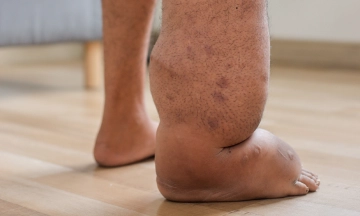
Lymphatic filariasis, commonly known as filariasis or elephantiasis, is a parasitic infection that affects the lymphatic system. It is transmitted through the bite of infected mosquitoes and can cause swelling of the legs, arms, breasts or genital area when
18 Aug 2026
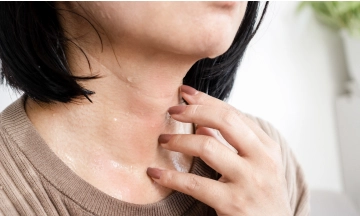
Night sweats refer to excessive sweating during sleep that is not simply caused by a warm room, heavy bedding or excessive clothing. While occasional sweating at night can be normal, repeated or severe episodes may sometimes indicate an
18 Aug 2026

Lung cancer has the highest rate of disability-adjusted life years of all cancers in India. Traditionally considered a male-dominant, smoking-related disease, it is now increasingly seen in women particularly non-smokers, challenging long-held assumptions. This trend highlights the growing role
22 May 2026

Typhoid fever is a serious systemic infection caused by the bacterium Salmonella Typhi. Unlike common food poisoning, this bacteria specifically targets humans and spreads through the "fecal-oral" route—typically via contaminated food or water in areas with poor sanitation. Early detection is
16 Apr 2026

As a cancer specialist practising in Bangalore for over two decades, I have watched the face of cancer change dramatically. The patient sitting across from me today is often not a retired grandparent but a 28-year-old software engineer, a
14 Apr 2026

Bengaluru’s summer brings intense heat combined with high humidity, leading to rapid dehydration and a spike in illnesses. Heavy sweating, contaminated food/water, and irregular habits have caused a reported 20% rise in gastrointestinal problems like stomach infections, acidity, diarrhea, and
7 Apr 2026

Summer in Bengaluru isn’t just about the heat; it’s also the time when water-borne diseases like Typhoid, Cholera, and Gastroenteritis tend to spike. As the city faces water shortages, many of us rely on tankers or stored water, which can
7 Apr 2026

As summer temperatures rise, many people experience symptoms like fatigue, dizziness, and excessive sweating. While these may seem like simple dehydration, they can also indicate heat exhaustion, a more serious heat-related illness. Understanding the difference between dehydration and heat
24 Mar 2026

As an internal medicine specialist, I have observed a significant surge in patients across Bangalore struggling with a "never-ending" dry cough. While many assume it is a standard cold, the reality is more complex. The primary culprit is the
3 Feb 2026
Enquire Now