
Home/Wellness Zone/Sakra Blogs

3rd Feb, 2026
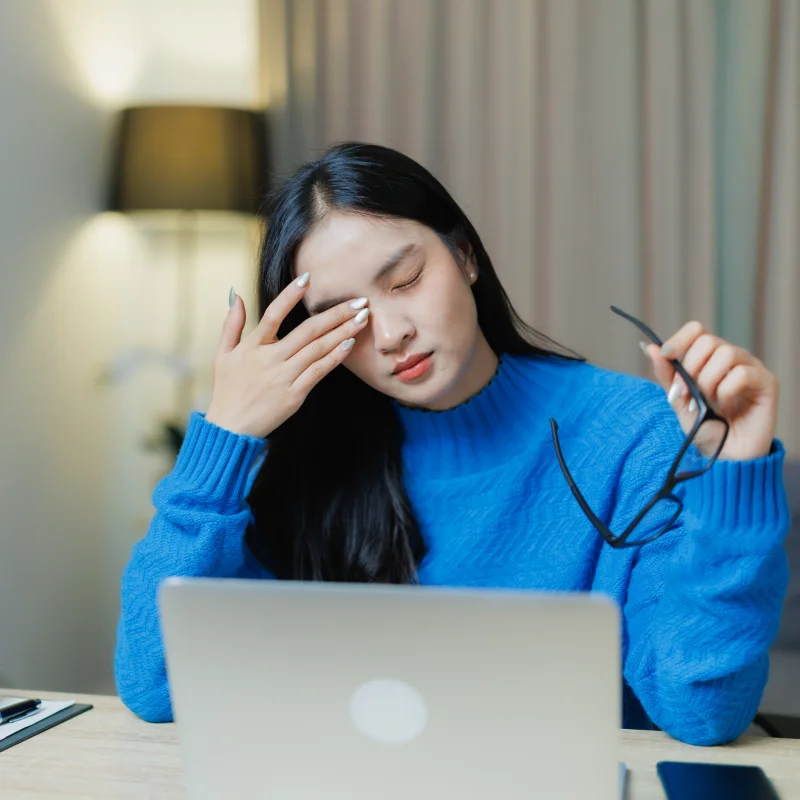
DES has become a modern lifestyle epidemic in urban centers like Bengaluru. It is a group of ocular and musculoskeletal issues caused by prolonged interaction with 2D digital pixels, which the human eye is not biologically adapted to focus on for extended periods. Unlike reading from a physical page, screen viewing involves constant flickering, glare, and high contrast, forcing the eye's ciliary muscles into a state of continuous contraction.
The primary medical trigger of DES is a significant reduction in blink rate, which typically drops from 15–20 times per minute to just 5–7 times while staring at a screen. This leads to rapid evaporation of the tear film, causing "dry eye" symptoms such as burning, redness, and a gritty sensation. Beyond the eyes, the syndrome often presents with "Tech-Neck"—musculoskeletal strain in the neck and shoulders caused by poor posture—and frequent tension headaches.
Management is centered on behavioral interventions rather than just medication. The clinical standard is the 20-20-20 Rule: every 20 minutes, look at an object 20 feet away for at least 20 seconds to allow the focusing muscles to relax. Ergonomic adjustments, such as positioning the monitor 20 degrees below eye level and maintaining an arm’s length distance, are vital to reducing accommodative stress. For persistent dryness, preservative-free artificial tears are the first line of medical relief.
As an Internal Medicine specialist, it is crucial to screen for underlying conditions like Vitamin B12 deficiency or uncorrected astigmatism, which can exacerbate screen fatigue. While digital devices do not typically cause permanent vision loss, chronic strain can severely impact productivity and quality of life. Encouraging regular eye exams and "digital hygiene" is essential for long-term ocular health in our increasingly screen-dependent world.
Lymphatic filariasis, commonly known as filariasis or elephantiasis, is a parasitic infection that affects the lymphatic system. It is transmitted through the bite of infected mosquitoes and can cause swelling of the legs, arms, breasts or genital area when
18 Aug 2026
Night sweats refer to excessive sweating during sleep that is not simply caused by a warm room, heavy bedding or excessive clothing. While occasional sweating at night can be normal, repeated or severe episodes may sometimes indicate an
18 Aug 2026

Lung cancer has the highest rate of disability-adjusted life years of all cancers in India. Traditionally considered a male-dominant, smoking-related disease, it is now increasingly seen in women particularly non-smokers, challenging long-held assumptions. This trend highlights the growing role
22 May 2026

Typhoid fever is a serious systemic infection caused by the bacterium Salmonella Typhi. Unlike common food poisoning, this bacteria specifically targets humans and spreads through the "fecal-oral" route—typically via contaminated food or water in areas with poor sanitation. Early detection is
16 Apr 2026

As a cancer specialist practising in Bangalore for over two decades, I have watched the face of cancer change dramatically. The patient sitting across from me today is often not a retired grandparent but a 28-year-old software engineer, a
14 Apr 2026

Bengaluru’s summer brings intense heat combined with high humidity, leading to rapid dehydration and a spike in illnesses. Heavy sweating, contaminated food/water, and irregular habits have caused a reported 20% rise in gastrointestinal problems like stomach infections, acidity, diarrhea, and
7 Apr 2026

Summer in Bengaluru isn’t just about the heat; it’s also the time when water-borne diseases like Typhoid, Cholera, and Gastroenteritis tend to spike. As the city faces water shortages, many of us rely on tankers or stored water, which can
7 Apr 2026

As summer temperatures rise, many people experience symptoms like fatigue, dizziness, and excessive sweating. While these may seem like simple dehydration, they can also indicate heat exhaustion, a more serious heat-related illness. Understanding the difference between dehydration and heat
24 Mar 2026

Staying hydrated during summer is not just about comfort—it’s essential for survival. As temperatures rise, your body loses fluids more rapidly through sweat, increasing the risk of dehydration. What often starts as mild fluid loss can quickly escalate into
24 Mar 2026
Enquire Now