

Home/Wellness Zone/Sakra Blogs

14th Apr, 2026

As a cancer specialist practising in Bangalore for over two decades, I have watched the face of cancer change dramatically. The patient sitting across from me today is often not a retired grandparent but a 28-year-old software engineer, a 34-year-old new mother, a 31-year-old start up founder. Bright, ambitious people with everything ahead of them — blindsided by a diagnosis they never saw coming.
This is not anecdote. It is a global trend with local urgency. Breast, colorectal, thyroid, cervical, and even lung cancers are rising steadily among adults under 40. India, with its rapid lifestyle transformation over the past two decades, is seeing this shift accelerate faster than most nations. We are not just talking about numbers on a graph. We are talking about your colleagues, your friends, your family members.
The causes are not exotic or mysterious. They are written into our daily routines. Sedentary jobs that chain us to screens for ten hours. Chronic sleep deprivation worn as a badge of hustle culture. Diets built around ultra-processed food, sugary beverages, and delivery apps. Rising alcohol consumption. Tobacco in its many disguises. Obesity, which is now understood to be a significant driver of at least thirteen types of cancer. And layered over all of this — unrelenting, unmanaged stress that quietly suppresses our immune defences year after year.
Add to this our growing exposure to environmental pollutants, and a troubling cultural reluctance to seek medical attention until something feels seriously wrong, and you begin to understand why oncology wards across Bangalore are getting younger.
Here is what I want every young person in this city to understand: cancer detected early is, in the majority of cases, a very treatable disease. Stage one breast cancer has a survival rate exceeding 95%. Early-stage colorectal cancer is largely curable. The difference between a good outcome and a devastating one is often simply time — and time is determined by how quickly you pay attention.
Know your body. An unexplained lump anywhere. Persistent fatigue that sleep does not fix. Unusual bleeding. A cough that lingers beyond three weeks. Sudden, unintended weight loss. These are signals, not inconveniences. Do not normalise them. Do not defer them to next month. See a doctor.
Know your family history. Cancers of the breast, ovary, colon, and prostate can carry a genetic thread. If a close relative was diagnosed young, tell your physician. Genetic counselling and targeted screening can be genuinely life-saving.
Prevention is not about perfection. It is about consistent, small choices that compound over time — much like good engineering or sound investing.
Move your body for at least 30 minutes every day. Not to look a certain way, but because physical activity directly reduces cancer risk. Sleep seven to eight hours — your immune system does its most critical repair work at night, and chronic sleep loss has measurable consequences for cellular health. Eat predominantly real, whole food. Limit alcohol. If you smoke, stop — no qualification, no compromise. Manage stress actively, through exercise, community, therapy, or whatever works for you.
And please — attend your screenings. A cervical smear test. A mammogram after 40, or earlier with family history. A colonoscopy if your doctor recommends one. These are not frightening procedures. They are quiet acts of self-respect.
I want to end not with fear, but with something I witness every single day in my clinic: resilience. The science of oncology has advanced at a breathtaking pace. Targeted therapies, immunotherapy, precision medicine, and early liquid biopsies are transforming what a cancer diagnosis means. Patients who would have had very limited options a decade ago are today living full, active lives.
Bangalore is a city that solves hard problems for a living. Cancer is a hard problem — but it is not an unsolvable one. The most powerful tools at your disposal right now are not pharmaceutical. They are awareness, lifestyle, and the simple willingness to listen to your body before it is forced to shout.
You are young. You are capable. And you have every reason to protect the most sophisticated system you will ever be given — the one you were born with
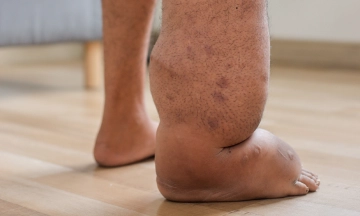
Lymphatic filariasis, commonly known as filariasis or elephantiasis, is a parasitic infection that affects the lymphatic system. It is transmitted through the bite of infected mosquitoes and can cause swelling of the legs, arms, breasts or genital area when
18 Aug 2026
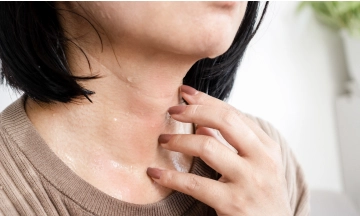
Night sweats refer to excessive sweating during sleep that is not simply caused by a warm room, heavy bedding or excessive clothing. While occasional sweating at night can be normal, repeated or severe episodes may sometimes indicate an
18 Aug 2026
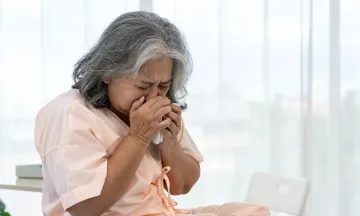
Lung cancer has the highest rate of disability-adjusted life years of all cancers in India. Traditionally considered a male-dominant, smoking-related disease, it is now increasingly seen in women particularly non-smokers, challenging long-held assumptions. This trend highlights the growing role
22 May 2026
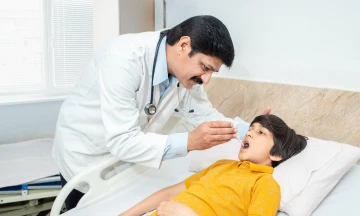
Typhoid fever is a serious systemic infection caused by the bacterium Salmonella Typhi. Unlike common food poisoning, this bacteria specifically targets humans and spreads through the "fecal-oral" route—typically via contaminated food or water in areas with poor sanitation. Early detection is
16 Apr 2026

Bengaluru’s summer brings intense heat combined with high humidity, leading to rapid dehydration and a spike in illnesses. Heavy sweating, contaminated food/water, and irregular habits have caused a reported 20% rise in gastrointestinal problems like stomach infections, acidity, diarrhea, and
7 Apr 2026

Summer in Bengaluru isn’t just about the heat; it’s also the time when water-borne diseases like Typhoid, Cholera, and Gastroenteritis tend to spike. As the city faces water shortages, many of us rely on tankers or stored water, which can
7 Apr 2026

As summer temperatures rise, many people experience symptoms like fatigue, dizziness, and excessive sweating. While these may seem like simple dehydration, they can also indicate heat exhaustion, a more serious heat-related illness. Understanding the difference between dehydration and heat
24 Mar 2026

Staying hydrated during summer is not just about comfort—it’s essential for survival. As temperatures rise, your body loses fluids more rapidly through sweat, increasing the risk of dehydration. What often starts as mild fluid loss can quickly escalate into
24 Mar 2026
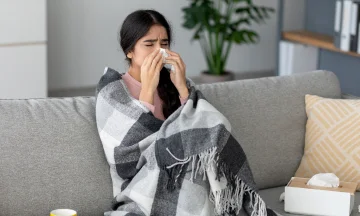
As an internal medicine specialist, I have observed a significant surge in patients across Bangalore struggling with a "never-ending" dry cough. While many assume it is a standard cold, the reality is more complex. The primary culprit is the
3 Feb 2026
Enquire Now