
Home/Wellness Zone/Sakra Blogs

24th Mar, 2026
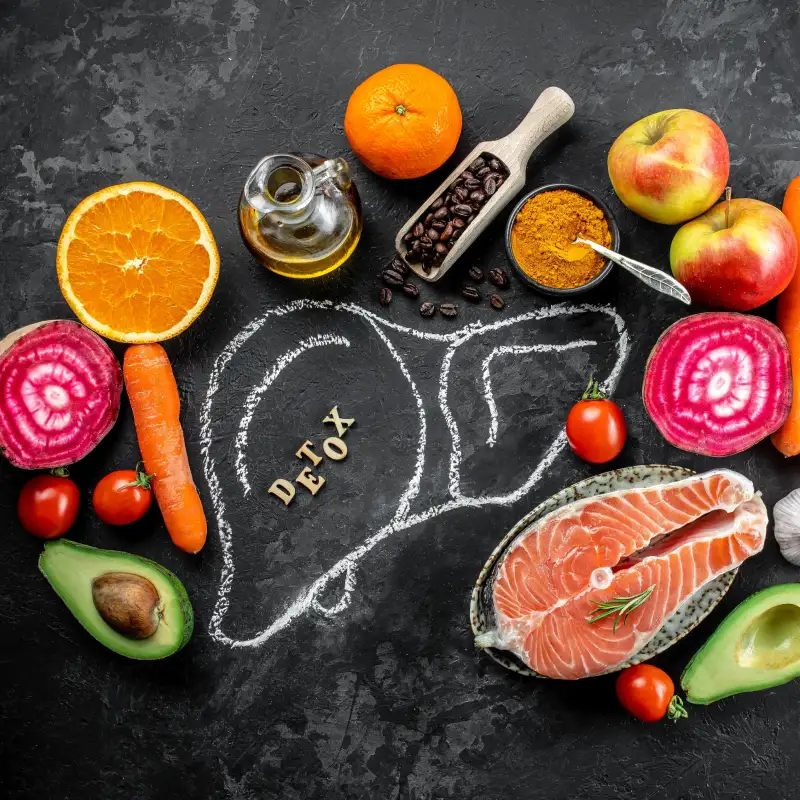
Fatty liver disease is becoming increasingly common due to sedentary lifestyles, unhealthy eating habits, and rising obesity rates. The good news is that in many cases, diet and lifestyle changes can significantly improve liver health.
Following the right fatty liver diet can help reduce fat accumulation in the liver, improve metabolism, and prevent complications.
Fatty Liver Disease occurs when excess fat builds up in liver cells. It is broadly classified into:
Non-alcoholic fatty liver disease (NAFLD)
Alcoholic fatty liver disease
If left untreated, it can progress to inflammation, liver damage, or even cirrhosis.
The liver plays a key role in metabolism and detoxification. A poor diet—high in sugar, unhealthy fats, and processed foods—can worsen fat accumulation in the liver.
A balanced diet helps:
Reduce liver fat
Improve insulin sensitivity
Support liver function
Prevent disease progression
Choosing the right foods can help reduce liver fat and support overall liver function:
1. Leafy Green Vegetables
Spinach, kale, and fenugreek help reduce fat buildup and support liver detox.
2. Fruits (in Moderation)
Apples, berries, and citrus fruits are rich in antioxidants that protect liver cells.
3. Whole Grains
Brown rice, oats, and whole wheat improve digestion and help regulate blood sugar levels.
4. Nuts & Seeds
Almonds, walnuts, and flaxseeds provide healthy fats and reduce inflammation.
5. Fatty Fish
Salmon and sardines are rich in omega-3 fatty acids that help reduce liver fat.
6. Healthy Oils
Olive oil and mustard oil support heart and liver health when used in moderation.
7. Coffee (in Moderation)
Studies suggest coffee may help reduce liver inflammation and fat accumulation.
8. Plenty of Water
Staying hydrated supports detoxification and overall liver function.
Avoiding certain foods is just as important as including healthy ones when managing fatty liver:
1. Sugary Foods & Beverages
Soft drinks, sweets, and packaged juices increase fat buildup in the liver.
2. Refined Carbohydrates
White bread, pastries, and processed snacks spike blood sugar levels.
3. Fried & Junk Foods
High in unhealthy fats, these worsen liver inflammation.
4. Alcohol
Alcohol significantly damages liver cells and should be avoided.
5. Processed Foods
Packaged foods often contain preservatives, salt, and unhealthy fats.
Warm water with lemon
Oats or vegetable poha
Brown rice or roti
Dal + green vegetables
Salad
Green tea + handful of nuts
Light meal (vegetable soup / chapati + sabzi)
Making simple lifestyle changes can play a key role in managing and improving fatty liver:
Maintain a healthy weight
Exercise regularly (30–45 minutes daily)
Avoid late-night eating
Manage stress
Get adequate sleep
Consult a specialist if:
You have persistent fatigue or abdominal discomfort
Blood tests show abnormal liver enzymes
You are overweight or diabetic
Symptoms worsen despite diet changes
At Sakra World Hospital, our gastroenterology team provides comprehensive care for fatty liver disease, including:
Advanced diagnostic evaluation
Personalized diet and lifestyle plans
Medical management and monitoring
Multidisciplinary support
Early intervention can help reverse fatty liver and prevent complications.
A healthy diet is one of the most effective ways to manage and even reverse fatty liver disease. By choosing nutrient-rich foods and avoiding harmful ones, you can significantly improve your liver health and overall well-being.
Small, consistent lifestyle changes can make a big difference.
1. Can fatty liver be reversed with diet?
Yes, in many cases, fatty liver can be reversed with proper diet, weight management, and lifestyle changes.
2. Is rice good for fatty liver?
Brown rice is a better option than white rice as it has more fiber and helps regulate blood sugar.
3. Can I drink milk if I have fatty liver?
Low-fat milk can be consumed in moderation as part of a balanced diet.
4. How long does it take to improve fatty liver?
With consistent lifestyle changes, improvement can be seen within a few months.
5. Is fasting good for fatty liver?
Intermittent fasting may help some individuals, but it should be done under medical guidance.
Fatty liver disease is one of the most common lifestyle-related conditions today. The encouraging part is that in its early stages, it can often be reversed naturally with the right diet and lifestyle changes. Your liver has a remarkable
24 Mar 2026
Teenage years are a time of rapid growth, hormonal changes, and increased academic and physical demands. What teens eat during this phase directly impacts their energy levels, concentration, mood, immunity, and long-term health. Choosing the right healthy snacks for
23 Feb 2026
Enquire Now