
Home/Wellness Zone/Sakra Blogs

3rd Feb, 2026

As an internal medicine specialist, I have observed a significant surge in patients across Bangalore struggling with a "never-ending" dry cough. While many assume it is a standard cold, the reality is more complex. The primary culprit is the city's extreme diurnal temperature variation. In February, we experience a 15°C swing between chilly 6:00 AM mornings and scorching 2:00 PM afternoons. This "thermal shock" stresses the immune system and parches the protective mucosal lining of the respiratory tract, allowing viruses like H3N2 and RSV to settle in much more easily than usual.
Interestingly, this seasonal transition does not just target the lungs; it also wreaks havoc on the digestive system. We are seeing a high frequency of viral gastritis, or "stomach flu," occurring alongside respiratory symptoms. When the body is forced to rapidly regulate its internal temperature against external fluctuations, metabolic stress occurs. This can lead to sudden bloating, nausea, and indigestion. The dry heat of the afternoon often leads to subtle dehydration, which further slows down gut motility and weakens the body's overall ability to fight off these viral invaders.
Environmental factors in Bangalore act as a major "multiplier" for these symptoms. These pollutants act as microscopic vehicles, carrying viruses deeper into the lung tissues and causing chronic inflammation. This is precisely why a simple viral infection, which should typically resolve in three days, is now manifesting as a persistent, hacking cough that lingers for three weeks or more, long after the initial fever has subsided.
It is recommended to stay hydrated with 1.5–2 liters of lukewarm water and consume freshly cooked, hot meals. Individuals should avoid self-medicating viral coughs with antibiotics. Wearing a mask in dusty areas is suggested to block particles, and medical consultation is advised for high fever lasting over three days or difficulty breathing.
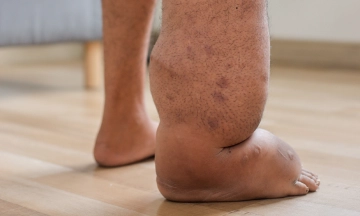
Lymphatic filariasis, commonly known as filariasis or elephantiasis, is a parasitic infection that affects the lymphatic system. It is transmitted through the bite of infected mosquitoes and can cause swelling of the legs, arms, breasts or genital area when
18 Aug 2026
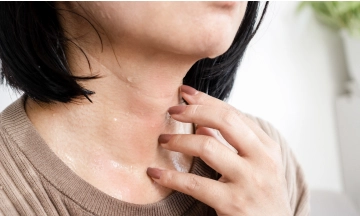
Night sweats refer to excessive sweating during sleep that is not simply caused by a warm room, heavy bedding or excessive clothing. While occasional sweating at night can be normal, repeated or severe episodes may sometimes indicate an
18 Aug 2026

Lung cancer has the highest rate of disability-adjusted life years of all cancers in India. Traditionally considered a male-dominant, smoking-related disease, it is now increasingly seen in women particularly non-smokers, challenging long-held assumptions. This trend highlights the growing role
22 May 2026

Typhoid fever is a serious systemic infection caused by the bacterium Salmonella Typhi. Unlike common food poisoning, this bacteria specifically targets humans and spreads through the "fecal-oral" route—typically via contaminated food or water in areas with poor sanitation. Early detection is
16 Apr 2026

As a cancer specialist practising in Bangalore for over two decades, I have watched the face of cancer change dramatically. The patient sitting across from me today is often not a retired grandparent but a 28-year-old software engineer, a
14 Apr 2026

Bengaluru’s summer brings intense heat combined with high humidity, leading to rapid dehydration and a spike in illnesses. Heavy sweating, contaminated food/water, and irregular habits have caused a reported 20% rise in gastrointestinal problems like stomach infections, acidity, diarrhea, and
7 Apr 2026

Summer in Bengaluru isn’t just about the heat; it’s also the time when water-borne diseases like Typhoid, Cholera, and Gastroenteritis tend to spike. As the city faces water shortages, many of us rely on tankers or stored water, which can
7 Apr 2026

As summer temperatures rise, many people experience symptoms like fatigue, dizziness, and excessive sweating. While these may seem like simple dehydration, they can also indicate heat exhaustion, a more serious heat-related illness. Understanding the difference between dehydration and heat
24 Mar 2026

Staying hydrated during summer is not just about comfort—it’s essential for survival. As temperatures rise, your body loses fluids more rapidly through sweat, increasing the risk of dehydration. What often starts as mild fluid loss can quickly escalate into
24 Mar 2026
Enquire Now