
Home/Wellness Zone/Sakra Blogs

9th Jan, 2026
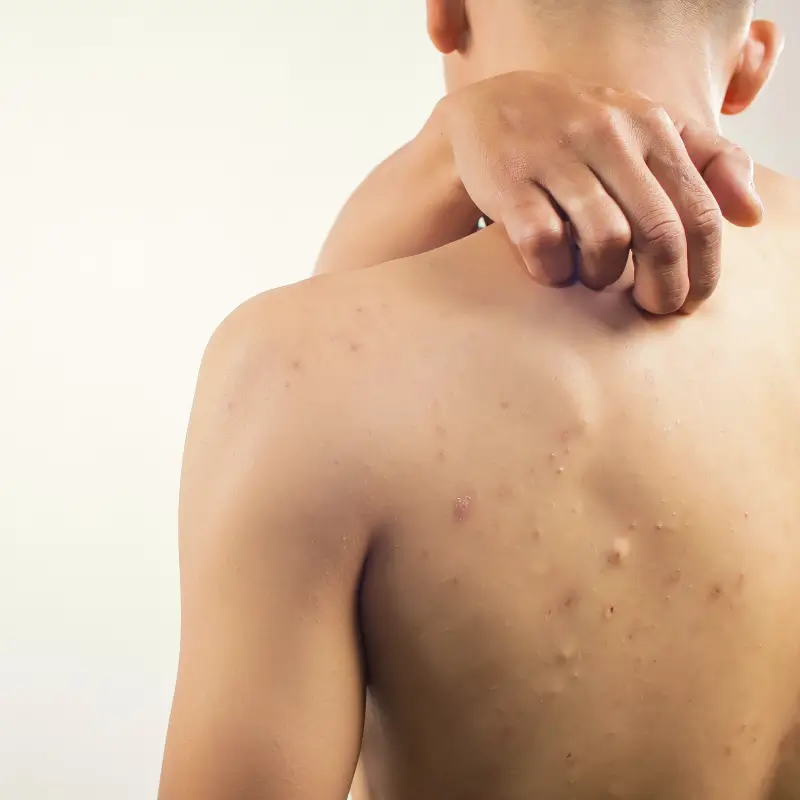
Back acne, often called bacne, is a common skin problem that affects teenagers and adults alike. It appears as pimples, blackheads, whiteheads, or painful bumps on the back and shoulders. Many people search for back acne treatment because the condition can be uncomfortable and difficult to manage due to sweat, friction from clothing, and limited access for proper cleaning. Understanding what causes back acne and learning how to treat back acne correctly can help reduce breakouts and prevent scarring.
Back acne can range from mild to severe and may affect self-confidence, especially when it leaves dark marks or scars. The good news is that with the right routine and timely treatment, it is possible to control and even cure back acne in many cases.
Back acne occurs when hair follicles on the back become blocked with oil, dead skin cells, and bacteria. This blockage leads to inflammation and the formation of pimples. The back has a high number of oil glands, which makes it more prone to acne, especially during puberty, hot weather, or periods of heavy sweating. Since the skin on the back is thicker, acne here can be deeper and more painful compared to facial acne.
Several factors contribute to back acne, including:
Excess oil production: Overactive sebaceous glands produce more oil, which clogs pores.
Dead skin cell buildup: When dead skin is not shed properly, it blocks hair follicles.
Bacterial growth: Bacteria trapped in clogged pores lead to inflammation and pimples.
Sweat and friction: Tight clothing, backpacks, and sports gear trap sweat and irritate the skin.
Hormonal changes: Puberty, menstrual cycles, pregnancy, and stress can increase oil production.
Poor hygiene after sweating: Not showering after workouts allows sweat and bacteria to stay on the skin.
Certain medications: Steroids and hormonal medicines may trigger acne breakouts.
Hair and body products: Oily shampoos, conditioners, and body lotions can clog pores on the back.
Back acne can appear in different forms, and symptoms may include:
Blackheads and whiteheads on the back
Red, inflamed pimples
Painful, deep bumps under the skin
Pus-filled lesions in severe cases
Dark marks after pimples heal
Scarring if acne is deep or frequently picked
Severe back acne can be painful and may take longer to heal, increasing the risk of permanent scars.
The best back acne treatment depends on the severity of the condition. Mild acne can often be managed with proper skincare, while moderate to severe acne may require medical treatment.
Medicated body washes: Products containing salicylic acid or benzoyl peroxide help unclog pores and kill bacteria.
Topical creams and gels: Retinoids and antibiotic creams reduce inflammation and prevent new pimples.
Oral medications: Antibiotics or hormonal therapy may be prescribed for persistent or severe cases.
Chemical peels: Help remove dead skin cells and improve skin texture.
Laser and light therapy: Used in some cases to reduce bacteria and inflammation.
Doctors choose treatment based on how widespread and deep the acne is.
Many people look for ways to manage bacne naturally or with simple lifestyle changes. While home care cannot replace medical treatment in severe cases, it helps support healing and prevent new breakouts.
Shower immediately after sweating
Use mild, non-comedogenic body cleansers
Avoid scrubbing the back too harshly
Wear loose, breathable cotton clothing
Wash workout clothes regularly
Avoid oily lotions and hair products on the back
Keep long hair clean and off the back when possible
Do not pick or squeeze pimples
These steps are helpful for those wondering how to treat back acne at home and can significantly reduce mild breakouts.
Many people ask how to cure back acne permanently. While there is no instant cure, consistent treatment and lifestyle changes can keep acne under control for the long term.
Follow a regular skincare routine
Manage stress levels
Maintain a healthy diet with less sugary and oily food
Consult a dermatologist if acne keeps returning
With the right approach, most people can achieve clear skin or greatly reduce breakouts.
Preventing acne is often easier than treating repeated breakouts. Helpful prevention steps include:
Bathe daily and after heavy sweating
Use clean towels and bedsheets
Avoid tight-fitting clothing for long periods
Choose skincare products labeled non-comedogenic
Avoid sharing towels or clothing
Maintain a balanced diet and proper hydration
Prevention plays a major role in reducing the need for repeated back acne treatment.
You should consult a doctor if you notice:
Acne that does not improve with home care
Large, painful cysts on the back
Worsening acne with scars or dark marks
Acne spreading to the chest and shoulders
Emotional distress due to skin appearance
Medical treatment helps prevent complications like scarring and long-term skin damage.
If left untreated, back acne may lead to:
Permanent scars
Dark pigmentation after healing
Repeated infections
Emotional distress and low self-esteem
Early treatment reduces the risk of these long-term problems.
Back acne is a common and treatable skin condition caused by blocked pores, excess oil, bacteria, and lifestyle factors. Understanding what causes back acne helps in choosing the right treatment and prevention methods. Whether you are looking for medical back acne treatment or ways on how to treat back acne at home, consistency is the key to improvement. With proper skincare, healthy habits, and timely medical advice, it is possible to control back acne in most cases.
1. What causes back acne even when the face is clear?
The back has more oil glands and is exposed to sweat and friction from clothing, which makes it more prone to acne even if facial skin is clear.
2. Is back acne treatment different from face acne treatment?
The medicines are similar, but stronger products are often needed because the back skin is thicker and acne is usually deeper.
3. Can diet affect back acne?
Yes, foods high in sugar and dairy may worsen acne in some people, while a balanced diet helps overall skin health.
4. How to treat back acne at home safely?
Regular showers, gentle cleansing, loose clothing, and avoiding oily products are safe and effective ways to manage mild back acne at home.
5. Can back acne be completely cured?
While acne may return during hormonal changes or stress, consistent care and treatment can keep the skin clear for long periods.

Visiting Consultant - Clinical & Aesthetic Dermatologist and Trichologist
Book an Appointment
Finding a small hard lump under the skin can be stressful, especially when it appears suddenly or feels firm to the touch. These lumps can develop anywhere on the body, including the arms, neck, face, a lump under skin
9 Jan 2026
In the ever-evolving realm of cosmetic procedures, Botox and fillers have emerged as transformative tools, offering individuals a non-surgical approach to rejuvenate and enhance their appearance. These aesthetic treatments have gained widespread popularity, not only among celebrities but also among
12 Feb 2024
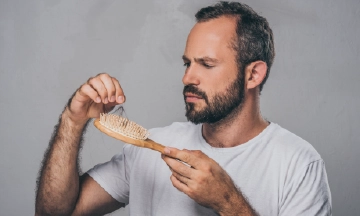
Hair loss, also known as alopecia, is a common condition that affects both men and women of all ages. It can be caused by a variety of factors, including genetics, hormonal changes, medications, stress, and nutritional deficiencies. While hair loss
29 May 2023
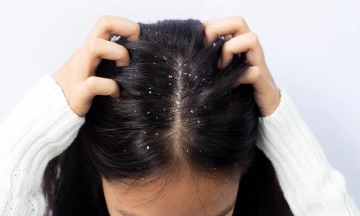
Dandruff is a common scalp condition that results in the shedding of small, white flakes of dead skin from the scalp. It is a type of seborrheic dermatitis, which is caused by an overgrowth of yeast on the scalp. Dandruff
18 May 2023
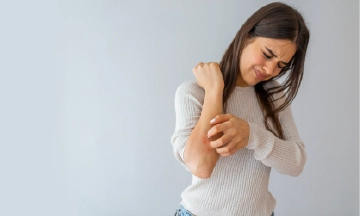
Psoriasis is a skin condition characterized by chronic autoimmune dysfunction that affects the skin. It is characterized by the rapid buildup of skin cells that results in thick, scaly patches of skin. These patches can be red, dry, itchy, and
12 May 2023
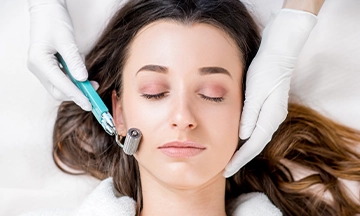
Derma rollers are used for a treatment process known as micro-needling or skin needling. It is a type of therapy that induces collagen. Thousands of highly tiny "micro-medical" needles are embedded throughout the roller, causing multiple minor micro-injuries to the
3 Feb 2023
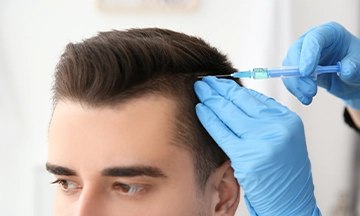
Growth Factor Concentrate Therapy, often known as GFC treatment, is a focused growth factor preparation made from an individual's blood cells that are highly safe and dedicated, and offer superior natural results. Numerous growth agents have been added to
31 Jan 2023
It is again that time of the year when you'll be accompanied by your scarfs, sunscreens and umbrellas whenever you step out of your home. Yes, the scorching season of summer is returned with all its glory! And every time
28 Apr 2022
Enquire Now