Home/Wellness Zone/Sakra Blogs

2nd Jan, 2024
Sleep is essential for our physical and mental health. It allows our bodies to rest and repair themselves, and it helps us to consolidate memories and learn new things. However, many people do not get enough sleep. In fact, the Centers for Disease Control and Prevention (CDC) estimates that one in three adults in the United States does not get the recommended amount of sleep each night.
There are many reasons why people may not get enough sleep. Some common causes include stress, anxiety, and caffeine. However, one of the most common causes of daytime sleepiness is sleep apnea.
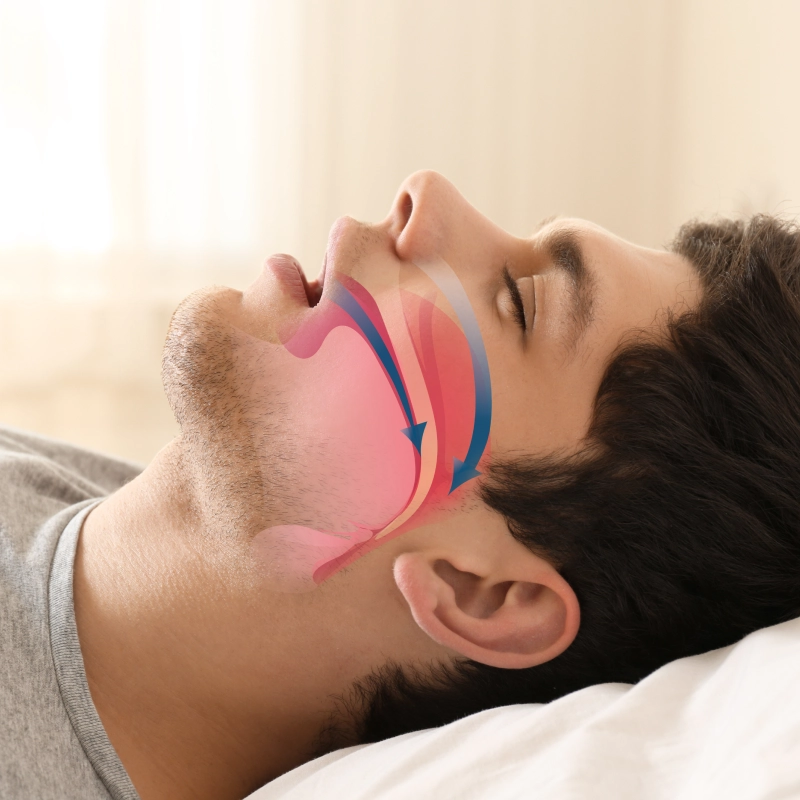
Sleep apnea is a sleep disorder that causes you to stop breathing repeatedly during sleep. This can happen hundreds of times each night. When you stop breathing, your brain briefly wakes you up so that you can start breathing again. However, you may not be aware of these awakenings.
There are three main types of sleep apnea:
The most common symptom of sleep apnea is daytime sleepiness. Other sleep apnoea symptoms:
Snoring
Sleep apnea is diagnosed through a sleep study. A sleep study is an overnight test that monitors your breathing, heart rate, oxygen levels, and brain activity while you sleep.
There are several treatments available for sleep apnea. The best treatment for you will depend on the severity of your sleep apnea and your individual needs. Some common treatments include:
While medical treatment is important, certain home remedies and lifestyle adjustments can help manage mild sleep apnea and improve sleep quality.
Maintain a healthy weight: Excess weight, especially around the neck, can put pressure on the airway and worsen breathing issues. Losing even a small amount of weight can significantly reduce symptoms.
Sleep on your side: Sleeping on your back can cause the tongue and soft tissues to block the airway. Side sleeping helps keep the airway open and reduces snoring and breathing interruptions.
Avoid alcohol and sedatives: Alcohol and sedative medications relax the throat muscles, increasing the risk of airway blockage. Avoid consuming them, especially close to bedtime.
Follow a consistent sleep schedule: Going to bed and waking up at the same time every day improves sleep quality. A regular routine helps your body maintain a healthy sleep cycle.
Keep nasal passages clear: Using saline sprays, steam inhalation, or a humidifier can help reduce nasal congestion. Clear airways make breathing easier during sleep.
Quit smoking: Smoking can increase inflammation and fluid retention in the airway. Quitting smoking helps improve breathing and overall lung health.
Practice regular exercise: Physical activity improves respiratory strength and overall fitness. Even moderate exercise can help reduce the severity of sleep apnea symptoms.
There are also some lifestyle changes that you can make to help improve your sleep apnea, such as:
Sleep apnea is a common and serious sleep disorder that can have a significant impact on your health and well-being. If you are experiencing any of the symptoms of sleep apnea, it is important to see your doctor for diagnosis and treatment. With proper treatment, you can get the rest you need to live a healthy and happy life. Sakra World Hospital is dedicated to offering advanced healthcare solutions, including state-of-the-art sleep disorder diagnostics and treatment options, ensuring that patients receive personalized care for their specific needs.
1. What are the early signs and symptoms of sleep apnea?
Early signs include loud snoring, choking or gasping during sleep, and excessive daytime sleepiness. Other symptoms may include morning headaches, irritability, and difficulty concentrating.
2. What is the most effective treatment for sleep apnea?
The most effective treatment depends on severity, but Continuous Positive Airway Pressure (CPAP) therapy is commonly recommended. It helps keep the airway open during sleep and improves breathing.
3. Can sleep apnea be cured without surgery?
Mild cases of sleep apnea can often be managed without surgery through lifestyle changes and medical devices. Treatments like CPAP, oral appliances, and weight loss can significantly reduce symptoms.
4. How can I treat sleep apnea naturally at home?
Lifestyle changes like maintaining a healthy weight, sleeping on your side, and avoiding alcohol before bed can help. Practicing good sleep hygiene and regular exercise may also improve symptoms.
5. What happens if sleep apnea is left untreated?
Untreated sleep apnea can lead to serious health problems such as high blood pressure, heart disease, and diabetes. It may also increase the risk of stroke and daytime accidents due to fatigue.
6. Who is most at risk of developing sleep apnea?
People who are overweight, older adults, and those with a family history of sleep apnea are at higher risk. Men and individuals with conditions like nasal congestion or enlarged tonsils are also more prone.
7. How is sleep apnea diagnosed by a doctor?
Doctors usually diagnose sleep apnea through a sleep study, either at home or in a sleep lab. This test monitors breathing patterns, oxygen levels, and sleep stages overnight.
8. Is CPAP the only treatment available for sleep apnea?
No, CPAP is not the only option and may not be suitable for everyone. Other treatments include oral appliances, lifestyle changes, and in some cases, surgery.
9. Can losing weight help reduce or cure sleep apnea?
Yes, losing weight can significantly reduce the severity of sleep apnea in overweight individuals. In some cases, it may even eliminate symptoms completely.
10. When should I see a doctor for sleep apnea symptoms?
You should see a doctor if you experience loud snoring, frequent awakenings, or excessive daytime sleepiness. Early diagnosis and treatment can help prevent serious health complications
Do people with Sleep Apnea are at more risk of getting coronavirus? There is no evidence that people with sleep apnea are more likely to get infected with the coronavirus. People who have a higher risk of getting COVID-19 disease
20 Aug 2021
What Is Pulmonary Hypertension (PH)? Pulmonary hypertension is a type of high blood pressure that affects the arteries of the lungs and the right side of the heart. The blood vessels in the lungs are narrowed, blocked or destroyed. Who gets Pulmonary
19 Aug 2021
The Thrill of Smoking Smoking is cool, or at least that is what most smokers believe and want us to believe. But no matter how you indulge in it, tobacco is injurious to your health. Tobacco contains almost 7000 toxins and
7 Jun 2021
WHAT IS SNORING? A block of airfow through any part of the breathing passage in the mouth and/or nose causes turbulence & vibrations of the soft tissue. The sound that these vibrations cause is called snoring. WHAT CAUSES SNORING? When we are awake
17 May 2016
Enquire Now