
Home/Wellness Zone/Sakra Blogs

28th Sep, 2023

Oral hygiene is a crucial aspect of overall health and well-being that often goes underestimated. Neglecting oral health can lead to a range of dental problems and even impact your systemic health. In this comprehensive overview, we will explore the significance of oral hygiene, its connection to various health issues, and effective practices to maintain a healthy mouth.
Oral hygiene refers to the practice of maintaining the cleanliness of your mouth, teeth, and gums. This includes daily routines such as brushing, flossing, and using mouthwash, along with regular dental check-ups and cleanings. Proper oral hygiene helps prevent various dental issues, such as cavities, gum disease, and bad breath.
The importance of oral hygiene cannot be overstated, as it plays a significant role in both your oral health and overall well-being. Here are some key reasons why oral hygiene is crucial:
Oral hygiene is not just about having a bright smile; it's crucial for your overall health. Neglecting oral health can lead to various dental problems and contribute to systemic health issues. By adopting effective oral health and hygiene practices, including regular dental check-ups at Sakra World Hospital, we can maintain a healthy mouth and reduce the risk of associated health problems. Taking care of your oral health is an investment in your overall well-being that should not be underestimated.
1. What is oral hygiene?
Oral hygiene refers to the practice of keeping the mouth, teeth, and gums clean and healthy to prevent dental problems like cavities, gum disease, and bad breath.
2. What is the definition of oral hygiene?
Oral hygiene is defined as the routine care of the teeth and oral cavity through practices like brushing, flossing, and regular dental check-ups to maintain overall oral health.
3. Why is oral hygiene important?
Good oral hygiene helps prevent tooth decay, gum infections, and bad breath. It also supports overall health by reducing the risk of infections that can spread from the mouth to other parts of the body.
4. What is the importance of oral hygiene in daily life?
Maintaining oral hygiene daily keeps your teeth strong, gums healthy, and breath fresh. It also helps avoid pain, costly dental treatments, and discomfort in the long run.
5. How does oral hygiene affect overall health?
Poor oral hygiene can lead to infections that may affect overall health, including conditions like heart disease, diabetes complications, and respiratory issues. A healthy mouth supports a healthy body.
6. What are the benefits of maintaining good oral hygiene?
Benefits include healthy teeth and gums, fresh breath, prevention of cavities and gum disease, improved confidence, and reduced risk of serious health problems.
7. How does oral hygiene prevent dental diseases?
Regular brushing and flossing remove plaque, a sticky layer of bacteria that causes tooth decay and gum disease. Keeping the mouth clean stops bacteria from growing and causing damage.
8. What is the correct oral hygiene routine?
A proper routine includes brushing twice daily with fluoride toothpaste, flossing once a day, rinsing with mouthwash if needed, and visiting the dentist regularly for check-ups and cleaning.
9. How often should I brush my teeth?
You should brush your teeth at least twice a day, ideally in the morning and before bedtime, for about two minutes each time.
10. What happens if oral hygiene is not maintained?
Neglecting oral hygiene can lead to plaque buildup, cavities, gum disease, bad breath, tooth loss, and even impact overall health.
11. Can poor oral hygiene cause bad breath?
Yes, poor oral hygiene is one of the most common causes of bad breath. Bacteria in the mouth break down food particles and release unpleasant odors if the mouth is not cleaned properly.

Your smile says a lot about you. In fact, it’s often one of the first things people notice—and keeping it healthy does more than just enhance your appearance. Strong teeth and healthy gums are key to chewing food properly,
2 Jul 2025

Dental issues such as cavities, gum infections, sensitivity, bad breath, and erosion are among the most common dental problems people face today. Thankfully, with simple daily habits like brushing properly, eating right, and even using home remedies like salt water,
2 Jul 2025

A healthy diet plays a crucial role in maintaining strong teeth and gums. Eating the right foods can help strengthen enamel, protect against cavities, and support overall oral health. Incorporating enamel-strengthening foods, calcium-rich foods for teeth, and foods good for
20 Feb 2025
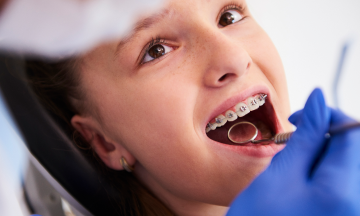
Dental braces are a widely used orthodontic treatment designed to correct misaligned teeth, bite issues, and jaw irregularities, improving both oral health and aesthetics. They work by applying continuous pressure to gradually shift teeth into proper alignment. Whether you're an
20 Feb 2025
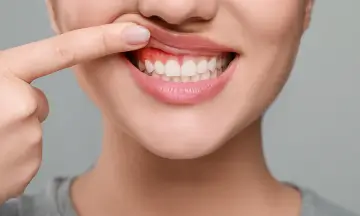
Oral hygiene is an essential aspect of our overall health and well-being. It encompasses all the practices aimed at maintaining a clean mouth and preventing dental problems. Regular brushing, flossing, and visits to the dentist contribute significantly to oral hygiene. Why
6 Nov 2024

Gums play a crucial role in maintaining your overall oral health and ensuring a healthy teeth condition. Gum diseases can affect oral health causing serious oral issues. That is why it is important to stay aware of your gum condition.
6 Nov 2024
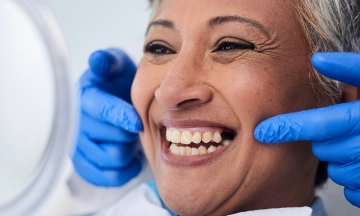
Oral health is a crucial aspect of overall health, especially for seniors. As we age, our mouths undergo significant changes, making dental care more important than ever. This guide covers the essential aspects of oral health care for seniors, providing
13 Jun 2024

In the realm of personal health and hygiene, dental care often takes a central role. Our oral health not only influences our ability to eat and speak but also impacts our overall well-being. Neglecting dental health can lead to various
18 Apr 2024
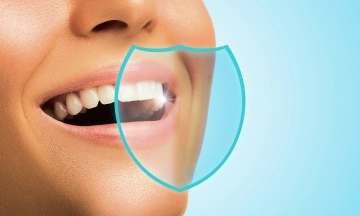
The gleam of a healthy smile is often attributed to pearly white teeth, but the real hero behind that glistening surface is the hard, mineralized layer called enamel. It acts as the teeth's first line of defense against the
2 Jan 2024
Enquire Now