

Home/Wellness Zone/Sakra Blogs

11th Dec, 2023
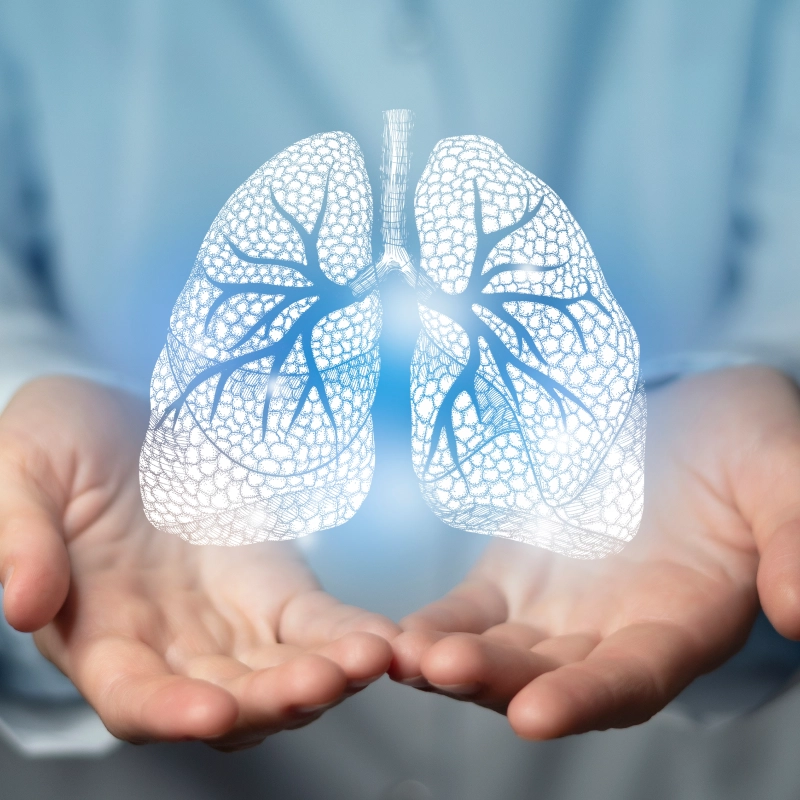
As the winter season approaches, the air becomes colder and drier, posing a greater risk to our respiratory health. The lungs, responsible for providing our bodies with oxygen, are particularly vulnerable during this time due to increased exposure to respiratory viruses and pollutants.
Winter creates several environmental changes that directly affect lung function and respiratory comfort. Cold air entering the lungs can cause the airways to constrict, making breathing feel tighter and sometimes uncomfortable, especially for people with asthma or other lung conditions. Dry air further worsens this by reducing moisture in the respiratory tract, weakening its ability to trap dust, bacteria, and viruses.
Another important factor is reduced sunlight and lower temperatures, which may slightly weaken immune response in some individuals. People also tend to stay indoors more often, leading to increased exposure to indoor pollutants like dust, mold, and smoke. Poor ventilation allows viruses to spread more easily in closed spaces. In many areas, winter also brings higher pollution levels, which can irritate the lungs and trigger respiratory symptoms.
Winter is associated with a rise in both infections and chronic respiratory conditions:
Common Cold and Flu: These viral infections spread more easily in colder months due to close indoor contact and reduced immunity. Symptoms like cough, sore throat, and congestion are common.
Asthma Flare-ups: Cold air, allergens, and pollution can trigger airway inflammation, leading to wheezing, coughing, and breathlessness.
Chronic Obstructive Pulmonary Disease (COPD) Exacerbations: People with COPD may notice worsening symptoms such as increased mucus production and difficulty breathing.
Bronchitis: Inflammation of the bronchial tubes often develops after infections, causing persistent cough and chest discomfort.
Pneumonia: A more serious infection that affects the lungs and may require medical treatment, especially in vulnerable individuals.
Recognizing early symptoms and seeking timely care can help prevent complications and support faster recovery.
Some individuals are more vulnerable to winter-related lung problems due to weaker immunity or pre-existing conditions:
Older adults (above 65 years): Aging reduces immune efficiency, making infections more likely and recovery slower.
Children: Their immune systems are still developing, which makes them more prone to respiratory infections.
People with chronic lung diseases: Conditions like asthma, COPD, or bronchitis can worsen with cold air and pollution exposure.
Individuals with weakened immunity: This includes people with chronic illnesses, diabetes, or those on long-term medications.
Smokers and passive smokers: Smoking damages lung tissue and reduces the lungs’ ability to fight infections.
People living in polluted environments: Continuous exposure to poor air quality increases the risk of respiratory irritation and disease.
These groups should be extra cautious and follow preventive measures consistently during winter.
A healthy diet supports both immunity and lung function, helping the body fight infections more effectively:
Citrus fruits (oranges, lemons): Rich in vitamin C, they help strengthen the immune system and reduce the severity of infections.
Leafy greens (spinach, kale): Packed with antioxidants that protect lung tissues from damage caused by pollutants.
Ginger and turmeric: Natural anti-inflammatory ingredients that can help reduce airway inflammation and improve breathing.
Garlic: Known for its antimicrobial properties, it helps the body fight respiratory infections.
Nuts and seeds: Provide essential nutrients like vitamin E and healthy fats that support lung health.
Warm soups and herbal teas: Not only provide hydration but also soothe irritated airways and help in clearing mucus.
Including these foods regularly can improve resistance against seasonal illnesses and maintain overall respiratory health.
Taking a few simple preventive steps can go a long way in protecting your lungs and reducing the risk of respiratory problems during winter.
Regular breathing exercises can strengthen the lungs, improve oxygen intake, and enhance overall respiratory efficiency:
Deep Breathing: Slow, controlled breathing helps expand the lungs fully and improves oxygen exchange. It also promotes relaxation.
Pursed-Lip Breathing: Helps slow down breathing and keeps airways open longer, making it easier to breathe, especially for people with lung conditions.
Diaphragmatic Breathing: Focuses on using the diaphragm effectively, which improves lung capacity and reduces strain on chest muscles.
Anulom Vilom (Alternate Nostril Breathing): A simple practice that supports better airflow and helps maintain respiratory balance.
Bhramari (Humming Breath): Produces a calming effect and may help in improving breathing control and reducing stress.
Practicing these exercises daily, even for a few minutes, can make a noticeable difference in lung strength and breathing comfort.
Hydration plays a key role in maintaining healthy lungs, especially during winter when the air is dry. Adequate fluid intake keeps the mucus lining in the respiratory tract thin and moist, which helps trap dust, bacteria, and viruses effectively and remove them from the body.
When the body is dehydrated, mucus becomes thick and sticky, making it harder to clear from the airways. This can lead to congestion, coughing, and increased risk of infections. Drinking warm fluids such as water, herbal teas, and soups is particularly beneficial during winter, as they not only maintain hydration but also soothe the throat and airways.
Staying properly hydrated supports smoother breathing, better lung function, and overall respiratory health.
1. What are the best foods to improve lung function in winter?
Foods rich in antioxidants and vitamins help support lung health. Include fruits like oranges, apples, and berries, along with leafy greens, nuts, ginger, garlic, and warm soups.
2. How does indoor heating affect lung health?
Indoor heating can dry out the air, which may irritate airways and cause dryness in the throat and lungs, especially in sensitive individuals.
3. Can steam inhalation really help keep the lungs clear?
Yes, steam inhalation can help loosen mucus, reduce congestion, and make breathing easier, especially during colds or mild respiratory irritation.
4. Is winter air bad for people with mild allergies?
Cold and dry air can trigger symptoms like coughing, sneezing, or irritation, especially in people with allergies or sensitive airways.
5. What type of exercise is best for strengthening your lungs in cold weather?
Moderate activities like walking, yoga, and breathing exercises are ideal. Indoor workouts are often better to avoid exposure to cold, dry air.

Adult vaccination is a crucial aspect of preventive healthcare that often takes a backseat in public discourse. While childhood vaccinations are widely recognized and mandated, the importance of vaccinations doesn't diminish as we age. In fact, adult vaccination plays
18 Dec 2023

Coughing is a natural reflex that helps clear the airways of irritants and mucus. It is a common occurrence, especially during the colder months or when exposed to pollutants. However, when a cough becomes persistent or occurs frequently, it may
18 Dec 2023
Lung fibrosis is a chronic lung disease that causes scarring of the lung tissue. This scarring makes it difficult for the lungs to work properly, and it can lead to shortness of breath, coughing, and fatigue. Lung fibrosis is
11 Dec 2023
Enquire Now