
Home/Wellness Zone/Sakra Blogs

2nd Jan, 2024
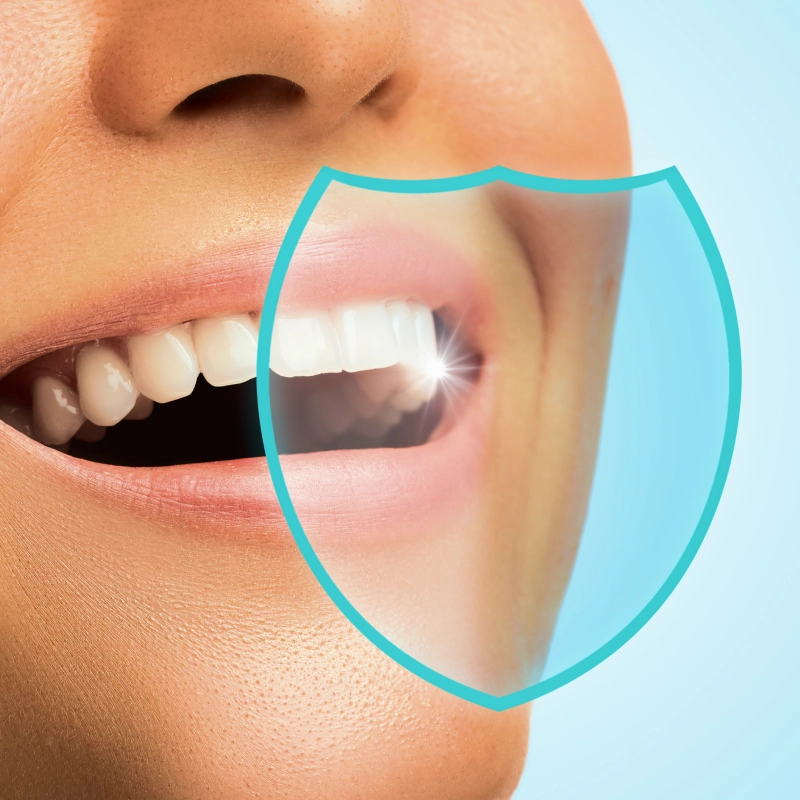
The gleam of a healthy smile is often attributed to pearly white teeth, but the real hero behind that glistening surface is the hard, mineralized layer called enamel. It acts as the teeth's first line of defense against the constant bombardment of acids, sugars, and bacteria that threaten our oral health. And protecting this crucial shield is where fluoride toothpaste plays a starring role.
So, how exactly does fluoride impact enamel, and why should it be a staple in your dental care routine? Let's delve into the science behind this essential ingredient.
Enamel, the hard, outer layer of your teeth, is made up of minerals like calcium and phosphate. These minerals are constantly under attack from acids produced by plaque bacteria, leading to demineralization and, ultimately, cavities. This is where fluoride steps in.
Fluoride is a naturally occurring mineral that can be found in water, food, and, of course, toothpaste. When it comes into contact with your teeth, it does two key things:
The evidence for the benefits of fluoride toothpaste is overwhelming. Studies have shown that it can:
In fact, the American Dental Association (ADA) and the World Health Organization (WHO) both recommend using fluoride toothpaste for optimal oral health.
Dental fluorosis is a condition that occurs when the enamel of the teeth is exposed to too much fluoride during their development, leading to cosmetic concerns such as discoloration and, in severe cases, structural issues. The treatment for dental fluorosis varies depending on the severity of the condition. Here are some common approaches:
While the benefits of fluoride are undeniable, there are some concerns about its potential to erode enamel, especially in high concentrations. This is particularly true for children under the age of 8, whose enamel is still developing.
With a variety of fluoride toothpastes available, choosing the right one can be confusing. Here are some tips:
When it comes to protecting your teeth, fluoride toothpaste is a powerful ally. While there are some minor concerns, the benefits far outweigh the risks. By choosing the right toothpaste and practicing good oral hygiene habits, you can keep your smile sparkling for years to come.
So, the next time you reach for your toothbrush, remember proper brushing and flossing remain key partners in this journey for optimal oral health. With a little knowledge and a healthy dose of brushing, you can ensure your enamel stays strong and your smile stays bright! And if you're ever in need of expert guidance or a sparkling checkup, remember the friendly team at Sakra World Hospital is always here to support you on your path to oral wellness. The advanced facilities and experienced dentists can provide comprehensive care, from routine cleanings to specialized treatments, ensuring your smile receives the attention it deserves.
1. What is dental fluorosis?
Dental fluorosis is a condition that affects tooth enamel due to excessive fluoride intake during early childhood. It leads to visible changes in the appearance of teeth, ranging from mild white spots to brown stains in severe cases.
2. What causes fluorosis in teeth?
Fluorosis is caused by consuming too much fluoride while teeth are developing. Common sources include drinking water with high fluoride levels, swallowing toothpaste, or excessive use of fluoride supplements during childhood.
3. What are the symptoms of dental fluorosis?
Symptoms vary depending on severity. Mild fluorosis shows as white streaks or spots on teeth. Moderate to severe cases may cause yellow or brown stains, rough enamel, and surface irregularities.
4. Can fluorosis be treated permanently?
Fluorosis cannot be reversed completely, as it affects the enamel structure. However, its appearance can be significantly improved with dental treatments like polishing, whitening, or cosmetic procedures.
5. What is the best dental fluorosis treatment?
Treatment depends on severity. Mild cases may improve with professional cleaning and whitening. Moderate cases may need microabrasion or bleaching. Severe fluorosis may require veneers or crowns for better cosmetic results.
6. How to remove fluorosis stains from teeth?
Fluorosis stains can be reduced through professional dental treatments such as teeth whitening, microabrasion, or veneers. Home remedies are usually not effective for deeper stains.
7. Which toothpaste is best for fluorosis?
A gentle, low-abrasive toothpaste with remineralizing ingredients like calcium or hydroxyapatite is helpful. Fluoride toothpaste can still be used in controlled amounts as advised by a dentist.
8. Is there a specific toothpaste for fluorosis teeth?
There is no dedicated “fluorosis-only” toothpaste, but products designed for enamel repair and sensitivity can help improve overall tooth appearance and strength.
9. Can toothpaste fix fluorosis on enamel?
Toothpaste cannot remove fluorosis or fully repair enamel changes. It can help maintain oral health and slightly improve appearance in mild cases, but professional treatment is needed for noticeable results.
10. What ingredients should I look for in toothpaste for fluorosis?
Look for ingredients like calcium phosphate, hydroxyapatite, or mild fluoride levels. These help strengthen enamel and improve surface quality without causing further damage.
11. Does whitening toothpaste help fluorosis?
Whitening toothpaste may help slightly in very mild cases by reducing surface stains. However, it is usually not effective for deeper fluorosis discoloration and may sometimes make contrast more noticeable.
12. How long does fluorosis treatment take?
Treatment time depends on the method used. Whitening may take a few sessions over weeks, while procedures like microabrasion or veneers can show results within one or a few dental visits.

Your smile says a lot about you. In fact, it’s often one of the first things people notice—and keeping it healthy does more than just enhance your appearance. Strong teeth and healthy gums are key to chewing food properly,
2 Jul 2025

Dental issues such as cavities, gum infections, sensitivity, bad breath, and erosion are among the most common dental problems people face today. Thankfully, with simple daily habits like brushing properly, eating right, and even using home remedies like salt water,
2 Jul 2025

A healthy diet plays a crucial role in maintaining strong teeth and gums. Eating the right foods can help strengthen enamel, protect against cavities, and support overall oral health. Incorporating enamel-strengthening foods, calcium-rich foods for teeth, and foods good for
20 Feb 2025
Dental braces are a widely used orthodontic treatment designed to correct misaligned teeth, bite issues, and jaw irregularities, improving both oral health and aesthetics. They work by applying continuous pressure to gradually shift teeth into proper alignment. Whether you're an
20 Feb 2025
Oral hygiene is an essential aspect of our overall health and well-being. It encompasses all the practices aimed at maintaining a clean mouth and preventing dental problems. Regular brushing, flossing, and visits to the dentist contribute significantly to oral hygiene. Why
6 Nov 2024
Gums play a crucial role in maintaining your overall oral health and ensuring a healthy teeth condition. Gum diseases can affect oral health causing serious oral issues. That is why it is important to stay aware of your gum condition.
6 Nov 2024
Oral health is a crucial aspect of overall health, especially for seniors. As we age, our mouths undergo significant changes, making dental care more important than ever. This guide covers the essential aspects of oral health care for seniors, providing
13 Jun 2024
In the realm of personal health and hygiene, dental care often takes a central role. Our oral health not only influences our ability to eat and speak but also impacts our overall well-being. Neglecting dental health can lead to various
18 Apr 2024
The dental landscape is undergoing a significant transformation, driven by the integration of cutting-edge digital technologies, including digital imaging in dentistry. From intraoral scanners to 3D printing, digital dentistry is revolutionizing the way dentists diagnose, treat, and manage dental
2 Jan 2024
Enquire Now