
Home/Wellness Zone/Sakra Blogs

18th Jun, 2024
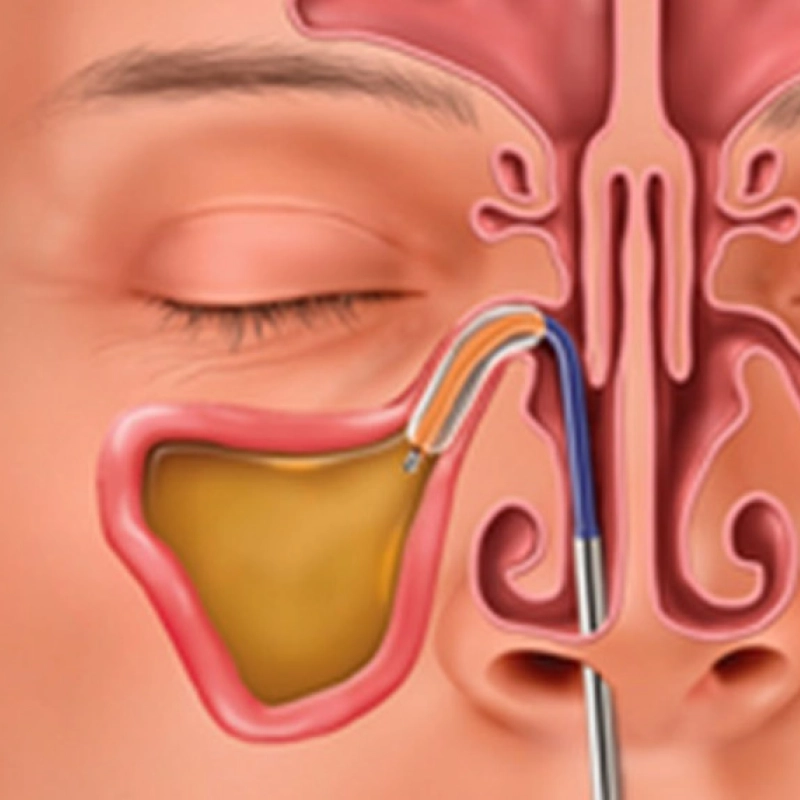
If you've ever had chronic sinusitis, you know how miserable it can be. Constant congestion, headaches, and facial pain can really affect your daily life. Traditional sinus surgery can be invasive, with long recovery times and significant discomfort. However, there's a new technique called Balloon Sinuplasty that offers a minimally invasive and effective solution for those with chronic sinus problems.
Balloon Sinuplasty is a minimally invasive procedure designed to relieve the symptoms of chronic sinusitis. It involves the use of a small, flexible balloon catheter that is inserted into the blocked sinus passageways. When the balloon is inflated, it gently restructures and widens the sinus openings, allowing for improved drainage and ventilation. This procedure can be performed in an office setting under local anesthesia or general anesthesia .
The Balloon Sinuplasty procedure follows these key steps:
Balloon Sinuplasty offers numerous advantages over traditional sinus surgery:
Balloon sinuplasty is an option for patients with chronic sinusitis who have not responded well to medical treatments such as antibiotics, nasal sprays, or other medications. It is particularly suitable for individuals with:
However, not all patients with sinusitis are candidates for balloon sinuplasty. Those with extensive sinus disease, nasal polyps, or certain anatomical abnormalities may require more traditional surgical interventions.
Recovery from balloon sinuplasty is generally quick and straightforward. Here are some recovery processes:
Balloon Sinuplasty represents a significant advancement in the treatment of chronic sinusitis, offering patients a minimally invasive, effective, and convenient solution. With its high success rate, minimal recovery time, and reduced risk of complications, this procedure has quickly become a preferred choice for many individuals seeking relief from sinus pain and pressure.
1. What is balloon sinuplasty?
Balloon sinuplasty is a minimally invasive procedure used to treat blocked sinuses. It involves using a small balloon to open up sinus passages and improve drainage.
2. How does balloon sinuplasty work?
A thin catheter with a balloon is inserted into the blocked sinus. The balloon is gently inflated to widen the passage, allowing mucus to drain normally, and then removed.
3. What is sinus balloon therapy?
Sinus balloon therapy is another name for balloon sinuplasty, focusing on relieving sinus blockage using a balloon-based technique without removing tissue.
4. Is balloon sinuplasty a surgery?
It is considered a minimally invasive surgical procedure, but unlike traditional sinus surgery, it does not involve cutting or removing bone or tissue.
5. Who is a candidate for balloon sinuplasty?
People with chronic sinusitis, frequent sinus infections, or sinus blockage not responding to medications may be suitable candidates.
6. What conditions can balloon sinuplasty treat?
It is commonly used for chronic sinusitis, recurrent sinus infections, sinus pressure, and nasal congestion caused by blocked sinus pathways.
7. What are the benefits of balloon sinuplasty?
Benefits include less pain, minimal bleeding, quick recovery, no tissue removal, and long-lasting relief from sinus symptoms.
8. Is balloon sinuplasty painful?
The procedure is generally not very painful and is often done under local anesthesia. Patients may feel mild pressure but minimal discomfort.
9. How long does a balloon sinuplasty procedure take?
The procedure usually takes about 30 minutes to an hour, depending on the number of sinuses being treated.
10. What is the recovery time after sinus balloon surgery?
Most people recover within 24–48 hours and can return to normal activities quickly.
11. Are there any risks or side effects of balloon sinuplasty?
Risks are minimal but may include mild swelling, nasal discomfort, or slight bleeding. Serious complications are rare.
12. How effective is balloon sinuplasty for chronic sinusitis?
It is highly effective for many patients, providing long-term relief from symptoms and reducing the need for repeated medications or infections.

When periods become irregular, most people think of stress, PCOS, or dietary changes. While these are common causes, there can be less obvious factors at play. One surprising contributor could be something as simple as a persistently blocked nose.
3 Jul 2026

Snoring might seem like a harmless nuisance at first, but over time it can disturb your sleep, affect your partner, and even point to deeper health concerns like obstructive sleep apnea (OSA). While many people blame the throat, the
3 Jul 2026

Food allergies are becoming more common, and many people struggle to understand why certain foods trigger reactions while others don’t. A food allergy happens when the immune system reacts strongly to specific foods, thinking they are harmful. This can
17 Dec 2025

Allergies are widespread and can affect people of all ages, yet many are unclear about what is allergy and how it impacts the body. They occur when the immune system overreacts to harmless substances, causing reactions that range from mild
17 Dec 2025

Vertigo is a condition that makes you feel as if you or your surroundings are spinning. It can affect balance, concentration and daily activities. Many people look for safe options to manage vertigo at home, especially when episodes are
17 Dec 2025

What Is Vertigo? Vertigo is a sensation that makes you feel like the world around you is spinning, or you are moving when you are actually still. It isn’t a disease by itself, but a symptom of an underlying
17 Dec 2025

Snoring is a common phenomenon that affects millions of people worldwide. While it is often regarded as a mere annoyance, it can sometimes signal underlying health issues that need attention. Snoring vs Sleep Apnea Snoring and sleep apnea are often used interchangeably,
18 Jun 2024
Sudden sensorineural hearing loss (SSNHL) is a condition where hearing loss occurs in one or both ears in a short period, usually within 72 hours. It can range from mild to profound and can be accompanied by tinnitus (ringing in
13 Dec 2023

In today's fast-paced world, we are constantly bombarded with noise. From the roar of traffic to the blaring music in clubs, our ears are under constant assault. While occasional exposure to loud sounds may not cause lasting damage, chronic exposure
13 Dec 2023
Enquire Now