

Home/Wellness Zone/Sakra Blogs

26th Jun, 2017
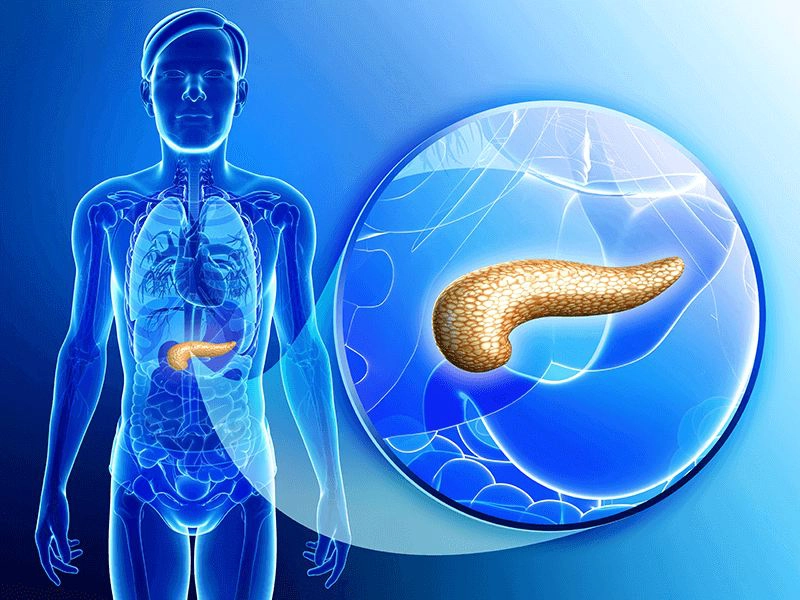
1. What is Acute Pancreatitis?
Acute pancreatitis is an inflammatory disease of the pancreas, in response to an irritant, which leads to a spectrum of symptoms. It usually affects young individuals in the prime of their lives.
2. What are the causes of Acute Pancreatitis?
The two common causes of pancreatitis are alcohol consumption and gallbladder stones migrating into the bile duct. The other possible causes are hypertriglycidemia, autoimmune pancreatitis, developmental anomalies of the pancreas (pancreas divisum), ingestion of certain drugs and trauma to the pancreas. In 15-20% of all patients, no cause is identified, which is labeled as Idiopathic pancreatitis.
3. What you can do to prevent pancreatitis?
A healthy lifestyle, avoiding smoking and limiting alcohol intake are the most important ways to preventing pancreatitis. One must take a balanced diet, with good intake of antioxidants and undertake a regular health check to detect any other risk factors for developing pancreatitis.
4. What to do if there is pain?
The diagnosis for pancreatitis should be made by a physician. Meet a doctor and present exact details of the pain, its onset and course. Give a complete medical and personal history. Follow the doctor’s advice regarding treatment especially with regard to hospital admission and investigations.
5. What is the usual course of the disease?
Mild pancreatitis is self-limiting and pain abates in 2-3 days. During this period, medication and diet should be maintained, as prescribed by the doctors. In case of high severity, the disease becomes unpredictable and has a long drawn course. Patients with severe disease require prolonged hospitalization and ICU care. The course of the disease is dictated by the complications and the resolution of the same.
6. What to expect in terms of treatment and outcomes?
In mild pancreatitis, most patients will improve with medical treatment and will have no further problems. If an underlying cause, such as alcohol or gallstones, is identified, then abstinence from alcohol and surgery for removal of gallbladder, respectively, should be advised.
In severe disease, any of the complications which ensue may require some procedure, such as endoscopic intervention, ultrasound or CT guided intervention and/or surgery. The timing and method of intervention, is a critical in decision making, which is undertaken by a multidisciplinary team. Patients and family should be prepared for a long haul with fluctuating course of illness including the need for one or multiple procedures. Patients may even be required to be put on ventilator and dialysis. With improving ICU care, multidisciplinary team approach and availability of sophisticated methods of intervention, 70-80% of patients survive this terrible disease. Despite the best efforts, 20-30% patients succumb.
7. What is the key to achieving a successful outcome?
Early diagnosis and critical supportive care is the key to a successful outcome. Patients suffering high severity of the disease, should be identified, carefully monitored for development of any complications, and appropriate intervention should be performed at the right time. An expert multidisciplinary team, experienced in managing pancreatitis, is vital to critical decisions being taken.
8. What are the long term ill-effects of severe pancreatitis?
Patients recovering from severe pancreatitis will require a prolonged period of rehabilitation and nutritional support. They may develop diabetes on follow-up, making it important to get regular blood sugar checks and monitoring. These patients may also develop malnutrition due to the decreased secretion of pancreatic juices. Patients should be placed on pancreatic enzyme replacement therapy, under medical supervision. About 10% of patients will develop chronic pancreatitis on a follow up of 2-3 years.

Diet can play an important role in managing symptoms associated with gallstones. Although food cannot dissolve existing gallstones, choosing the right foods may help reduce digestive discomfort and lower the likelihood of triggering gallbladder pain. A healthy gallbladder stones
20 Aug 2026

Gallstones, medically known as cholelithiasis, are hardened deposits that form inside the gallbladder. They can range in size from tiny grains to larger stones and may occur as a single stone or multiple stones. Many people with gallstones
20 Aug 2026

Liver transplant surgery is an essential life-saving procedure for individuals suffering from advanced liver disease, cirrhosis, or acute liver failure when other treatment options have failed. This surgery involves replacing a damaged or diseased liver with a healthy one, which
2 Jun 2025
A liver transplant is often considered a last but life-saving option for individuals suffering from severe or end-stage liver disease. Although the journey can seem overwhelming, gaining a clear understanding of the process—from evaluation, meeting eligibility requirements, and donor matching,
21 May 2025
Undergoing a liver transplant is a major milestone—and for many patients, it offers a second chance at life. However, life after liver transplant requires commitment, patience, and long-term care. Understanding the recovery process and adopting healthy habits are essential for
21 May 2025

Gastrointestinal (GI) Disorders Gastrointestinal (GI) disorders affect millions of people worldwide and can range from mild, temporary discomfort to serious chronic illnesses. These disorders impact the digestive tract, which includes the oesophagus, stomach, small intestine, large intestine (colon), rectum, and
24 Apr 2025
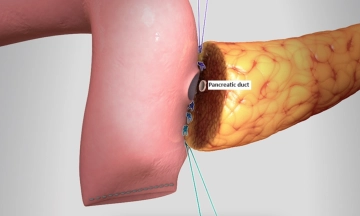
Robotic Whipple's surgery, or robotic pancreaticoduodenectomy, is a groundbreaking advancement in the surgical treatment of pancreatic diseases. This complex procedure, traditionally performed through open surgery, has been revolutionized by robotic systems, offering numerous benefits such as enhanced precision, reduced
8 Aug 2024
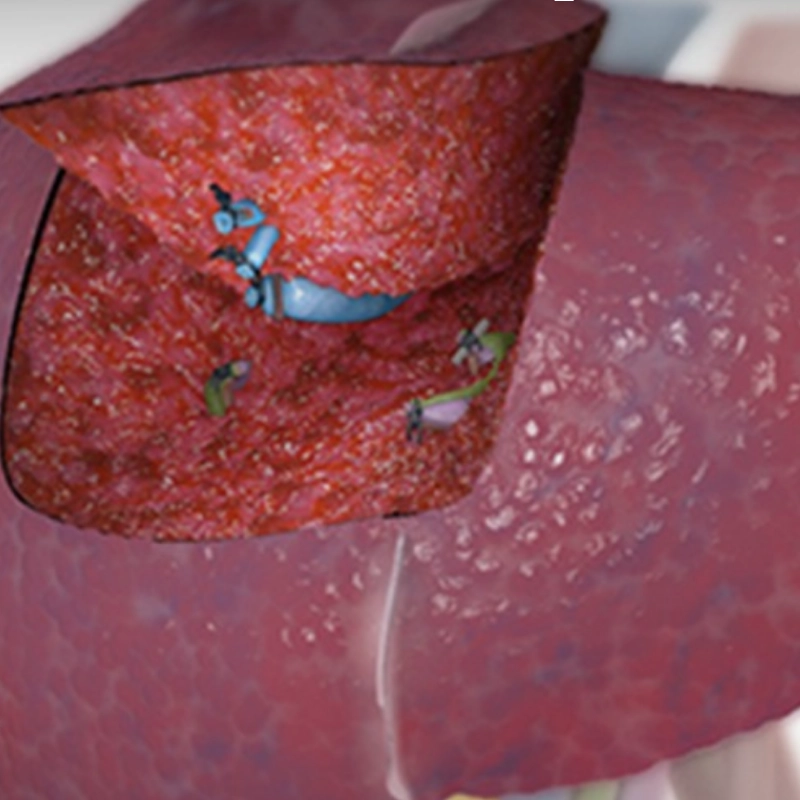
Robotic liver surgery represents a significant advancement in the field of hepatic surgery, offering numerous benefits over traditional methods. This cutting-edge technique utilizes robotic systems to enhance the precision, dexterity, and control of surgeons, leading to improved patient outcomes and
8 Aug 2024

As a team specializing in complex liver, hepatobiliary pancreatic, upper GI, colorectal, hernia, and abdominal wall reconstruction surgeries, we have had the privilege of conducting the initial 100 surgeries utilizing the state-of-the-art da Vinci Surgical System. This cutting-edge technology has
12 Mar 2024

GI cancer stands for gastrointestinal cancer, which refers to a group of cancers that affect the digestive system. This includes cancers of the oesophagus, stomach, small intestine, colon, rectum, liver, gallbladder, and pancreas. The most common types of GI
24 May 2023
Fatty liver, also known as hepatic steatosis, is a condition where excess fat accumulates in the liver. Normally, the liver contains some amount of fat, but when the amount of fat exceeds 5% to 10% of the liver's weight, it
27 Apr 2023

Treatment for swallowing disorders caused by muscular issues, including esophageal spasms, involves a surgery called “peroral endoscopic myotomy” (POEM). POEM procedures use an endoscope which is a narrow flexible tube with a camera and it is inserted through the mouth
13 Mar 2023

Liver transplantation is recommended for people with end-stage liver disease or acute liver failure. End-stage liver disease is a condition in which the liver has become so severely damaged that it can no longer function properly. Acute liver failure, on
6 Mar 2023

What is an Inguinal Hernia? A hernia may be a protrusion of some of the contents of the abdomen into the groin area. It is a common problem in children, particularly seen in boys. This occurs because there is an area
6 Apr 2021

With Covid-19 outbreak, we are living through a tough time like no other. The deadly virus has not just infected our body but also our mind and has disrupted the normal course of life. Nothing is the same as before,
27 Jul 2020
Ever since the outbreak of Coronavirus reported from China back in December 2019, it has spread to the rest of the world and became a global pandemic. Till date, the virus has infected over 56,523 people in India and resulted
28 May 2020

The increased economic growth has brought prosperity no doubt but has also resulted in a higher incidence of diseases such as diabetes, hypertension, and of course obesity. With the higher consumption of highly refined and ‘junk’ foods, these diseases have
22 Nov 2019
1. What is Acute Pancreatitis? Acute pancreatitis is an inflammatory disease of the pancreas, in response to an irritant, which leads to a spectrum of symptoms. It usually affects young individuals in the prime of their lives. 2. What are the causes
26 Jun 2017
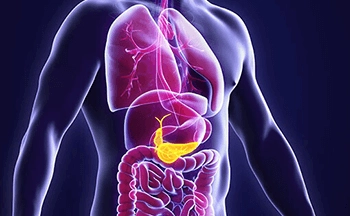
Pancreas is the organ which resides between our stomach and spine. From the moment we are born our pancreas is like a machine on autopilot, silently working, doing its job meal after meal, day after day! The pancreas is a specialist
2 Sep 2016
Enquire Now